Author: Abila

  • Google AI updates: Google Bard and its new features 2023

    Google AI updates: Google Bard and its new features 2023

    Google AI updates: Google Bard and its new features 2023

    Google unveiled Bard as competition to ChatGPT AI

    Within days of Baidu’s plans to roll out ChatGPT-style chatbots, Google unveiled Bard, Google Bard an interactive AI tool. The tool will compete with OpenAI’s ChatGPT, which has racked up a hundred million users in only months since it was launched for public testing. we are still determining what Bard can do, but this chatbot can be similar to Chat GPT from OpenAI in phrases of its competencies.

    What’s Google’s new AI Bard?

    Google AI updates: Bard and its new features 2023

    The Bard chatbot is Google’s artificial intelligence. The chatbot will work precisely like ChatGPT, allowing customers to speak with it. Google’s Language model for dialogue software (Language version for dialogue software or LaMDA) is the premise for the brand-new chatbot.

    The organization describes it as a lite version of LaMDA. according to Google CEO Sundar Pichai, Bard is being examined with the aid of only a few users. but, very soon Bard could be offered for public use as nicely.

    Google on Monday announced a synthetic intelligence chatbot technology called Bard that the employer will begin rolling out in the coming weeks. The assertion confirms CNBC’s earlier reporting. Bard will compete immediately with rival ChatGpt, an AI carrier created by way of OpenAI.
    Bard is powered with the aid of the organization’s massive language version LaMDA or Language model for communication programs. Google will open up the verbal exchange era to “depended on testers” beforehand of creating it greater broadly to be had to the general public, the enterprise said in a blog put up Monday.

    Last week, CNBC reported that Google is testing some of those functions with employees as part of a “code purple” plan to respond to ChatGPT, the famous chatbot subsidized in component via Microsoft. functions protected a chatbot known as “Apprentice Bard,” in addition to new seek computer designs that could be used in a query-and-solution layout.
    “quickly, you’ll see AI-powered features in seek that distil complex statistics and more than one perspective into smooth-to-digest codecs, so that you can quickly recognize the huge image and learn extra from the web: whether that’s searching out additional views, like blogs from those who play each piano and guitar, or going deeper on an associated topic, like steps to get started as a beginner,” wrote CEO Sundar Pichai.
    The agency gave an example of using Bard to simplify complicated subjects, like explaining new discoveries from NASA’s James Webb area Telescope to a nine-year-old.
    The product tests come after a current all-fingers assembly wherein employees raised worries about the organization’s aggressive part in AI, given the unexpected recognition of ChatGPT.
    When will Google Bard be made available?

    Bard has no doubt been given off to a difficult beginning thanks to that incorrect answer about the James Webb Space Telescope. Google is to this point only opened this as much as ‘trusted testers’. we’re guessing public trying out will take longer.

    What is LaMDA?

     Google AI updates: google Bard and its new features 2023

    LaMDA is “the language model” that humans are scared of. After a Google employee believed LaMDA turned into aware, AI became a topic of discussion because of the influence it gave off in its answers. similarly, the engineer hypothesized that LaMDA, like people, expresses its anxieties through verbal exchange.

    First and fundamental, it is a statistical approach for predicting the following phrases in a chain based totally on the preceding ones. LaMDA’s innovativeness lies in the truth that it could stimulate talk in a looser fashion than is permitted by using undertaking-based responses. so that the verbal exchange can go with the flow freely from one subject matter to any other, a conversational language version wishes to be familiar with concepts such as Multimodal consumer intent, reinforcement mastering, and pointers.

    How to use the Google Bard AI chatbot?

    in case you are selected as a beta tester, all you have to do to use the Google AI chatbot is open the Google app for your cellphone and the faucet at the chatbot icon. Like ChatGpt, input your set off and hit input! At that factor, you may start a communique by asking the chatbot questions or making requests. similarly, Google is actively trying to improve and decorate the chatbot’s abilities so that it will offer new and interesting methods of interacting with information.

    Google Bard AI use cases

    The Google AI chatbot has numerous ability makes use of that could simplify your existence and fill in understanding gaps. The followings are simply a number of the most anticipated ones:
    Get solutions: when you have a question, you can ask the chatbot, the way to use its sophisticated AI algorithms to generate a thoughtful and suitable reaction.
    discover facts with the same old engine: whether you’re looking for a weather document or the modern-day sports activities rankings, the Google Bard AI chatbot can help powered by way of the search engine.

    Automate duties: The chatbot is powered by means of Google AI and may take care of several activities routinely, including creating a restaurant reservation or booking a flight. Google turned into already locating them for you, with this new chatbot it’s also expected to have the ability to shop for them for you.
    Your private AI assistant: The Google Bard AI chatbot can assist you in dealing with your time and ensuring that you by no means omit an appointment or forget to complete a crucial step in a procedure.

    Social hub: The chatbot can also be characterized as a social hub, facilitating consumer conversations in each institution and one-on-one settings.
    “quickly, you’ll see AI-powered capabilities in search that distil complicated information and multiple perspectives into smooth-to-digest formats, so that you can quickly understand the large image and examine greater from the internet: whether that’s searching out additional perspectives, like blogs from those who play both piano and guitar, or going deeper on a related topic, like steps to get started as a newbie.”

    How to get the right of entry to Google Bard AI?

    presently, only some humans have the right of entry to the Google Bard AI hyperlink for try-out functions. To lessen the amount of time and electricity spent on computation, Google is growing a “lightweight version of LaMDA.”
    Google Bard AI chatbot, known as Bard, has but to be broadly available to be used. but, once the Google Bard AI hyperlink is shared, it will probably be integrated into Google Seek and may be accessed by asking questions through the quest bar.

    The chatbot attracts information from the web to provide up-to-date solutions to textual content prompts. at the same time as the precise release date of the Google Bard AI chatbot is still unsure, Sunder Pichai said on his Twitter account approximately its API utilization: it’s far designed to provide clean-to-digest solutions to complicated questions and can assist with tasks including making plans a baby bathe, comparing movies, and getting lunch thoughts.

    It isn’t always regarded if the chatbot might be available via different Google merchandise consisting of Google Assistant or Google Maps.

    Digital marketing and Google Bard connection:

    Digital marketing and Google are closely connected, as Google plays a significant role in the industry. Google’s search engine is the most widely used platform for finding information on the internet, and search engine optimization (SEO) is a critical part of digital marketing. Google AdWords, Google Analytics, and Google My Business are other tools that are commonly used in digital marketing. Additionally, Google’s brand is closely associated with trust, reliability, and quality, and businesses that have a strong presence on Google are more likely to succeed in digital marketing.


    Tags :
    Author : Dilshad

    Consectetur sollicitudin cubilia facilisis lobortis lacus a ac phasellus. Mus pulvinar enim suspendisse pharetra id commodo platea nunc aliquet.

    Learner of DigiSkillz, Digital Marketing Institute in Kochi.

  • A Practical Guide to Starting a Career in Digital Marketing

    A Practical Guide to Starting a Career in Digital Marketing

    A Practical Guide to Starting a Career in Digital Marketing

    The decision to Start a career in digital marketing is an excellent choice for anyone looking to enter a rapidly evolving and highly rewarding field. With the rise of the internet and social media, digital marketing has become an integral part of many businesses’ marketing strategies, making it an in-demand profession. In this dynamic industry, professionals need to be creative, adaptable, and constantly up-to-date with the latest trends and technologies. From search engine optimization to social media advertising, digital marketing offers a vast array of specializations, each with its own unique challenges and opportunities.

    The recent statistics have already proven the strength and reach of Digital Marketing in today’s economy and also anticipated the presence of an irresistible wave of Digital Marketing in the upcoming digital generations. Therefore, making up your mind about Digital Marketing is the most intelligent and promissory decision you could make for yourself and also for the entire economy. In the article, we dish out five tips, which are as easy as ABC to get into the career in the right way and to mark and retain a substantial presence in the industry as long as you stay here.


    1. Be a constant learner and un-learner

    There is more competition in the skill-driven industry than we can imagine and predict. Every day and every minute, new trends and styles sprout out and even many potential ideas may get washed out easily. An efficient Digital Marketer must be able to accept break-downs and willing to research and learn about new things that might interest your target audience.

    Continuing to learn new things means you are always required by the industry and you are marketing yourself to be an inevitable, evergreen trend in it. Therefore, updating yourself is the key to success in Digital Marketing Career. You must also be mindful to ignore the worn out which may cause the audience to become disillusioned towards your campaigns and strategies.

    Click here to learn more about the Digital Marketing syllabus

    start-a-career-in-digital-marketing

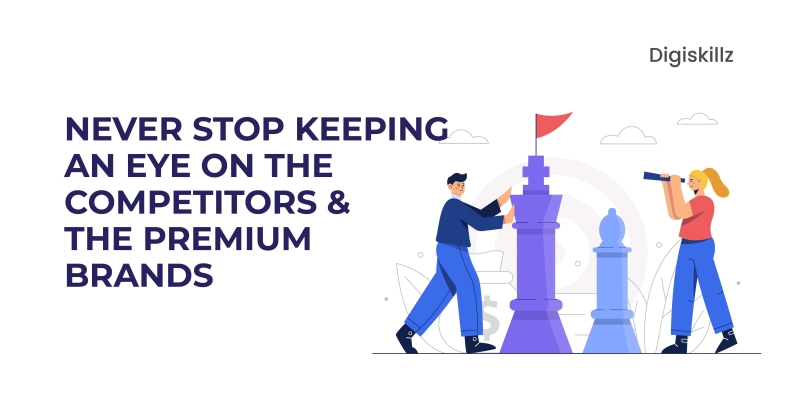
    2. Never stop keeping an eye on competitors and premium brands

    This is the bravest thing you can do to enhance your skills and anticipate the industry. Digital marketing is the most unpredictable arena of frequently changing tendencies and trends. Experts in the field would be capable of sharing their experiences which might build you as more capable and confident about facing the challenges and also foresee the difficulties and crisis situations that may come in the near future. So that, being the head of the department of Digital Marketing for a rising brand or agency, you won’t be confused or put into a dilemma when the circumstances call for a quick and effective action to thrive and succeed.

    3. Digital Marketing Careers

    This is the bravest thing you can do to enhance your skills and anticipate the industry. Digital marketing is the most unpredictable arena of frequently changing tendencies and trends. Experts in the field would be capable of sharing their experiences which might build you as more capable and confident about facing the challenges and also foresee the difficulties and crisis situations that may come in the near future. So that, being the head of the department of Digital Marketing for a rising brand or agency, you won’t be confused or put into a dilemma when the circumstances call for a quick and effective action to thrive and succeed.

    4.  creativity- A must to start a career in digital marketing

    This is the most crucial thing that makes a beginner entirely different from their peers and helps them to make a significant position in the industry. If you are energetic about keeping the theories aside and working on something really creative or innovative from your own side, that always makes a difference. In the brand-new world of Digital Marketing, nothing is new for longer. The industry always welcomes novelty and distinctiveness.

    Try to structure a different strategy by making use of all the fundamentals like SEOSMM, and Content, and run it in an interesting way. Being a beginner, your mistakes can be forgiven to a certain extent and you have no reputation or privilege to be taken care of. This means you have an entirely liberal workspace to play with your own ideas without fearing the success rate of the outcome.start-a-career-in-digital-marketing

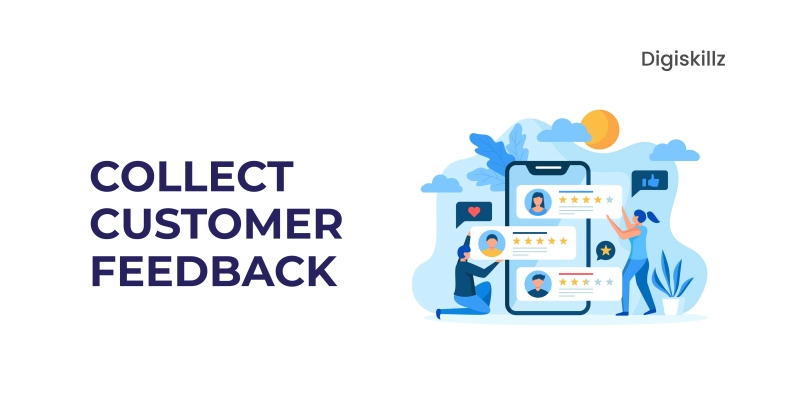
    5. Collect customer feedback

    Statistics collection is the best and easiest way through which you analyze your target audience and learn about their interests and requirements timely. You can also assist your brands by providing suggestions to improvise or upgrade their products or services to match what the customer demands.

    This tip is unquestionably time-consuming, but as mentioned earlier as a beginner your workspace can be much more liberal and the mistakes you commit can probably go for senior supervision also.

    You can also make use of email marketing technologies through which questionnaires and surveys become much more sophisticated, convenient, and time-saving. This will also help you understand the eternal or basic interest of your customer which will give you results for a long time thus the customer feedback process takes much less time than usual and it becomes a worthy investment that you do right at the beginning of your Digital Marketing career, which can possibly yield results for a lifetime.

    Tags :
    Author : Swetha

    Consectetur sollicitudin cubilia facilisis lobortis lacus a ac phasellus. Mus pulvinar enim suspendisse pharetra id commodo platea nunc aliquet.

    Learner of DigiSkillz, Digital Marketing Institute in Kochi.

  • Voice Search Optimization: The Future of SEO

    Voice Search Optimization: The Future of SEO

    Voice Search Optimization: The Future of SEO

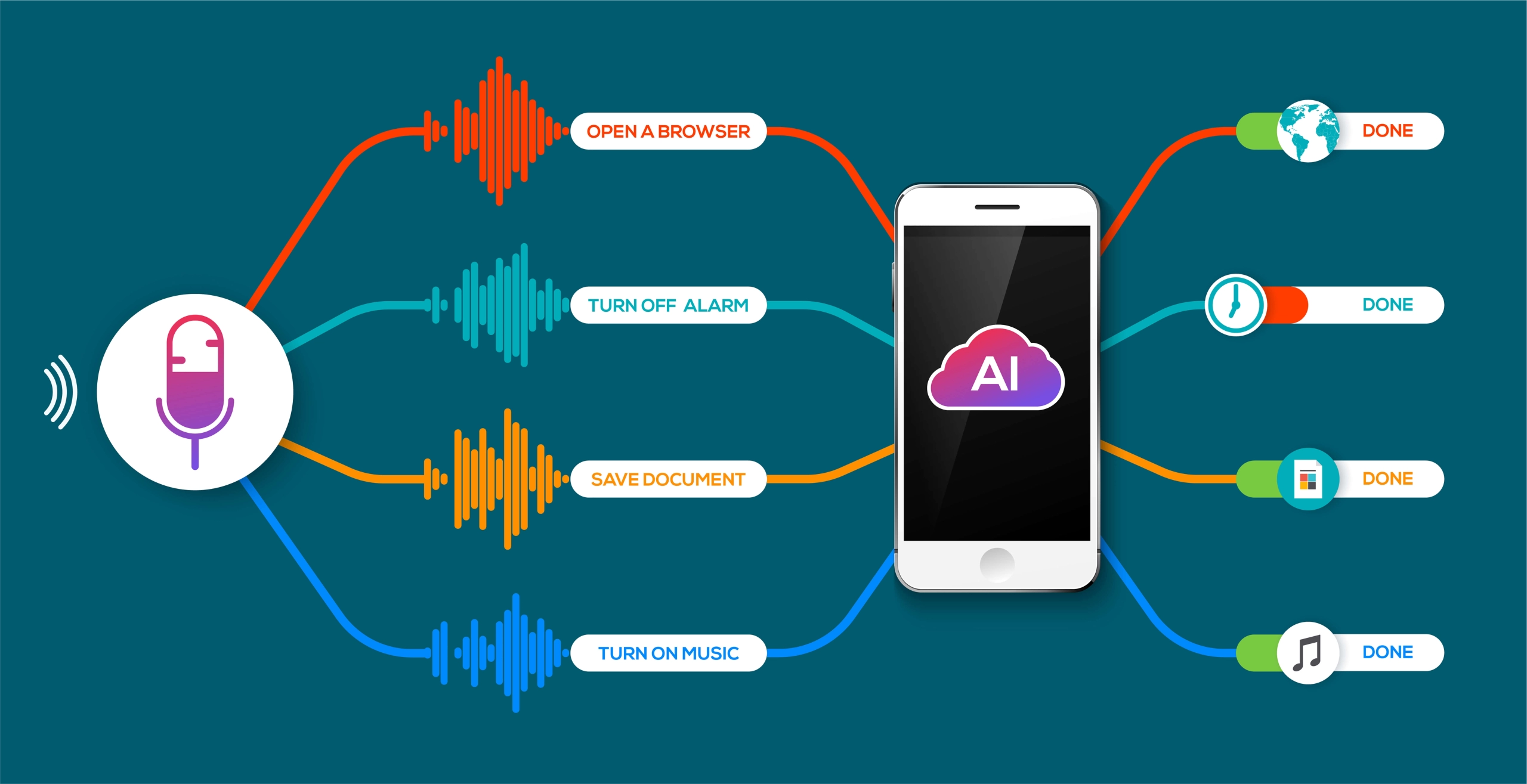
    The rise of voice search has been a game-changer in the world of SEO. With the increasing use of virtual assistants and smart speakers, people are using their voices to search for information online more than ever before.

    Digital marketing is a constantly evolving field that adapts to changing consumer needs and preferences. One of the latest trends in digital marketing is voice search optimization, which involves optimizing websites and online content to rank higher in search engine results specifically for voice-based queries.

    As voice assistants and smart speakers become increasingly popular, more and more people are using voice search to find information, products, and services.

    Voice search optimization is essential for businesses that want to stay ahead of the curve and reach their target audience effectively.

    Voice search optimization involves various techniques to enhance a website’s visibility and relevance in voice-based search queries. This includes optimizing content with natural language and long-tail keywords that match the conversational tone of voice searches.

    It also involves focusing on local SEO to capture voice searches that include location-specific queries.

    In addition to voice search optimization, digital marketers need to consider SEO (Search Engine Optimization) and SMM (Social Media Marketing) strategies to create a comprehensive digital marketing plan.

    SEO helps improve a website’s visibility in traditional text-based search results, while SMM focuses on leveraging social media platforms to engage with the target audience and promote products or services.

    When combined, voice search optimization, SEO, and SMM create a powerful digital marketing strategy that maximizes online visibility and drives targeted traffic to a website. By optimizing for voice search, businesses can capture the growing number of voice assistant users and provide them with relevant and valuable information.

    Furthermore, with the rise of voice-activated devices, such as smart speakers, voice search optimization becomes even more critical for businesses targeting a local audience.

    Users often use search to find nearby businesses or inquire about local services, making local SEO an integral part of digital marketing in voice search optimization.

    Voice-Search-Optimization-Digital-marketing-course-in-Thrissur

    Voice search allows users to ask questions and receive immediate answers, making it a quick and convenient way to access information. 

    Voice search is a technology that allows users to interact with devices using their voice. Popular virtual assistants like Siri, Google Assistant, and Alexa have made search a household phenomenon.

    In fact, according to a study by Comscore, it’s predicted that by 2022, more than 55% of households will have a smart speaker. 

    As the popularity of search continues to grow, it’s essential for businesses to optimize their online content for this new technology. By doing so, they can ensure that their content is discoverable by assistants, increase their visibility in search results, and ultimately drive more traffic to their website.

    I. Why Optimize for Voice Search?

    voice

    Voice search behaviour and user trends

    Advantages of optimizing for search

    The Impact of search on SEO

    To understand the importance of optimizing for search, it’s crucial to understand how people use it and its impact on SEO. According to Google, 55% of teens and 40% of adults use voice search daily. Additionally, searches tend to be longer and more conversational than text-based searches, which means that businesses need to adjust their SEO strategy to accommodate this trend.

    Optimizing for search has several advantages. First, it can improve your website’s visibility in search results. As search queries are usually longer, they provide more context and specificity.

    Using long-tail keywords and natural language, businesses can increase their chances of appearing in featured snippets and at the top of search results.

    Second, voice search can lead to more targeted traffic. As search continues to develop in popularity, corporations that optimize for it early on will have an aggressive gain over those that don’t.

    Finally, search can help businesses stay ahead of the curve. As search continues to grow in popularity, businesses that optimize for it early on will have a competitive advantage over those that don’t.

    II. How to Optimize for Voice Search

    To optimize for voice search, focus on using natural, conversational language and long-tail keywords that match how people speak. Structure content to directly answer common questions, use clear headings, and include FAQ sections. Improving website speed, mobile friendliness, and local SEO also helps, as voice searches are often made on mobile devices and for local information

    • Use conversational language.
    • Focus on long-tail keywords.
    • Optimize for featured snippets.
    • Optimize for local search.
    • Improve website speed.

    First, it’s essential to use conversational language. When optimizing for voice search, it’s important to keep in mind that people tend to use more conversational language when speaking than when typing. Therefore, using natural language in your content can help improve your chances of appearing in search results.

    Second, businesses should focus on long-tail keywords. As search queries tend to be longer and more specific, using long-tail keywords can help improve your visibility in search results. Additionally, long-tail keywords often have lower competition, making it easier for businesses to rank for them.

    Third, optimizing for featured snippets can help improve your chances of appearing in voice search results. Featured snippets are short snippets of information that appear at the top of search results.

    By providing concise and helpful answers to commonly asked questions, businesses can improve their chances of appearing in featured snippets and ultimately drive more traffic to their website.

    Fourth, optimizing for local search is crucial for businesses that want to attract local customers. Voice search users often ask questions like “Where is the nearest coffee shop?” or “What are the hours for the nearest grocery store?” By optimizing for neighbourhood search, groups can amplify their visibility in nearby search consequences and entice extra clients to their bodily locations.

    Finally, improving website speed is crucial for businesses that want to optimize for

    Why Optimize for Voice Search?

    Optimizing for search is becoming increasingly important as more and more people are using their to search for information online. Here are some reasons why businesses should consider optimizing their content for voice search:

    1. Voice search behaviour and user trends: According to a study by Google, 55% of teenagers and 40% of adults use search daily. In addition, searches tend to be longer and more conversational than text-based searches.
      This means that businesses need to adjust their SEO strategy to accommodate this trend.


    1. Advantages of optimizing for voice search: Optimizing for search can improve a business’s visibility in search results, lead to more targeted traffic, and help businesses stay ahead of the curve.
      By using conversational language and long-tail keywords, businesses can increase their chances of appearing in featured snippets and at the top of search results. This can ultimately result in higher engagement and conversion rates


    1. The impact of voice search on SEO: search is changing the way people search for information online. As search continues to grow in popularity, businesses that don’t optimize their content for this new technology may fall behind their competitors.
      Additionally, search can impact the way businesses approach SEO, as they need to focus on providing more conversational and natural language in their content, as well as optimizing for featured snippets and local search.

    How to Optimize for Voice Search

    Voice Search Optimization-digital marketing course in thrissur

    Now that we understand the importance of optimizing for voice search, let’s explore some ways businesses can do so:


    1. Use conversational language: As mentioned earlier, searches tend to be more conversational in nature. This means that businesses should focus on using natural language in their content that matches the way people speak.
      This way, businesses can increase their chances of appearing in search results.


    1. Focus on long-tail keywords, as searches tend to be longer and more specific than text-based searches. This means that businesses should focus on using long-tail keywords in their content that match the way people speak. By using more specific phrases, businesses can increase their chances of appearing in search results.


    1. Optimize for featured snippets: Featured snippets are short snippets of text that appear at the top of search results. They are often used in search results to provide quick answers to user queries. By optimizing for featured snippets, businesses can increase their chances of appearing in search results.


    1. Optimize for local search: search is often used for local searches, such as finding nearby restaurants or stores. This means that businesses should optimize their content for local search by including location-based keywords and information, such as business hours, addresses, and phone numbers.


    1. Improve website speed: Website speed is a key factor in SEO and can impact a business’s visibility in search results. With voice search, users expect quick answers to their queries, and slow-loading websites can negatively impact the user experience.
      By improving website speed, businesses can provide a better user experience and increase their chances of appearing in search results.

    In conclusion, optimizing for voice search is becoming increasingly important in today’s digital landscape. By using conversational language, focusing on long-tail keywords,

    optimizing for featured snippets and local search, and improving website speed, businesses can increase their visibility in search results and stay ahead of the curve in the future of SEO.

    Additional Tips for Voice Search Optimization

    Voice-Search-Optimization-Digital-marketing-course-in-Thrissur

    In addition to the previously mentioned tips, here are some additional tips for businesses to consider when optimizing for voice search:

    Use schema markup: Schema markup is a type of structured data that helps search engines better understand the content on a website. By using schema markup, businesses can improve their chances of appearing in voice search results by providing more context and information to search engines.

    Create FAQ pages: Frequently asked questions (FAQ) pages can help businesses rank for search queries by providing answers to common questions in a conversational tone.

    By organizing information in an easy-to-read format, businesses can make it easier for search engines to crawl and understand their content.

    Natural language processing (NLP) is a revolutionary branch of artificial intelligence that enables machines to comprehend, interpret, and generate human language, including its nuances, idioms, and complexities.

    By leveraging advanced algorithms and linguistic models, NLP empowers computers to communicate with humans in a more natural and intuitive way, revolutionizing the way we interact with technology and making it more accessible to a wider audience.

    From chatbots and assistants to sentiment analysis and machine translation, NLP has endless applications that are transforming the way we live, work, and communicate.

    By using NLP in content creation, businesses can optimize their content for search by using natural language that matches the way people speak.

    Optimize for mobile: Mobile optimization is crucial for search as many searches are done on mobile devices. By ensuring that websites are mobile-friendly and have a fast loading speed, businesses can provide a better user experience and increase their chances of appearing in search results.


    Monitor results: As with any SEO strategy, it’s important to monitor the results of search optimization efforts. By analyzing data and making adjustments as needed, businesses can improve their visibility in voice search results.

    Create content that answers specific questions:  search queries tend to be more specific than text-based searches. By creating content that answers specific questions, businesses can increase their chances of appearing in search results and provide users with valuable information.

    Consider using voice search advertising: search advertising is a relatively new area of digital marketing, but it can be a powerful way to reach users who are actively using voice search. By creating search ads that are conversational and provide value to users, businesses can increase their visibility in search results.

    Don’t forget about traditional SEO: While search is becoming increasingly important, businesses should not forget about traditional SEO.

    By using a comprehensive SEO strategy that includes both text-based and based searches, businesses can improve their overall visibility and reach more potential customers.

    Conclusion

    In conclusion,  search is becoming an increasingly popular way for users to search for information online, and optimizing for voice search should be an important part of any business’s SEO strategy.

    By using conversational language, focusing on long-tail keywords, optimizing for featured snippets and local search, and improving website speed, businesses can increase their chances of appearing in  search results.

    Additional tips for  search optimization include using schema markup, creating FAQ pages, using natural language processing, optimizing for mobile, monitoring results, creating content that answers specific questions, and considering search advertising.

    Ultimately, businesses that prioritize voice search optimization will be better positioned to capture the growing number of users who rely on voice search to find information online.

    By staying up-to-date on the latest trends and best practices for voice search optimization, businesses can stay ahead of the curve and improve their overall SEO strategy.

    The future of SEO is undoubtedly search, and businesses that adapt now will be better positioned to succeed in the years to come.

    Tags :
    Author : Fathah

    Consectetur sollicitudin cubilia facilisis lobortis lacus a ac phasellus. Mus pulvinar enim suspendisse pharetra id commodo platea nunc aliquet.

    Learner of DigiSkillz, Digital Marketing Institute in Kochi.

  • Introduction to meta business suite and how it works

    Introduction to meta business suite and how it works

    Introduction to meta business suite and how it works

    To thrive in social media marketing, staying ahead of the curve is essential. One game-changing trend is the use of the Meta Business Suite. But what exactly is it, and how can it elevate your social media strategies? Let’s break it down in simple terms.


    Analyzing the Meta Business Suite


    meta business suite

    First, what exactly is the Meta Business Suite? Think of it as your brand’s signature style in the digital world. It’s not just about having a brand—it’s about the identity and presence you project across social media platforms.

    In simple terms, just like a perfectly tailored suit reflects a person’s style and character, the Meta Business Suite showcases your brand’s personality, values, and goals. It’s the visual expression of your brand’s identity online.

    The power of social media marketing

    Now, you might wonder, how does a Meta Business Suite improve your social media marketing efforts? https://digibackup.conseltex.com/social-media-marketing-for-business/

    1. Consistent Brand Image

    Just like a signature look, your Meta Business Suite keeps your brand’s appearance uniform across all social media platforms. This consistency makes it easier for your audience to recognize and remember your brand.

    2. Professionalism and Trust
    A well-crafted Meta Business Suite adds professionalism to your online presence. It signals to your audience that your brand is reliable and trustworthy—an essential quality in the crowded world of social media.

    3. Storytelling Through Design

    Your Meta Business Suite is more than visuals—it tells your brand’s story. Colors, logos, and design elements work together to communicate your narrative, helping your audience connect with your brand on a deeper level.

    4. Stand Out in the Feed

    Social media is a busy space, and your Meta Business Suite acts as a unique signature for your content. It helps your posts grab attention and stand out amid the endless scroll.

    5. Adaptability and Recognition

    Just like a versatile outfit fits different occasions, your Meta Business Suite can be tailored for various campaigns. This flexibility ensures your brand stays recognizable and relevant across all types of content.

    How to Create Your Meta Business Suite

    meta business suite

    Now that we’ve highlighted the benefits, let’s talk about how to create your own Meta Business Suite:

    1. Define Your Brand Elements

    Start by identifying the key components that represent your brand—colors, logos, fonts, and any unique visual elements. These will form the foundation of your Meta Business Suite.

    2. Consistency is Key

    Make sure your Meta Business Suite stays consistent across all social media platforms. Consistency not only builds trust but also makes your brand instantly recognizable.

    3. Tell Your Story

    Use your Meta Business Suite to showcase your brand’s story. Highlight your values, what sets you apart, and the unique personality of your brand. Let these elements guide your design choices.

    4. Test and Refine

    Just like a signature look evolves over time, your Meta Business Suite should too. Gather feedback, monitor performance, and make improvements to keep it fresh and effective.

    Setting the Stage
    Before diving into the Meta Business Suite, it’s important to understand the current social media landscape. Social media has become a core part of daily life, and businesses rely on these platforms to engage with their audiences. Yet with growing competition and constantly changing algorithms, standing out in the crowded social space is more challenging than ever.


     What is the Meta Business Suite?

    meta business suite


    The Meta Business Suite isn’t just a regular suit—it’s a metaphorical ensemble of strategies, tools, and approaches that businesses use to elevate their social media presence. It goes beyond the basics, promoting a holistic and strategic approach to social media marketing.

    1. The Tailored Strategy
    Just like a perfectly fitted suit, the Meta Business Suite highlights the importance of a customized social media strategy. Businesses are now tailoring their approach based on their audience, industry, and the unique personality of their brand. It’s about understanding what works best and crafting a strategy that aligns perfectly with your goals.

    2. Visual Appeal
    In social media, visuals are everything. The Meta Business Suite encourages businesses to focus on high-quality images, engaging graphics, and videos that connect with their target audience. After all, a well-styled social media feed is far more likely to grab attention.

    3. The Social Persona
    Much like an individual’s personal style, businesses are shaping their unique social persona. This involves defining the brand’s voice, values, and personality online. Whether it’s playful and friendly or professional and authoritative, the social persona adds character and depth to the brand’s presence.

    Meta Business Suite on Social Media Platforms

    meta business suite


    Now that we’ve grasped the essence of the Meta Business Suite, let’s explore how it fits into different social media platforms – the runways of the digital world.

    1. Facebook: The Versatile Ensemble
    On Facebook, the Meta Business Suite shines through its versatility. Businesses combine engaging posts, eye-catching visuals, and targeted ads to connect with their audience. A tailored strategy helps optimize content based on audience behavior and preferences, making every interaction more effective..https://blog.hubspot.com/marketing/facebook-business-manager

    2. Instagram: Visual Elegance
    Instagram is where the visual side of the Meta Business Suite truly comes to life. From stunning photos to captivating Stories, businesses create a cohesive and visually appealing feed. The goal is to attract followers while telling a compelling brand story through every post.

    3. Twitter: The Social Persona in 280 Characters
    Twitter highlights the brand’s social persona. In just 280 characters, businesses communicate their personality, share timely updates, and engage in real-time conversations. The key here is to be concise, authentic, and relevant.

    4. LinkedIn: Professional Attire
    LinkedIn is the networking event of social media, and the Meta Business Suite is the perfect professional outfit. Businesses showcase expertise through thought leadership articles, updates, and meaningful engagement with industry peers.


    Introducing the Tools in the Meta Business Suite

    To make the most of the Meta Business Suite, businesses need the right tools. Think of these as accessories that complement your look and boost the impact of your social media strategy.

    1. Analytics: The Tailor’s Tape Measure
    Analytics tools are like a tailor’s measuring tape. They help businesses track engagement, monitor conversions, and assess performance. These insights guide ongoing adjustments, ensuring your strategy fits perfectly.

    2. Scheduling Tools: The Wardrobe Organizer
    In the fast-paced world of social media, scheduling tools act like a wardrobe organizer. They allow businesses to plan and schedule posts ahead of time, maintaining a consistent and well-managed presence without the stress of last-minute posting.

     Introducing the Tools in the Meta Business Suite


    To truly embrace the Meta Business Suite, businesses need the right tools in their collection. These tools are like accessories that complement the overall look and enhance the impact of the social media strategy.

    1. Analytics: The Tailor’s Tape Measure

    Analytics tools are the tailor’s tape measure in the Meta Business Suite toolkit. Businesses use analytics to measure the performance of their social media efforts. From tracking engagement metrics to monitoring conversion rates, analytics provide valuable insights that guide ongoing adjustments to the strategy.

    2. Scheduling Tools: The Wardrobe Organizer

    In the busy world of social media, scheduling tools act as the wardrobe organizer. These tools allow businesses to plan and schedule their posts in advance. This ensures a consistent and well-managed presence on social media without the need.

     Benefits of meta business suite

    meta business suite

    The benefits of the Meta Business Suite can vary depending on its features and functionalities. Here are some potential advantages:

    • Enhanced Productivity: By integrating advanced tools and automating repetitive tasks, the suite can streamline workflows and boost overall efficiency.

    • Data Analytics: With built-in analytics, businesses can gain valuable insights, enabling smarter, data-driven decisions.

    • Collaboration: Features that support communication and teamwork make it easier for teams to collaborate, especially when integrated with other business tools.

    • Flexibility and Adaptability: A versatile suite can adjust to evolving business needs and technological changes, helping organizations stay competitive.

    • Improved Customer Experience: Customer-focused tools can enhance service, satisfaction, and loyalty.

    • Security: Advanced security measures protect sensitive business data from cyber threats and unauthorized access.

    • Cost Savings: Automation and efficiency improvements can reduce time and resource costs.

    • Competitive Advantage: Early adoption of innovative solutions can give businesses an edge in the market.

    • Scalability: The suite can grow with the business, accommodating increasing demands and complexity.

    • Customization: Tailored features allow the suite to meet the specific needs and workflows of different industries.

    Ultimately, the exact benefits depend on how the Meta Business Suite is designed, implemented, and utilized. For the latest features and updates, it’s always a good idea to check recent sources or product announcements.

     Conclusion

    The Meta Business Suite is not just a trend; it’s a strategic approach to social media marketing. By crafting a visual identity that speaks to your audience, you’re not only keeping up with the times but also setting the stage for lasting connections with your followers. So, suit up, embrace your brand’s unique style, and get ready to soar to new heights in the world of social media marketing.

    Tags :
    Author : Dilshana

    Consectetur sollicitudin cubilia facilisis lobortis lacus a ac phasellus. Mus pulvinar enim suspendisse pharetra id commodo platea nunc aliquet.

    Learner of DigiSkillz, Digital Marketing Institute in Kochi.

  • The Battle of Strategies: Digital Marketing vs Traditional Marketing

    The Battle of Strategies: Digital Marketing vs Traditional Marketing

    The Battle of Strategies: Digital Marketing vs Traditional Marketing

    In the rapidly evolving landscape of business, one of the most critical decisions that companies face is choosing the right marketing strategy. The debate between Digital Marketing and Traditional Marketing has become increasingly relevant as businesses strive to maximize their reach, engagement, and return on investment (ROI). Understanding the nuances of both approaches is essential for making informed decisions that align with your business goals. This blog will delve into the key differences, advantages, and considerations when it comes to digital Marketing vs traditional Marketing.

    The Foundation of Traditional Marketing

    The Battle of Strategies

    This approach includes various methods such as television and radio commercials, print advertisements in newspapers and magazines, billboards, direct mail, and telemarketing. These techniques have proven effective in reaching a broad audience, particularly in a local context.

    In the battle of digital marketing vs traditional marketing, traditional methods offer the advantage of tangibility. A physical billboard or a printed brochure provides a sensory experience that digital formats can’t replicate. Moreover, traditional marketing often holds a sense of credibility and trustworthiness, especially among older demographics who are more familiar with these channels.

    However, traditional marketing has its limitations. One of the most significant challenges is the lack of precise targeting. A TV ad, for example, is broadcast to a wide audience, but it’s difficult to ensure that it reaches the specific demographic that might be interested in your product or service. Additionally, measuring the effectiveness of traditional marketing campaigns can be challenging, as there are fewer tools available to track engagement and conversions.

    The Rise of Digital Marketing

    The Battle of Strategies

    On the other side of the Digital Marketing vs Traditional Marketing, debate is digital marketing—a modern approach that leverages the internet and digital platforms to reach and engage with customers. Digital marketing includes strategies such as search engine optimization (SEO), social media marketing, content marketing, email marketing, and pay-per-click (PPC) advertising.

    The strength of digital marketing lies in its precision and measurability. In the context of Digital Marketing vs Traditional Marketing, digital marketing allows businesses to target specific audiences based on factors like age, location, interests, and online behavior. For instance, a social media ad can be designed to reach a niche group of users who have shown interest in similar products or services.

    Furthermore, digital marketing offers unparalleled data and analytics. Every click, view, and interaction can be tracked in real-time, providing businesses with valuable insights into the performance of their campaigns.

    Despite its many advantages, digital marketing also has its challenges. The digital space is crowded and highly competitive, making it essential for businesses to stand out with compelling content and creative strategies. Additionally, digital marketing requires a continuous investment in time and resources to keep up with changing algorithms, trends, and technologies.

    Comparing Reach: Digital Marketing vs Traditional Marketing

    The Battle of Strategies

    When evaluating Digital Marketing vs Traditional Marketing, reach is a crucial factor to consider. Traditional marketing methods, such as TV ads or billboards, can reach a vast audience quickly. A national TV commercial, for example, has the potential to be seen by millions of people, making it an effective tool for building brand awareness.

    However, in the Digital Marketing vs Traditional Marketing debate, digital marketing offers a more targeted approach. Instead of broadcasting a message to a general audience, digital marketing allows businesses to tailor their campaigns to specific groups. For example, an online retailer can use digital marketing to target ads to users who have previously visited their website or searched for similar products. This targeted reach increases the likelihood of conversion and ensures that marketing efforts are focused on the most relevant audiences.

    Cost and ROI: Digital Marketing vs Traditional Marketing

    The Battle of Strategies

    Cost is another important consideration in the Digital Marketing vs Traditional Marketing discussion. Traditional marketing methods can be expensive, particularly for small businesses. The cost of producing a TV commercial, printing brochures, or placing a full-page ad in a magazine can add up quickly. Moreover, the ROI for traditional marketing is often harder to measure, making it challenging to justify the investment.

    In contrast, digital marketing is generally more cost-effective, especially for businesses with limited budgets. In the digital marketing vs traditional marketing comparison, digital marketing allows for more control over spending. For example, businesses can set daily budgets for PPC campaigns, ensuring that they don’t exceed their marketing budget. Additionally, the ability to track ROI in real time means that businesses can quickly adjust their strategies to maximize results.

    Flexibility and Adaptability: Digital Marketing vs Traditional Marketing

    The Battle of Strategies

    Flexibility is another area where digital marketing has a significant advantage in the Digital Marketing vs Traditional Marketing battle. Traditional marketing campaigns often require a long lead time and are difficult to change once they are in motion. For example, if a print ad is found to be ineffective, there is little that can be done to alter it until the next issue is printed.

    On the other hand, digital marketing campaigns can be adjusted on the fly. If a social media ad isn’t performing as expected, businesses can tweak the content, change the targeting, or shift the budget to another campaign. This adaptability is a crucial advantage in today’s fast-paced market, where consumer preferences and trends can change rapidly.

    Measuring Success: Digital Marketing vs Traditional Marketing

    The Battle of Strategies

    The ability to measure success is a critical factor in the Digital Marketing vs Traditional Marketing discussion. Traditional marketing relies on indirect metrics such as increased foot traffic or sales, which can make it difficult to attribute results to specific campaigns. This lack of transparency can be a drawback for businesses looking to fine-tune their strategies.

    In contrast, digital marketing excels in providing detailed analytics. We can track them using many key metrics. The Digital Marketing vs Traditional Marketing debate often highlights that digital marketing platforms offer comprehensive data on user interactions, from website visits to social media engagement and email open rates. This data-driven approach allows businesses to make informed decisions, continually improve their strategies, and ultimately achieve better results.

    The Verdict: Digital Marketing vs Traditional Marketing

    The Battle of Strategies

    So, which strategy wins in the Digital Marketing vs Traditional Marketing battle? The answer depends on your business’s goals, target audience, and resources. For some businesses, traditional marketing methods may still hold significant value, particularly for reaching a local or older demographic. However, for those looking to engage a tech-savvy, global audience with precision and flexibility, digital marketing is likely the better choice.

    In many cases, the most effective strategy may be a combination of both. By understanding the strengths and weaknesses of Digital Marketing vs Traditional Marketing, businesses can create a balanced approach that leverages the best of both worlds. Whether you choose to invest in traditional methods, digital strategies, or a mix of both, the key is to remain adaptable and focused on what drives the best results for your business.

    Conclusion

    The battle between Digital Marketing and Traditional Marketing is ongoing, with each approach offering unique benefits and challenges. Ultimately, the choice between these strategies depends on your business’s specific needs and objectives. By carefully considering the differences and advantages of Digital Marketing vs Traditional Marketing, you can make informed decisions that will help your business thrive in a competitive marketplace.

    Tags :
    Author : Amalnath Unni

    Consectetur sollicitudin cubilia facilisis lobortis lacus a ac phasellus. Mus pulvinar enim suspendisse pharetra id commodo platea nunc aliquet.

    Learner of DigiSkillz, Digital Marketing Institute in Kochi.

  • Why Blog Submission Matters: Top 10 Free Sites You Should Use

    Why Blog Submission Matters: Top 10 Free Sites You Should Use

    Why Blog Submission Matters: Top 10 Free Sites You Should Use

    Blogging is an essential factor in the off-page optimization process. Regularly publishing informative, insightful, and relevant blog posts can attract and engage your target audience, keeping them informed and entertained while establishing your website as a valuable resource. Here we discuss the top 10 free blog submission sites.

    Additionally, blogging contributes to improved Search Engine Optimization (SEO) by providing fresh and keyword-rich content, which helps drive organic traffic to your site and improve your search rankings.

    Blogs also facilitate social media sharing, enabling you to expand your reach and amplify your brand’s message across various platforms. Furthermore, blogging allows you to demonstrate your expertise, build credibility, and foster trust with your audience, leading to increased conversions and customer loyalty.

    In essence, blogging enhances your website’s visibility, authority, and overall online presence, making it an essential component of a successful digital strategy.


    free blog submission sites


    These sites offer valuable opportunities to gain high Domain Authority (DA), Page Authority (PA), and Do-Follow backlinks. Using these platforms, you can effectively promote your blogs and business websites, reaching a wider audience and enhancing your online visibility.

    With the potential for increased traffic and improved search engine rankings, free blog submission sites are valuable tools for amplifying your online presence and driving success in the digital realm.

    What is Blog Submission?


    free blog submission sites


    Blog submission refers to the process of submitting your blog posts or articles to external websites or blog directories for publication. It involves sharing your content with other platforms to reach a wider audience and gain exposure beyond your blog or website.

    Blog submission can be done on various platforms that accept guest posts or contributions, such as blog directories, industry-specific websites, or popular blogging platforms.

    Submitting your blog to high domain authority (DA) blog submission sites is a valuable strategy to increase the visibility of your blog to a wide audience. These platforms are powerful promotional tools, requiring you to provide essential information about your blog and submit it for publication. You can enhance your blog’s search engine ranking and overall performance by leveraging these sites. 


    Advantages of Blog Submission


    free blog submission sites


    Blog submission offers several advantages that can contribute to the growth and success of your blog. Here are some key advantages:

    1. Increased Visibility: Submitting your blog to external platforms exposes your content to a broader audience beyond your blog. It helps you reach new readers who may have yet to discover your blog.
    2. Expanded Reach: Blog submission allows you to tap into the existing readership and user base of the platform where you submit your blog. This enables you to extend your reach and connect with a larger community of like-minded individuals.
    3. Enhanced Backlink Opportunities: Many blog submission sites allow you to include a backlink to your blog within the published content. This creates valuable backlinks that can improve your search engine rankings and increase organic traffic to your blog.
    4. Establishing Authority: By contributing high-quality content to reputable and relevant platforms, you can position yourself as an authority in your niche. This builds credibility and trust among readers, helping to establish your blog as a reliable source of information.
    5. Networking and Collaboration: Blog submission opens doors to networking and collaboration opportunities with other bloggers, industry influencers, and potential partners. It enables you to engage with a wider community, exchange ideas, and build mutually beneficial relationships.
    6. SEO Benefits: Blog submission can positively impact your search engine optimization efforts. By gaining backlinks from authoritative sites, you enhance your blog’s overall SEO profile, potentially leading to higher search engine rankings and increased organic traffic.


    Free Blog Submission Sites


    These sites offer a great opportunity to acquire backlinks and drive targeted traffic to your website. Here is a list of these valuable platforms:

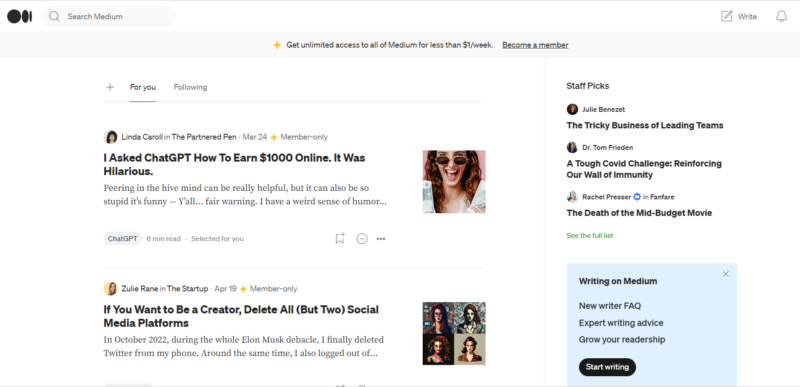
      Medium  (DA 95)


    free blog submission sites


    Medium is a popular and widely used free blog submission site that has gained significant traction among writers, journalists, and bloggers. Launched in 2012, Medium provides a platform for individuals to share their thoughts, stories, and expertise with a global audience.


    Articlebiz (DA 44)


    free blog submission sites

    Article Biz provides a valuable opportunity for content creators to connect with readers and expand their online presence. This website has good domain authority.


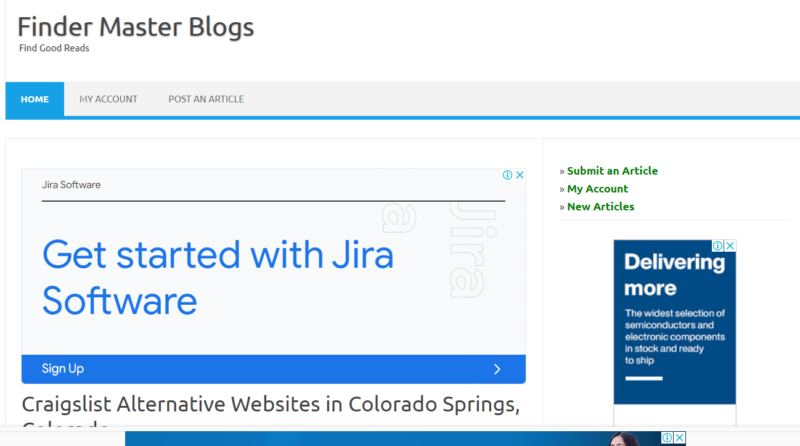
    Finder Master (DA 24)


    free blog submission sites


    The site allows you to include links back to your blog, which can help improve your website’s SEO and generate traffic. Finder Master also offers categories and tags to categorize your blog, making it easier for readers to discover your content.


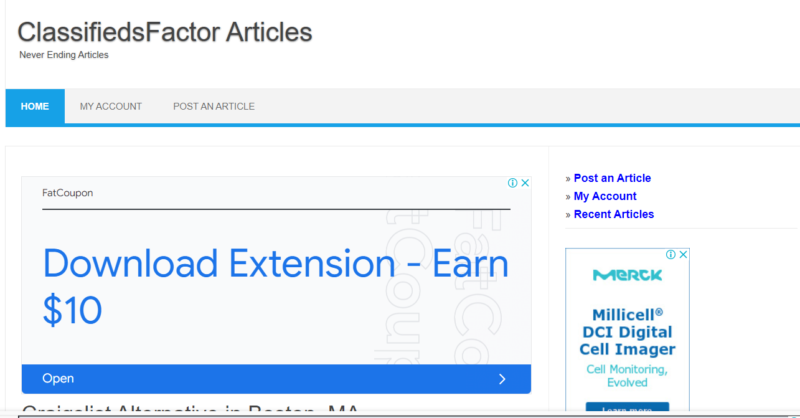
    Classifieds Factor (DA 21)


    free blog submission sites


    It is also a blog submission site with a DA score of 21. This helps to give your website more exposure plus gets more traffic toward your site/blog.


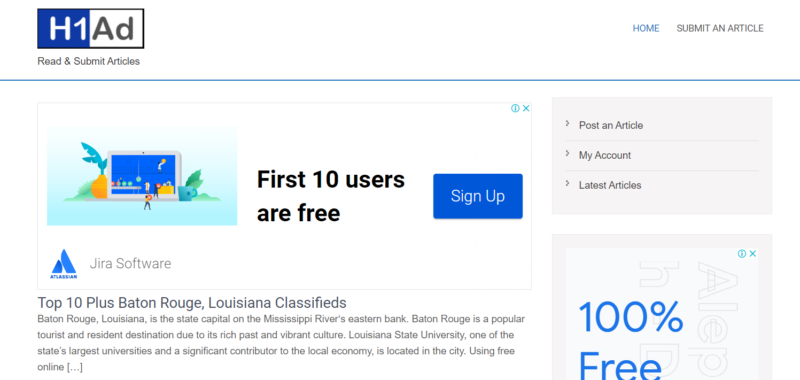
    H1 Ad  (DA 21)


    free blog submission sites


    When it comes to finding a free blog submission site, H1 Ad stands out as one of the top choices. Its  DA is 21.


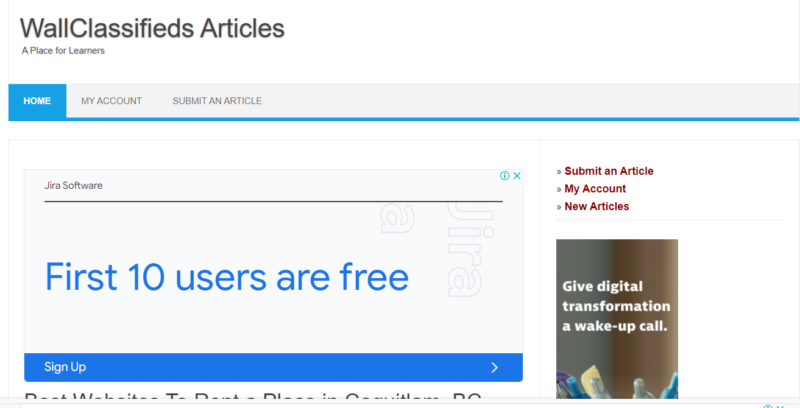
    Wall Classifieds (DA 22)


    free blog submission sites


    This is also the best free blog submission site with a DA of 22. You can submit your blog on this site for free.


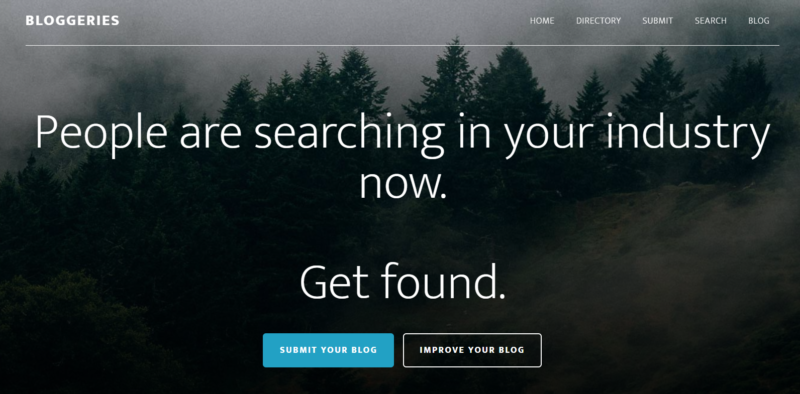
    Bloggerie (DA 38)


    free blog submission sites


    If you’re seeking a platform that offers a diverse range of blog categories for both reading and posting, look no further than this website. It provides an extensive selection of categories and offers various features such as category listing, blog listing, homepage promotion, and Bloggeries blog promotion. By submitting your blog to this website, you can expand your reach and enhance your blog’s performance.


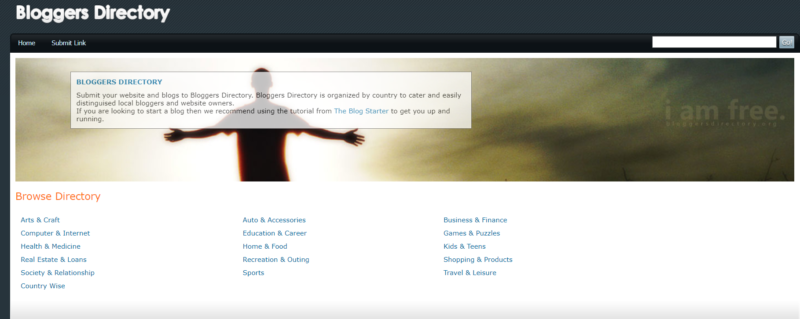
     Bloggers Directory (DA 12)


    free blog submission sites


    With an impressive array of 16 categories, this website caters to a wide range of user interests. By submitting your link to this platform, you can trust that it will be effectively shared with the appropriate audience.

    As a reader, you can explore the website’s categories, browse articles, and verify that you’ve found the ideal destination for your interests. Additionally, you have the option to check their listing success and page ranks for further assurance.


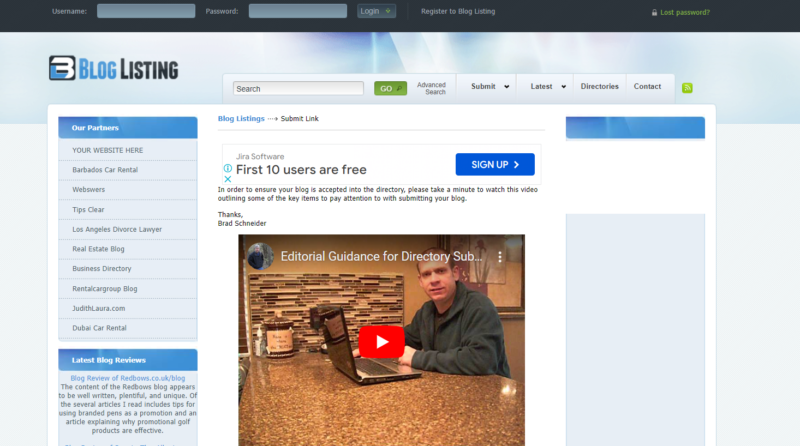
    Blog Listing (DA 39)


    free blog submission sites


    When it comes to free blog posting websites, it’s hard to find many that can match the quality and benefits offered by this particular platform. They go the extra mile by providing a helpful video guide for writers, offering valuable tips to ensure their blogs get listed in the website’s directory.

     If your content aligns with topics like real estate, business, or others mentioned on their website, it’s highly recommended to submit your work and strive to have it published there. Doing so can significantly expand your reach and help you connect with a broader audience.

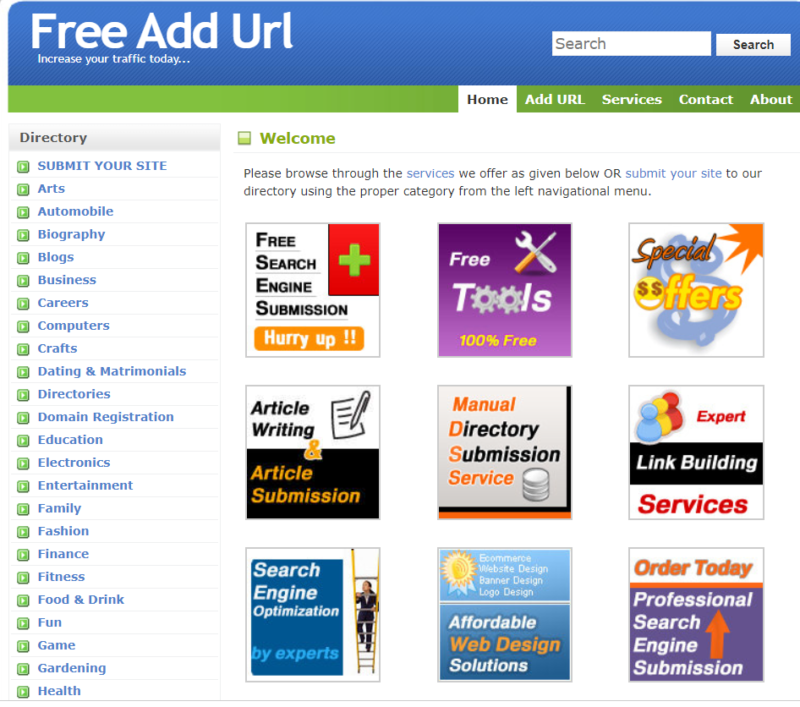
    Free Add Url (DA 23)


    free blog submission sites


    or those seeking a professional and visually appealing free blog submission website, Free Add Url is definitely worth exploring. With a well-organized layout featuring 20 headings, the site provides a seamless user experience. Additionally, they offer a range of tools designed to help users boost website traffic. 

    The platform presents both free and paid options, giving you flexibility in choosing the best fit for your needs. A satisfied customer review further highlights the effectiveness of this website in driving traffic. While it may not be the absolute top contender, Free Add Url certainly ranks among the best options on the list.


    Disadvantages of Blog submission sites

    While blog submission sites offer numerous advantages for writers and content creators, it’s important to consider their potential disadvantages as well. Here are a few drawbacks associated with blog submission sites:

    1. Quality Control Challenges: Many blog submission sites have minimal or no editorial review processes. As a result, the quality of content on these platforms can vary significantly. It may be challenging to find high-quality articles among the vast quantity of submissions.
    2. Duplicate Content: Blog submission sites often allow multiple websites to publish the same article. This can lead to issues with duplicate content, which can negatively impact search engine rankings and dilute the visibility and uniqueness of your content.
    3. Limited Control over Branding and Design: When using blog submission sites, you typically have limited control over the branding and design of your content. Your article may appear alongside other content, making it challenging to create a consistent brand experience for your readers.
    4. Potential for Spam and Irrelevant Content: Some blog submission sites attract spammers and individuals who submit irrelevant or low-quality content. This can reduce the overall credibility and trustworthiness of the platform and make it harder for users to find valuable and relevant articles.


    free blog submission sites


    1. Lack of Direct Engagement with Readers: Blog submission sites often prioritize the number of published articles rather than fostering direct engagement between authors and readers. This can limit your ability to build a direct relationship with your audience and receive feedback or comments on your content.
    2. Dependency on Third-Party Platforms: Relying solely on blog submission sites for publishing can make you dependent on their platform and policies. If the site changes its terms or shuts down, it may disrupt your content strategy and require you to find alternative publishing channels.
    3. Limited Monetization Opportunities: Some blog submission sites may not offer robust monetization options or revenue-sharing programs. If you rely on monetizing your content, you may need to explore other avenues, such as running your own blog or partnering with platforms that offer better monetization opportunities.


    Conclusion

    In conclusion, the top 10 free blog submission sites offer valuable opportunities for writers and content creators to expand their reach and connect with a wider audience. Each platform has its unique features, benefits, and limitations. It’s crucial to consider your specific goals, target audience, and content niche when selecting the most suitable blog submission sites for your needs. 

    Tags :
    Author : Nishni

    Consectetur sollicitudin cubilia facilisis lobortis lacus a ac phasellus. Mus pulvinar enim suspendisse pharetra id commodo platea nunc aliquet.

    Learner of DigiSkillz, Digital Marketing Institute in Kochi.

  • Customer Engagement Metrics: The Complete & Essential Guide for Digital Marketers in 2026

    Customer Engagement Metrics: The Complete & Essential Guide for Digital Marketers in 2026

    In today’s digital-first world, where consumers are constantly connected and empowered with endless choices, simply reaching your target audience is no longer a guarantee of success. It’s no longer about how many people see your message—it’s about how many truly connect with it. Engagement has become the new benchmark for brand success, and understanding customer engagement metrics is critical for achieving it. Whether it’s through clicks, likes, shares, comments, or time spent on a website, customer engagement metrics reflect the level of interest, attention, and emotional connection customers have with your brand. These metrics go beyond surface-level interactions—they provide actionable insights into what your audience values, how they behave, and which of your marketing efforts are most effective.

    The importance of customer engagement metrics has grown exponentially as brands seek to move beyond vanity numbers and focus on meaningful interactions. These metrics are essential tools for evaluating performance, refining strategies, and ensuring that every piece of content, campaign, or communication delivers real value while encouraging genuine engagement. By tracking customer engagement metrics, marketers can identify which messages resonate most, which channels perform best, and how to optimize campaigns to achieve higher retention, loyalty, and conversions.

    Importantly, understanding customer engagement metrics isn’t reserved for large corporations with massive marketing budgets. Freelancers, small business owners, and digital marketing professionals alike can benefit from leveraging these insights. Whether you are running a personal brand on social media, managing an eCommerce store, or creating content for a local business, customer engagement metrics help you make smarter, data-driven decisions. They guide you toward content that resonates with your audience, platforms that deliver results, and strategies that foster meaningful interactions.

    When used effectively, customer engagement metrics can significantly improve customer satisfaction, strengthen brand loyalty, and increase conversions over time. They allow marketers to move from guesswork to informed strategy, ensuring that every marketing effort is purposeful, measurable, and impactful. In this comprehensive guide, we will explore the most important customer engagement metrics, explain why they matter, and demonstrate how you can leverage them to enhance your brand’s visibility, build trust, and drive sustainable growth in 2026 and beyond. By the end of this guide, you will have a clear understanding of how customer engagement metrics can transform your marketing approach, improve user experience, and create lasting connections with your audience.

    What Are Customer Engagement Metrics?

    Customer engagement metrics are powerful quantitative indicators that provide a clear and comprehensive picture of how your audience interacts with your business across various digital platforms. These metrics go far beyond surface-level numbers—they offer deep insights into user behavior, content effectiveness, and the overall impact of your brand in the digital space. Whether it’s tracking clicks on a website, likes and comments on social media posts, email open rates, newsletter click-throughs, video views, or even actual purchases, each interaction tells a story about what your customers find relevant, engaging, or useful.

    More importantly, customer engagement metrics help marketers understand not only how often users connect with a brand, but also how deeply they engage with content, how likely they are to return for repeat interactions, and how satisfied they are with their overall experience. These insights allow businesses to identify patterns, preferences, and potential pain points in the customer journey, providing actionable data to enhance marketing strategies. By analyzing customer engagement metrics, marketers can determine which types of content resonate most, which campaigns drive the highest engagement, and which touchpoints need optimization to improve user experience.

    In today’s highly competitive online landscape, understanding and leveraging customer engagement metrics is essential for moving beyond guesswork and assumptions. Brands that consistently track these metrics can create more meaningful, personalized, and impactful marketing efforts. They can tailor content to match audience interests, optimize communication channels, and deliver messages that foster trust, increase retention, and drive long-term growth. From small business owners and freelancers to large digital marketing teams, customer engagement metrics serve as a critical tool for measuring performance, refining strategies, and ensuring that every campaign delivers measurable value.

    Ultimately, integrating customer engagement metrics into your digital marketing strategy empowers your business to build stronger connections with your audience, predict customer behavior, and make data-driven decisions that enhance both customer satisfaction and brand loyalty. By actively monitoring these metrics, businesses can not only evaluate the success of current campaigns but also anticipate trends, identify opportunities for improvement, and continuously evolve their marketing approach for sustained success.

    They help answer questions like:

    • Are users finding your content useful?
    • Are they coming back?
    • Are they talking about your brand?
    • Are they progressing from awareness to loyalty?

    These metrics allow businesses to transition from assumption to data-driven decision-making, ensuring that marketing efforts actually resonate with their audience.

    Why Customer Engagement Metrics Matter

    In 2025, digital consumers are constantly overwhelmed by a nonstop stream of content across multiple platforms. Your challenge isn’t just visibility—it’s meaningful interaction. Here’s why engagement metrics are key:

    • Predict Customer Behavior

    Users who are highly engaged are more likely to make a purchase and stay loyal to your brand over time. By tracking their actions, you can predict who’s ready to buy or who might churn.

    • Boost Retention and Loyalty

    Engaged customers tend to stay longer. Measuring engagement can help identify what keeps them coming back.

    • Optimize Marketing ROI

    Rather than investing in strategies that don’t work, metrics guide you toward channels, messages, and formats that drive real interaction.

    • Refine Content and Campaigns

    Engagement metrics help identify what kind of content resonates most with your audience, allowing for more personalized and targeted strategies.

    • Track Brand Sentiment

    Social media engagement, reviews, and mentions show how customers feel about your brand in real-time.

    Top 12 Customer Engagement Metrics to Track

    Let’s explore the key engagement metrics every marketer should monitor in 2025:

    • Click-Through Rate (CTR)

    What it measures: The percentage of users who click a link after seeing it.
    Formula: (Clicks ÷ Impressions) × 100
    Why it matters: A high CTR indicates that your offer, ad, or email subject line is compelling. Low CTR suggests the need for better targeting or messaging.

    • Time on Site / Session Duration

    What it measures: How long visitors stay on your site during a session.
    Why it matters: More time = more interest. If users are reading blog posts or watching videos, they’re clearly engaged.

    • Pages per Session

    What it measures: The number of pages a user views during one visit.
    Why it matters: Indicates how deep users are exploring your site, which can signal trust and content quality.

    • Bounce Rate

    What it measures: The percentage of visitors who leave after viewing only one page.
    Why it matters: A high bounce rate may mean your page didn’t deliver value or match expectations.

    • Scroll Depth

    What it measures: How much of a webpage a visitor scrolls through during their visit.
    Why it matters: Reveals whether users are actually consuming your content or just skimming.

    • Social Media Engagement Rate

    What it measures: The ratio of user interactions—such as likes, shares, and comments—to the total number of followers or reach.
    Why it matters: High engagement signals content relevance and emotional connection.

    • Email Open and Click Rates

    What it measures: Percentage of recipients who open emails and click links.
    Why it matters: Good open rates reflect strong subject lines; good click rates mean your message is compelling.

    • Customer Retention Rate

    What it measures: Percentage of customers who continue buying or interacting over time.
    Why it matters: It’s cheaper to retain an existing customer than to acquire a new one.

    • Net Promoter Score (NPS)

    What it measures: The likelihood that customers will recommend your brand to others.

    Why it matters: A high Net Promoter Score (NPS) reflects strong customer satisfaction, trust, and long-term loyalty.

    • Customer Satisfaction Score (CSAT)

    What it measures: Customer satisfaction based on surveys or feedback.
    Why it matters: Helps track how happy users are after interacting with your service or content.

    • Churn Rate

    What it measures: The percentage of users who stop interacting or unsubscribe.
    Why it matters: High churn is a red flag and often indicates poor engagement or unmet expectations.

    • User-Generated Content (UGC) and Mentions

    What it measures: How often customers create content or mention your brand.
    Why it matters: UGC builds credibility and signals strong brand engagement.

    How to Use Engagement Metrics Effectively


    Simply tracking numbers isn’t enough—you must turn insights into actions. Here’s how:

    • Set Clear Goals

    Know what you want to achieve: better retention, more purchases, increased loyalty, etc. Choose metrics that align with those goals.

    • Segment Your Audience

    Monitor engagement by segmenting your audience based on demographics, user behavior, or their stage in the sales funnel. This helps you personalize your campaigns.

    • Monitor Trends Over Time

    Don’t panic over day-to-day changes. Focus on patterns over weeks or months to make informed decisions.

    • Use Tools Like GA4, HubSpot, or Hotjar

    Modern tools give deep insights into behavior and engagement. Use them to track heatmaps, sessions, conversions, and more.

    • A/B Test Your Content

    Run split tests on email subject lines, ad creatives, or landing pages. Use engagement metrics to see which performs better.

    • Optimize for Mobile

    A significant share of user engagement originates from mobile devices. Ensure your content is fast, readable, and interactive on all screen sizes.

    • Create Interactive Content

    Polls, quizzes, calculators, and comment sections drive engagement. Don’t just talk—invite response.

    Real-World Example: Engagement in Action

    Imagine you’re a freelance marketer managing campaigns for a local fashion brand. You run an Instagram campaign promoting a new summer collection. Here’s how engagement metrics help:

    • CTR on “Shop Now” shows how effective your call-to-action is.
    • Comment and share counts reflect content quality and relatability.
    • Bounce rate on your product page can uncover UX issues.
    • Retention metrics on returning customers show whether your email marketing keeps them engaged.

    By tracking these metrics and iterating on them, you’re able to refine your campaign and improve ROI over time.

    Common Mistakes to Avoid

    • Focusing only on vanity metrics (likes, views) without analyzing conversions.
    • Not setting benchmarks or comparing to industry standards.
    • Ignoring negative signals like high churn or bounce rates.
    • Relying on a single metric instead of a combination for a full picture.

    Future of Customer Engagement Metrics

    With AI, machine learning, and predictive analytics shaping the digital marketing space, engagement tracking is becoming even more sophisticated. In 2025 and beyond, expect:

    • Deeper personalization based on real-time behavior.
    • Voice and gesture interaction tracking (for smart devices).
    • Emotion and sentiment analysis in content and video responses.
    • Advanced automation based on engagement scores.

    Final Thought:

     In today’s dynamic digital ecosystem, customer engagement metrics are far more than just vanity figures or performance snapshots—they are the heartbeat of your brand’s relationship with its audience. These customer engagement metrics tell a story: how users discover your brand, how they interact with your content, how they respond to your messaging, and whether they perceive lasting value in what you offer. By closely analyzing key customer engagement metrics such as click-through rates, session duration, bounce rates, and social interactions, marketers can gain invaluable insights into user behavior, preferences, and trends.

    The true power of customer engagement metrics lies not merely in collecting the numbers—it is in interpreting them, understanding what they signify, and taking strategic actions that enhance audience experiences. Leveraging these metrics effectively allows marketers to move from guesswork to informed strategy, from assumptions to actionable clarity. In a world where consumers are constantly overwhelmed with content and choices, consistent, meaningful engagement—measured through robust customer engagement metrics—is what builds trust, fosters loyalty, and drives sustainable business growth.

    Brands that actively monitor, analyze, and act on customer engagement metrics can adapt quickly, prioritize authentic connections over superficial reach, and ensure their marketing resonates in meaningful ways. For digital marketers looking to make a real impact in 2025 and beyond, embedding customer engagement metrics at the core of every strategy isn’t optional—it’s essential for long-term success.

    Digital Marketing Institute in Kochi

    Tags :
    Author : Swetha

    Consectetur sollicitudin cubilia facilisis lobortis lacus a ac phasellus. Mus pulvinar enim suspendisse pharetra id commodo platea nunc aliquet.

    Learner of DigiSkillz, Digital Marketing Institute in Kochi.

  • Advantages of Being a Certified Digital Marketer

    Advantages of Being a Certified Digital Marketer

    In the rapidly evolving landscape of modern business, the role of digital marketing has become pivotal. As companies strive to establish a strong online presence and engage a global audience, the demand for skilled professionals continues to rise. One of the most effective ways to demonstrate expertise and stand out in this competitive field is understanding the Advantages of Being a Certified Digital Marketer and earning a recognized certification.

    Enhanced Digital Marketing Skills

    Digital marketing encompasses a wide range of strategies that drive online success. One of the major Advantages of Being a Certified Digital Marketer is access to structured learning that covers SEO, content marketing, social media management, email marketing, PPC advertising, and analytics. Certification enhances your technical proficiency and equips you to design data-driven campaigns that deliver measurable business results.

    Better Career Opportunities

    Among the key Advantages of Being a Certified Digital Marketer is the ability to unlock diverse career opportunities. Certified professionals are highly valued by employers seeking individuals who can navigate the complexities of online marketing. With certification, you can pursue roles such as digital marketing executive, SEO specialist, social media strategist, content marketer, or e-commerce manager with confidence.

    Industry Recognition and Credibility

    One of the strongest Advantages of Being a Certified Digital Marketer is industry recognition. Certification builds trust and credibility with employers, clients, and peers. It signals your commitment to professional growth and mastery of digital marketing principles, helping you secure projects, partnerships, and long-term career growth.

    Keeping Abreast of the Latest Trends

    The digital marketing industry evolves rapidly with constant changes in algorithms, tools, and consumer behavior. A significant Advantages of Being a Certified Digital Marketer is staying updated with the latest trends and technologies. Continuous learning ensures your strategies remain relevant, competitive, and effective in a fast-changing digital environment.

    Increased Earning Potential

    One of the most appealing Advantages of Being a Certified Digital Marketer is increased earning potential. Certified professionals often command higher salaries, consulting fees, and project rates. As businesses recognize the revenue-driving power of digital marketing, they are more willing to invest in professionals who bring proven expertise and certification-backed skills.

    How to Obtain Digital Marketing Certification?

    Select certification programs offered by recognized institutions or industry leaders. A strong curriculum should cover both foundational and advanced digital marketing concepts.

    Choose a Reputable Certification Program

    Research is key. Identify well-established certification programs offered by respected institutions or industry associations. Look for programs that offer a comprehensive curriculum, covering both foundational and advanced concepts of digital marketing. qualification of digital marketing

    Learn and Practice Core Digital Marketing Concepts

    Immerse yourself in the core concepts of digital marketing, such as SEO, social media marketing, content creation, email marketing, and data analytics. Understanding the underlying principles is crucial before diving into practical applications.
    Stay Updated with Evolving Strategies

    Subscribe to industry newsletters, follow influential digital marketing blogs, and attend webinars and conferences. The digital marketing landscape is ever-evolving, and staying informed about the latest trends and best practices will keep you at the forefront of the industry. careers in digital marketing

    Hands-On Experience and Real-world Projects

    Apply theoretical knowledge to practical scenarios. Engage in hands-on projects, create mock campaigns, and analyze real-world data. Practical experience not only reinforces your learning but also prepares you for the challenges you’ll encounter in your career.

    Prepare and Clear Certification Exams

    Certification exams assess your understanding of the material and your ability to apply it. Review course materials thoroughly, take practice exams, and focus on areas where you may need additional study. Approach the exams with confidence and a clear understanding of the concepts.

    Conclusion for Advantages of Being a Certified Digital Marketer

    In conclusion, the Advantages of Being a Certified Digital Marketer extend far beyond certification itself. From enhanced skills and career opportunities to higher income and professional recognition, certification is a powerful investment in your future. By committing to continuous learning and skill development, you position yourself for long-term success in the ever-growing digital marketing industry.

    Author-Swetha
    Learner of DigiSkillz, Digital Marketing Institute in Kochi.


    Tags :
    Author : Swetha

    Consectetur sollicitudin cubilia facilisis lobortis lacus a ac phasellus. Mus pulvinar enim suspendisse pharetra id commodo platea nunc aliquet.

    Learner of DigiSkillz, Digital Marketing Institute in Kochi.