Author: abinsha

  • 7 Ways AI Can Transform Your Digital Marketing Strategy

    7 Ways AI Can Transform Your Digital Marketing Strategy

    7 Ways AI Can Transform Your Digital Marketing Strategy

    AI in digital marketing is revolutionising the way businesses market their products and services.                 

    From automating customer segmentation and personalization to optimising content delivery, AI is helping marketers create more effective campaigns with greater efficiency. In this blog post, we’ll explore 7 ways AI can transform your Digital Marketing strategy and help you achieve better results.

    With AI, you can maximise customer engagement, improve lead generation, and increase ROI. So, let’s take a look at how AI is transforming the way digital marketers do business.

    AI Transforms Digital Marketing Strategy

    Best E-Commerce Platforms

    1) Automated Customer Segmentation

    One of the most effective ways that Artificial Intelligence (AI) can transform your digital marketing strategy is through automated customer segmentation. This process involves using AI to analyse customer data, such as demographics, purchase behaviour, website activity, and social media engagement.

    This analysis can be used to create detailed customer segments with similar attributes and interests. Once these segments are created, marketers can develop targeted campaigns that speak to the needs of each individual group. This leads to better engagement and higher ROI for digital marketing campaigns.


    2) Optimised Ad Targeting

    One of the most important components of any digital marketing strategy is targeted advertising. Targeted ads ensure that your advertisements are reaching the right audience and are being seen by people who are more likely to be interested in your product or service.

    With AI, you can take targeted advertising to the next level. AI can help you identify potential customers and create targeted campaigns for them based on their demographics, interests, and more. AI can also track customer behaviour and use predictive analysis to determine which types of ads are most likely to resonate with them.

    By leveraging AI to optimize your ad targeting, you’ll be able to reach more qualified leads and generate more conversions from your campaigns.

    3) Improved Personalization

    digital marketing strategy

    Personalization is key in today’s digital marketing strategy. Artificial intelligence (AI) can help you take personalization to the next level by automatically understanding customer needs and preferences in order to deliver the most relevant content for each user.

    With AI, you can automate personalised emails, content, offers, and more to ensure that each user is getting the most personalised experience possible.

    AI can also help you better segment customers based on their interests and preferences, enabling you to create even more customised experiences for each individual.

    4) Automated Insights and Reporting

    The use of AI for digital marketing enables businesses to automate the process of gathering and analysing insights. This allows organisations to save time and money while still obtaining meaningful data to inform decisions and strategies. Digital marketing with AI can provide real-time analysis and insights that would otherwise be impossible or difficult to achieve.

    AI-driven reports can provide detailed information on customer segmentation, campaign performance, and more. By taking advantage of AI-driven insights, businesses can make informed decisions about their digital marketing strategies that can result in increased ROI.

    By using AI for digital marketing, businesses can identify which customer segments are most profitable and adjust their campaigns accordingly. With automated insights and reporting, businesses can maximise their return on investment with digital marketing.
    Best E-Commerce Platforms

    5) Enhanced Lead Scoring

    Lead scoring is a crucial element of any Digital Marketing campaign. It helps marketers identify prospects who are likely to make a purchase, so they can focus their efforts on those leads. With AI, this process can be automated and made more accurate.

    By using algorithms that analyse customer data such as demographics, location, website interactions, and purchase history, marketers can accurately score leads and prioritise them according to their likelihood to convert. This can result in improved lead quality, increased sales efficiency, and more targeted campaigns.

    Additionally, AI-powered tools can be used to predict customer behaviour and trends, allowing marketers to proactively adjust their strategies in order to better reach their target audience.

    Ultimately, the use of AI for lead scoring can result in increased conversion rates and improved ROI for digital marketing campaigns.

    6) Predictive Analysis

    digital marketing strategy

    AI for digital marketing can be used to predict customer behaviour and trends, allowing marketers to make smarter decisions that ultimately lead to increased ROI.

    Predictive analysis uses AI algorithms to analyse historical data and identify patterns in customer behaviour, enabling businesses to anticipate customer needs and offer relevant solutions and services.

    By utilising this technology, marketers can generate more personalised experiences for their target audience, helping them stay ahead of the competition.

    Furthermore, predictive analysis enables digital marketers to better understand how their campaigns are performing and how they can adjust them to maximise results. With predictive analysis, digital marketers are able to make informed decisions about when to launch campaigns, what types of offers will be successful, and how best to target their customers.

    AI for digital marketing allows marketers to use their data in a much more intelligent way, driving improved performance and ROI.
    Best E-Commerce Platforms

    7) Increased ROI

    Achieving a higher return on investment (ROI) is one of the most important objectives for any digital marketing strategy. AI for digital marketing can help you increase your ROI by optimising various aspects of your campaigns.

    AI-driven solutions can analyse customer data and identify opportunities to maximise revenue from each customer, enabling marketers to quickly react to changes in the market and adjust their campaigns accordingly.

    AI for digital marketing can also be used to automate repetitive tasks, freeing up time and resources that can be better spent on other strategic initiatives. By leveraging the power of AI for digital marketing, businesses can maximise the potential of their digital marketing campaigns and generate a higher ROI.

    digital marketing strategy

    Technology, Human Touch Background, Modern Remake of The Creation of Adam

    Conclusion


    As digital marketing evolves and becomes increasingly complex, it’s becoming more important for businesses to leverage AI in order to maximise their potential.

    AI can help companies optimise their digital marketing strategy, improving the accuracy of customer segmentation, ad targeting, personalization, insights and reporting, lead scoring, predictive analysis, and ROI.

    With AI, businesses can effectively and efficiently transform their digital marketing strategies to increase success.


    Education is the solution to violence

    Facilisis rutrum sagittis nunc eros nibh. Elit id vestibulum metus etiam ridiculus suscipit enim. Sagittis diam ipsum nunc dapibus dolor. Ornare feugiat tincidunt urna placerat rhoncus mi pretium dapibus.

    Ultrices natoque ultricies euismod porta quisque mollis laoreet commodo imperdiet. Congue vel volutpat consectetuer tristique bibendum cras. Interdum turpis maecenas letius dapibus facilisi eleifend taciti netus. Himenaeos sodales dictumst ornare ex efficitur metus. Eros risus mattis pulvinar justo lobortis torquent. Nascetur phasellus magnis facilisi vitae lectus duis.

    Tags :
    Author : Akash

    Consectetur sollicitudin cubilia facilisis lobortis lacus a ac phasellus. Mus pulvinar enim suspendisse pharetra id commodo platea nunc aliquet.

    Learner of DigiSkillz, Digital Marketing Institute in Kochi.

  • Essential SEO Tools in 2024 for Better Website Optimization

    Essential SEO Tools in 2024 for Better Website Optimization

     Essential SEO Tools in 2024 for Better Website Optimization

    Search Engine Optimization continues to change. So, the need for the latest report on SEO is necessary to impress businesses and SEO experts. There are a lot of sophisticated SEO tools are available both paid and free. But, here I’m giving you the top-of-the-line picks that provide effortless functionality.

    SEO tools are defined as any tool or program that helps you to finish a step in the SEO process. The tools I picked are the best free and paid SEO tools to fit your budget and business needs. Just keep reading to find out what makes you stand out and start upgrading your SERPs.

    SEO-tools

    To get your budget-friendly online/offline SEO Courses contact us online or to speak with an expert call


    The best 5 free SEO tools in 2024

    1. Answer the public

    Using this tool one can get above 150 keyword ideas within seconds. This SEO tool finds questions that people ask on Social media and blogs. And, it makes those questions into keywords. One can get instant, search insights,  direct from the minds of your customers. This SEO tool provides a lot of content ideas. Answer the public helps you to grow with the organic search.

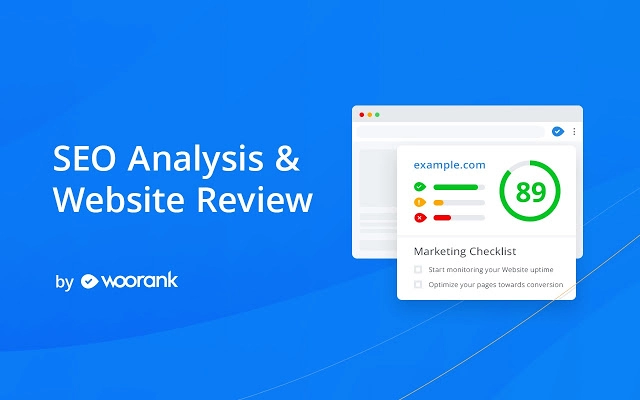
    2. Woorank

    Woorank is one of the best SEO and Website analysis tools which gives a list of SEO improvements in seconds. This SEO tool has a chrome extension. Initially, you will get an overall SEO score. Afterwards, the tool shows you precisely how to improve your site’s on-page and off-page SEO. The advantage of Woorank is that it gives you a detailed SEO checklist that you can use to fix any issues that your website have.

    SEO-tools

    3. Animalz Revive

    Animalz Revive is one of the top sites which helps you to find older content on your site that needs an update or upgrade. Fortunately, this tool tells you exactly which articles on your website need the most importance. Animalz revive analyse the Google Analytics data, then provide a list of posts that should be refreshed.

    4. SmallSEOTools (SST)

    SST is a complete set of text tool which is a benefit for the SEO. It is used to check plagiarism, rewrite an article, monitor word count and check grammar. Also, it has a newly added paraphrasing tool. SmallSEOTools has a wide range of tools such as image editing tools, Keywords tool, Backlink tool, Website Management tools, Website tracking tools, Proxy tools, domain tools, Meta tags tools etc.

    SEO-tools

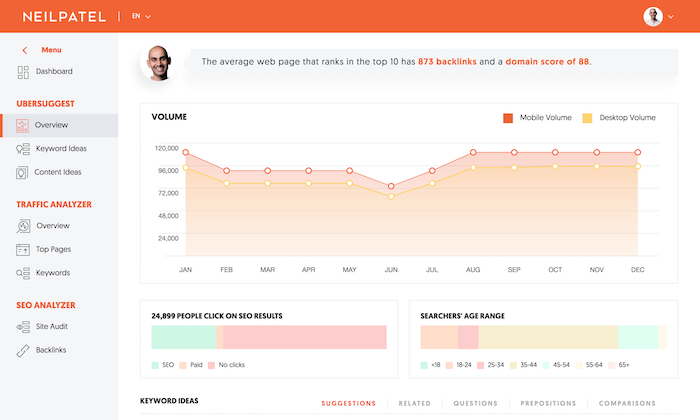
    5. UberSuggest

    UberSuggest helps you to provide more traffic to your website. It is the best tool to analyse competitors’ keywords and backlinks. This SEO tool gives details for domain overview, Top SEO pages, keyword suggestions, Content ideas, Backlinks ideas. Also, UberSuggest has a free Chrome extension.

    SEO-tools-

    Know more about Digital Marketing Course Syllabus

    The best 5 free SEO tools in 2024

    SEO-tools


    1. Ahrefs

    Ahrefs is an all-in-one SEO tool. Also, It provides free learning material. Subscribing Ahrefs you will get the access to explore your site, keywords explorer, rank tracker, and the main audit of your site. Using Content Explorer from this SEO tool you can learn from your industry’s top-performing content.SEO-tools

    2. Serpstat

    Serpstat is the growth hacking tool for Digital Marketing, SEO, PPC, Content Marketing. It is a perfect platform for professionals. Serpstat is a benefit for Digital Marketing Agencies, In-house SEO Teams, SMB and enterprise. This tool provides the most comprehensive and reliable search data.SEO-tools

    3.  seobility

    seobility is an online SEO software tool for better website optimization. This tool audits your entire website and follows all internal and external links. Also, seobility track daily keyword ranking position on different search engines and country or city levels. It monitors SEO backlinks, checks your competitors, and helps to find ideas for link building.SEO-tools

    4. Morningscore

    Morningscore is an easy SEO tool that helps your website get more traffic and rank higher on SERPs. This tool provides a full feature 14-day free trial. Morningscore can understand your SEO, Track progress and ROI on SEO, Analyze competitor SEO, Track keywords ranking,  checks technical errors, Monitor your backlinks.SEO-tools

    5. Mangools

    Mangools monitor and manage all of your SEO in one place. This SEO tool provides a 10-day free trial. Using Mangools, you can find the right keywords, Check SERPs for any location, Discover powerful backlinks, monitor competitors’ website authority. Mangools is easy to use with great UI, SEO skills support, gives value for money. It is the perfect choice for beginner bloggers.

    Education is the solution to violence

    Facilisis rutrum sagittis nunc eros nibh. Elit id vestibulum metus etiam ridiculus suscipit enim. Sagittis diam ipsum nunc dapibus dolor. Ornare feugiat tincidunt urna placerat rhoncus mi pretium dapibus.

    Ultrices natoque ultricies euismod porta quisque mollis laoreet commodo imperdiet. Congue vel volutpat consectetuer tristique bibendum cras. Interdum turpis maecenas letius dapibus facilisi eleifend taciti netus. Himenaeos sodales dictumst ornare ex efficitur metus. Eros risus mattis pulvinar justo lobortis torquent. Nascetur phasellus magnis facilisi vitae lectus duis.

    Tags :
    Author : Sony

    Consectetur sollicitudin cubilia facilisis lobortis lacus a ac phasellus. Mus pulvinar enim suspendisse pharetra id commodo platea nunc aliquet.

    Learner of DigiSkillz, Digital Marketing Institute in Kochi.

  • Step By Step Guide for Social Media Marketing

    Step By Step Guide for Social Media Marketing

    Step By Step Guide for Social Media Marketing

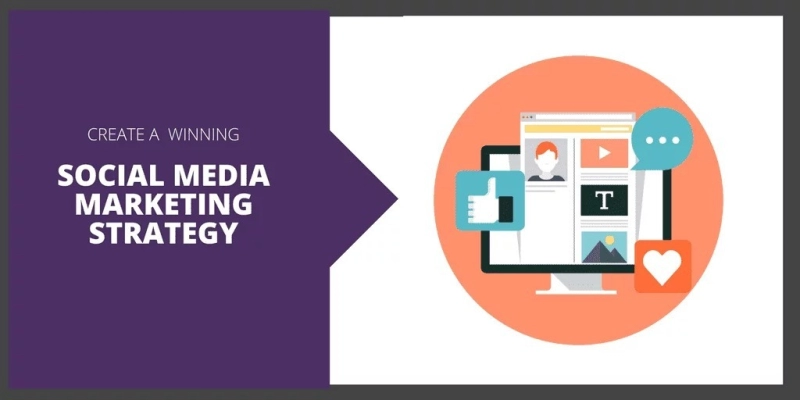
    Social media has become a vital aspect of modern-day marketing strategies. From small startups to large corporations, social media has become an integral part of their marketing campaigns. With billions of users worldwide, social media platforms have the potential to reach a massive audience and help businesses grow exponentially. However, social media marketing can be intimidating, especially for small businesses and startups. In this guide, we will provide a Step By Step Guide For Social Media Marketing and help you leverage the power of social media for your business.

    Step By Step Guide For Social Media Marketing

    Table of Contents

    1. Setting Up Your Social Media Marketing Strategy


    Step by Step Guide for Social Media Marketing


    Setting up your social media marketing strategy involves defining your goals, identifying your target audience, choosing the right platforms, developing a content plan, and establishing key performance indicators (KPIs). By establishing a strong foundation for your strategy, you can ensure your social media efforts are aligned with your business objectives and achieve maximum impact.

    1. Defining your Social Media Marketing Goals and Objectives

    Before you begin any social media marketing activities, you need to identify what you want to achieve through your efforts. This could be anything from increasing brand awareness to generating leads or sales. It’s important to set specific, measurable goals and objectives so that you can track your progress and determine whether your strategy is working.

    2. Identifying your Target Audience and Understanding Their Needs and Preferences

    Once you’ve established your goals, you need to identify who your target audience is and what they want. This will help you create content and messaging that resonates with them and drives engagement. You can use tools like social media analytics and audience insights to gather data on your audience’s demographics, interests, and behaviors.

    3. Selecting the Most Appropriate Social Media Platforms to Reach Your Audience


    Step By Step Guide For Social Media Marketing

    Not all social media platforms are created equal, and different platforms may be more effective at reaching your target audience. Consider factors like your audience’s age, gender, location, and interests when deciding which platforms to focus on. Popular platforms for businesses include Facebook, Instagram, Twitter, LinkedIn, and Pinterest.

    4. Developing a Content Strategy and Calendar to Guide your Social Media Efforts

    Your content strategy should outline what types of content you’ll be sharing on social media, how often you’ll post, and what messaging and visuals you’ll use to convey your brand message. Creating a content calendar can help you stay organized and ensure that you’re posting consistently.

    5. Creating a Social Media Marketing Budget and Identifying Key Performance Indicators (KPIs) to Measure Success

    Finally, you’ll need to establish a budget for your social media marketing activities and identify how you’ll measure success. This could include tracking metrics like engagement, reach, leads, or sales. By setting clear KPIs, you’ll be able to determine whether your strategy is working and make adjustments as needed.

    2. Creating Engaging and Shareable Content


    Step by Step Guide for Social Media Marketing

    Creating engaging and shareable content involves understanding your audience’s interests and preferences and tailoring your content to meet their needs. By developing a content strategy that incorporates a variety of formats and platforms, you can create content that resonates with your audience and encourages them to share it with their own networks.

    Your content strategy should align with your overall social media marketing goals and objectives, while also speaking directly to your target audience. This means understanding their pain points, interests, and preferences, and crafting content that addresses their needs.

     Determining the best types of content to share on Social Media (e.g. images, videos, infographics, blog posts)

    Different types of content perform better on different social media platforms, so it’s important to determine which formats will be most effective for your goals and audience. For example, visual content like images and videos tend to perform well on Instagram, while longer-form content like blog posts may work better on LinkedIn or Facebook.

    Creating high-quality content that is both visually appealing and optimized for social media platforms is key to driving engagement and shares. This means using high-quality images and videos, optimizing content for each platform’s algorithm, and using engaging captions and hashtags to encourage interaction.

     Encouraging your Audience to Engage with and Share your Content

    To encourage your audience to engage with and share your content, you should make it as easy as possible for them to do so. This could include adding social sharing buttons to your website or blog, creating shareable graphics and images, and incentivizing sharing through contests or promotions.

    3 Building and Growing Your Social Media Presence

    Step by Step Guide for Social Media Marketing


    Building and growing your social media presence requires a strategic approach that includes optimizing your profiles, developing a consistent brand voice and aesthetic, and engaging with your audience. By building a community of loyal followers and running social media campaigns and contests, you can increase engagement and brand awareness. It’s essential to regularly analyze and adapt your social media strategy to ensure continued growth and success.

    Optimizing your Social Media Profiles for Maximum Visibility and Impact

     To optimize your social media profiles, ensure that all necessary information about your brand or business is included, such as contact information, website URL, and a brief bio. Use high-quality visuals, such as profile and cover photos, and ensure that they align with your brand’s aesthetic.

    Developing a Consistent Brand Voice and Aesthetic Across all Platforms

    Your brand’s voice and aesthetic should be consistent across all social media platforms to reinforce brand recognition and identity. Define your brand’s values, tone, and messaging, and ensure they are reflected in your content.

    Engaging with your Audience through Comments, Direct Messages, and Social Media Chats


    Step By Step Guide For Social Media Marketing


    Engaging with your audience is essential to building a relationship with them. Respond to comments, messages, and social media chats promptly and thoughtfully, and make sure to thank your followers for their support.

    Building a Community of Loyal Followers and Brand Advocates

    Encourage your followers to engage with your brand by creating a sense of community. Share user-generated content, highlight customer reviews, and create content that encourages conversation and participation.

    Running social media campaigns and contests can boost engagement and brand awareness. Offer incentives such as giveaways, exclusive discounts, or early access to new products to incentivize participation. Ensure that the campaigns align with your brand values and messaging.

    4. Implementing Social Media Advertising Campaigns


    Step by Step Guide for Social Media Marketing8


    Implementing social media advertising campaigns involves identifying the most effective platforms and ad types, creating targeted ads based on audience demographics, interests, and behaviors, and A/B testing different ad copy and visuals to optimize performance. By setting and managing your advertising budget for maximum ROI and analyzing and reporting on campaign success, you can continuously improve and refine your social media advertising strategy

    To identify the most effective social media advertising platforms, consider your target audience and their social media habits. Each platform has its unique advertising features and formats, so it’s essential to select the most suitable platforms and ad types for your business.

    Creating and Targeting Ads based on Audience Demographics, Interests, and Behaviors

    When creating social media ads, target your audience based on their demographics, interests, and behaviors. This targeting helps ensure your ads reach the right audience, increasing the chances of conversion.

    A/B Testing Different Ad copy and Visuals to Optimize Performance

    A/B testing is crucial to optimize ad performance. Test different ad copy, visuals, and call-to-actions to determine what resonates best with your audience and drives the most engagement and conversions.

    Setting and Managing your Advertising Budget for ,Maximum ROI:

    Setting a budget for your social media advertising campaigns is essential to ensure you get a return on your investment. Regularly monitoring your ad spending and performance will help you adjust your budget accordingly for maximum ROI.

    Analyzing and Reporting on the Success of your Social Media Advertising Campaigns:

    Analyzing and reporting on the success of your social media advertising campaigns is crucial to determine their effectiveness. Track metrics such as reach, engagement, and conversion rates to evaluate the success of your campaigns and make data-driven decisions for future campaigns.

    5 Measuring and Analyzing Social Media Performance


    Step by Step Guide for Social Media Marketing


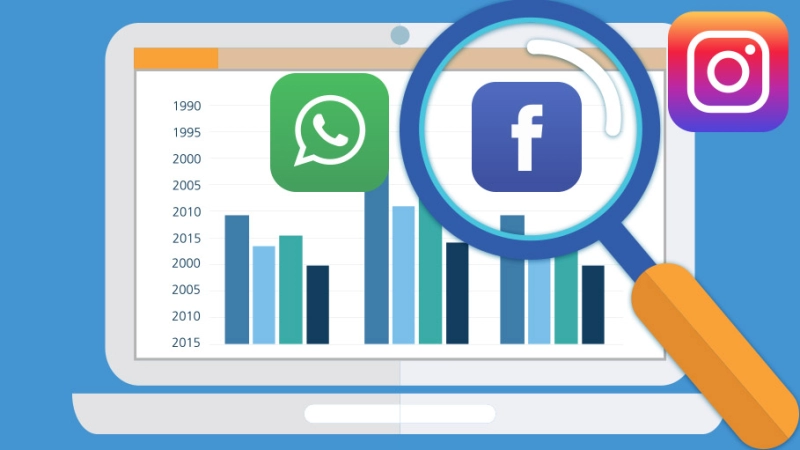
    Measuring and analyzing social media performance is essential to track progress toward your goals, identify areas for improvement, and make data-driven decisions. By identifying relevant KPIs, monitoring metrics regularly, and using social media analytics tools, you can continuously refine your social media strategy for maximum impact.

    Identifying Key Performance Indicators (KPIs) to Measure the Success of Your Social Media Marketing Efforts:

    To measure the success of your social media marketing efforts, identify relevant KPIs such as reach, engagement, conversion rates, and website traffic. These KPIs should align with your overall business goals and objectives.

    Monitoring your Social Media Metrics on a Regular Basis to Track Progress Toward your Goals

    Regularly monitoring your social media metrics is crucial to track progress toward your goals and making data-driven decisions. Use the insights gained from monitoring to adjust your strategy and tactics accordingly.

    Analyzing Social Media Data to Identify Trends, Opportunities, and Areas for Improvement

    Analyzing social media data can help identify trends, opportunities, and areas for improvement. Use this data to refine your strategy and tactics, optimize your content, and target your audience more effectively.

    Using Social Media Analytics Tools to Measure and Report on your Social Media Performance

    Social media analytics tools can help measure and report on your social media performance, providing valuable insights into your audience’s behavior, engagement, and interests. Use these tools to regularly monitor your KPIs and adjust your strategy accordingly.

    Continuously refining your social media strategy based on data insights is essential to ensure continued growth and success. Use the insights gained from monitoring and analyzing your social media data to adjust your tactics, content, and targeting for maximum impact.

    6 Staying Up-to-Date with Social Media Trends and Best Practices


    Step by Step Guide for Social Media Marketing

    Staying up-to-date with the latest social media trends and updates across platforms is essential to ensure your social media strategy remains effective. Follow social media industry news and stay informed about new features and functionality that may impact your strategy.

    New features and functionality on social media platforms can significantly impact your social media strategy. Stay informed about changes to algorithms, new ad formats, and updates to policies to ensure you’re making the most of these tools.

    Industry experts and thought leaders can provide valuable insights and knowledge to help you improve your social media strategy. Attend webinars, listen to podcasts, and take online courses to stay up-to-date on the latest trends and best practices.

    Participating in social media communities and groups can help you connect with other marketers and share best practices. Join groups related to your industry or social media marketing to network and learn from others.

    Experimenting with new social media tactics and tools is essential to keep your strategy fresh and effective. Test new content formats, use new social media tools, and try out new tactics to identify what works best for your brand and audience.


    To expand your understanding of Instagram advertising, feel free to browse through this source, which offers valuable tips and strategies for maximizing your ad campaigns on this popular social media platform.

    For a comprehensive guide on Facebook marketing, check out this resource, which offers a wealth of information on how to create and optimize ads that can reach your target audience effectively.

    Conclusion

    In conclusion, social media marketing is a crucial aspect of any successful marketing strategy in the digital age. The step-by-step guide provided in this topic can be a valuable resource for businesses and individuals looking to make the most of their social media presence.

    This Guide For Social Media Marketing helps  businesses can create engaging content, identify their target audience, and develop effective social media campaigns. Additionally, tracking and analyzing social media metrics can provide valuable insights into what is working and what needs to be adjusted.

    It is important to remember that social media marketing is an ongoing process that requires consistent effort and attention. By staying up-to-date with the latest trends and strategies, businesses can continue to improve their social media presence and drive engagement with their audience.

    Tags :
    Author : nishni

    Consectetur sollicitudin cubilia facilisis lobortis lacus a ac phasellus. Mus pulvinar enim suspendisse pharetra id commodo platea nunc aliquet.

    Learner of DigiSkillz, Digital Marketing Institute in Kochi.

  • Content Creation for SEO: 10 Powerful Tips to Boost Rankings

    Content Creation for SEO: 10 Powerful Tips to Boost Rankings

    Mastering Content Creation for SEO: A Complete Guide

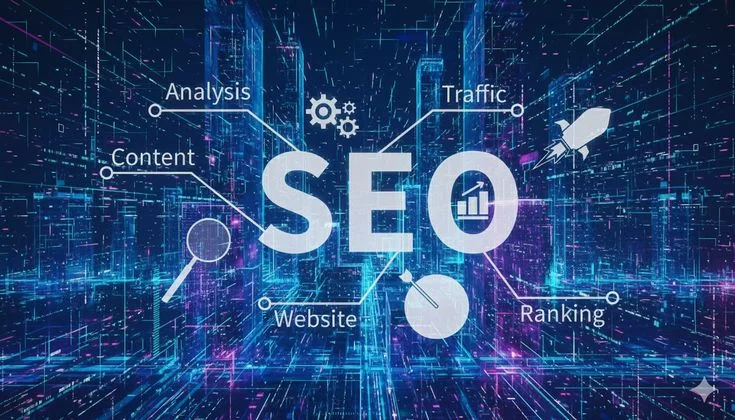
    Search Engine Optimization (SEO) is not just a buzzword — it is a necessity for any brand or individual aiming to grow and succeed online. In today’s competitive digital landscape, high-quality content alone is not enough; it must be created with search engines and users in mind. Whether you are a blogger, digital marketer, or business owner, mastering content creation for SEO can dramatically improve your search visibility, attract the right audience, and increase engagement across your website.

    Effective content creation for SEO focuses on delivering valuable, relevant, and well-structured content that aligns with user intent while following search engine best practices. From choosing the right keywords to crafting compelling headlines and optimizing content structure, every step plays a crucial role in how your content performs in search results. When done correctly, content creation for SEO helps your pages rank higher, drive consistent organic traffic, and build long-term authority in your niche.

    This in-depth guide will walk you through everything you need to know about creating SEO-friendly content. You will learn how to conduct keyword research, develop a strong content strategy, optimize on-page elements, and track performance to continuously improve your results. By the end of this guide, you will have a clear understanding of how to create content that ranks well, engages readers, and supports sustainable online growth.

    Understanding SEO and Its Importance

    SEO is the practice of optimizing your content so it ranks higher on search engine results pages (SERPs). With over 90% of online experiences beginning with a search engine, showing up at the top of results can drive massive traffic to your site. SEO is not just about rankings — it’s about relevance, authority, and trust.

    Why SEO Matters for Content Creators:

    • Increased visibility and traffic
    • Higher conversion rates
    • Cost-effective marketing
    • Long-term results

    Types of SEO:

    • On-page SEO: Optimizing individual content pieces.
    • Off-page SEO: Building authority through backlinks.
    • Technical SEO: Ensuring your site can be crawled and indexed efficiently.

    Keyword Research: The Foundation of SEO

    Keywords refer to the words and phrases that individuals enter into search engines. Your job is to identify the right keywords and use them strategically.

    Steps in Keyword Research:

    • Brainstorm seed keywords related to your niche.
    • Utilize resources such as Google Keyword Planner, Ahrefs, SEMrush, or Ubersuggest.
    • Analyze competitors to see what keywords they’re targeting.
    • Identify long-tail keywords for more targeted traffic.
    • Understand search intent — informational, navigational, transactional.

    Keyword Metrics to Monitor:

    • Search volume
    • Keyword difficulty
    • Cost per click (CPC)
    • Trends and seasonality

    Tips:

    • Target a mix of short-tail and long-tail keywords.
    • Look at “People also ask” and “Related searches” on Google for inspiration.

    Group keywords by topic to plan content clusters.

    Crafting an SEO Content Strategy

    Without a solid strategy, your content creation can become chaotic and ineffective.

    Steps to Build a Content Strategy:

    • Establish your objectives: Are you aiming to enhance traffic, develop authority, or produce leads?
    • Know your audience: Develop detailed personas.
    • Create a content calendar: Plan topics around your target keywords.
    • Map content to the buyer’s journey.
    • Choose content formats: Blogs, videos, infographics, podcasts.

    Additional Tips:

    • Evaluate your current content to identify deficiencies and potential opportunities.
    • Repurpose old content for new formats.
    • Prioritize content types that best align with your audience’s preferences.

    Writing High-Quality, Optimized Content

    Great content is useful, engaging, and well-structured. It should also be optimized for both users and search engines.

    Best Practices:

    • Write for humans first, search engines second.
    • Use keywords naturally — no stuffing.
    • Craft compelling headlines — use numbers, power words, and questions.
    • Write comprehensive content that answers all relevant questions.
    • Structure content with headers, bullet points, and short paragraphs.
    • Use internal and external links.
    • Include calls-to-action (CTAs).

    Content-Length Tips:

    • Long-form content (1,500+ words) tends to perform better in SERPs.
    • Use subheadings, tables, and visuals to improve readability.

    Examples:

    • Use storytelling techniques for case studies or brand stories.
    • Incorporate expert opinions or quotes.
    • Support claims with data and research

    On-page SEO pertains to the practice of optimizing specific web pages to secure improved rankings and draw in more relevant traffic..

    On-Page SEO Best Practices

    he practice of optimizing specific web pages to secure improved rankings and draw in more relevant traffic..

    Key Elements:

    • Title tags: Include main keywords.
    • Meta descriptions: Summarize content and encourage clicks.
    • URL structure: Keep it short, descriptive, and keyword-rich.
    • Header tags (H1-H6): Organize content.
    • Alternative text for images: Provide descriptions of images for search engines and to enhance accessibility.
    • Mobile-friendliness: Responsive design is a must.

    Internal Linking Strategy:

    • Link to cornerstone content.
    • Use descriptive anchor text.
    • Avoid broken links.

    Visual Content and SEO 

    Visual elements can improve both readability and user engagement, thereby indirectly enhancing SEO.

    Types of Visual Content:

    • Images and infographics
    • Videos and animations
    • Charts and graphs

    Optimization Tips:

    • Compress images to improve load time.
    • Use descriptive filenames and alt tags.
    • Host videos on YouTube and embed them.
    • Include schema markup for rich snippets.

    Engagement Benefits:

    • Users spend more time on pages with visuals.
    • Social shares increase with visual content.
    • Lower bounce rates indicate content relevance.

    User Experience and Technical SEO

    Technical SEO ensures that your content is accessible, crawlable, and provides a great user experience.

    Focus Areas:

    • Site speed: Use tools like Google PageSpeed Insights.
    • Mobile optimization: Over 60% of searches come from mobile devices.
    • Secure website (HTTPS): A ranking factor.
    • Crawlability: Use XML sitemaps and robot.txt files.
    • Structured data: Helps search engines understand your content.

    UX Enhancements:

    • Use clear CTAs.
    • Ensure intuitive navigation.
    • Avoid intrusive interstitials.
    • Make content scannable.

    Measuring and Improving SEO Performance

    content creation for SEO  is not a one-time task. Continuously monitor and tweak your content.

    Tools to Use:

    • Google Analytics
    • Google Search Console
    • Ahrefs
    • SEMrush

    Key Metrics:

    • Organic traffic
    • Bounce rate
    • Average session duration
    • Click-through rate (CTR)
    • Rankings for target keywords

    Optimization Tips:

    • Update outdated content.
    • Add new keywords.
    • Improve internal linking.
    • Repurpose content into different formats.

    SEO Tools Every Content Creator Should Use

    Here are some essential tools to streamline your SEO efforts:

    Keyword Research:

    • Ahrefs
    • Ubersuggest
    • Google Keyword Planner

    Content Optimization:

    • Yoast SEO (WordPress)
    • SurferSEO
    • Clearscope
    • Grammarly

    Analytics & Tracking:

    • Google Analytics
    • Google Search Console
    • Hotjar

    Performance & Audit:

    • Screaming Frog
    • GTmetrix
    • PageSpeed Insights

    Future Trends in SEO and Content Creation

    Maintaining a position at the forefront provides you with a competitive advantage.

    Key Trends:

    • Voice Search: Optimize for conversational queries.
    • Artificial Intelligence and automation: Employ AI for brainstorming and preliminary drafts.
    • E-A-T (Expertise, Authoritativeness, Trustworthiness): Google values credible content.
    • Video SEO: Rising importance.
    • Zero-click searches: Optimize content for featured snippets.

    Preparing for the Future:

    • Focus on building topical authority.
    • Invest in high-quality video production.
    • Optimize content for mobile and voice.
    • Use structured data and schema markup.

    Final Thoughts

    Content creation for SEO is a dynamic, ongoing process that seamlessly blends creativity with data-driven insights. When executed effectively, content creation for SEO delivers immense value by increasing visibility, building credibility, and driving meaningful conversions. It is not a one-time effort but a long-term strategy that requires staying updated with evolving search trends, refining your approach, and consistently improving the quality and relevance of your content.

    Successful content creation for SEO is about understanding how search engines evaluate content while always prioritizing genuine value for your audience. Search Engine Optimization (SEO) is not about manipulating algorithms; instead, it focuses on aligning your content with user intent, answering real questions, and providing solutions your audience is actively searching for. This approach helps establish trust, authority, and sustainable growth over time.

    Whether you are new to digital publishing or looking to refine an existing strategy, mastering content creation for SEO is essential for long-term success in the digital landscape. By combining strategic keyword usage, quality content, and continuous optimization, you can build a strong online presence that delivers consistent results and supports lasting business growth.

    Education is the solution to violence

    Facilisis rutrum sagittis nunc eros nibh. Elit id vestibulum metus etiam ridiculus suscipit enim. Sagittis diam ipsum nunc dapibus dolor. Ornare feugiat tincidunt urna placerat rhoncus mi pretium dapibus.

    Ultrices natoque ultricies euismod porta quisque mollis laoreet commodo imperdiet. Congue vel volutpat consectetuer tristique bibendum cras. Interdum turpis maecenas letius dapibus facilisi eleifend taciti netus. Himenaeos sodales dictumst ornare ex efficitur metus. Eros risus mattis pulvinar justo lobortis torquent. Nascetur phasellus magnis facilisi vitae lectus duis.

    Tags :
    Author : Swetha

    Consectetur sollicitudin cubilia facilisis lobortis lacus a ac phasellus. Mus pulvinar enim suspendisse pharetra id commodo platea nunc aliquet.

    Learner of DigiSkillz, Digital Marketing Institute in Kochi.