
Category: Digital Marketing

  • Exploring the Digital Excellence on the basics of Digital Marketing

    Exploring the Digital Excellence on the basics of Digital Marketing

    Exploring the Digital Excellence on the basics of Digital Marketing

    Nowadays, we can’t remove the word “Digital”in our daily life.The term “digital” refers to the use of technology, specifically involving electronic devices and computerized systems that process and transmit information in the form of discrete elements known as digits.
    the basics of digital marketing 

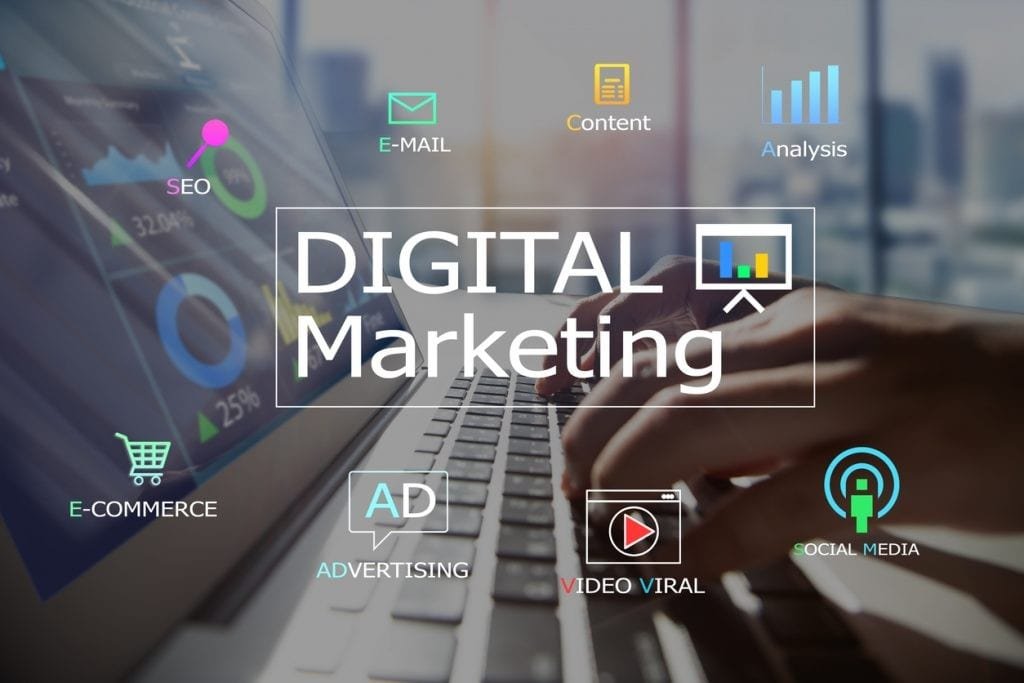
    The vast landscape of the internet, understanding the basics of digital marketing is like having a compass to navigate through the digital realm.

    This guide aims to simplify the journey into digital excellence by exploring the fundamental strategies that can elevate your online presence.

    Whether you’re a business owner, a content creator, or someone curious about the digital world, this exploration into the basics of digital marketing will provide you with valuable insights and practical tips.


    The Foundation of Digital Marketing on the basics of digital marketing 
    the basics of digital marketing 

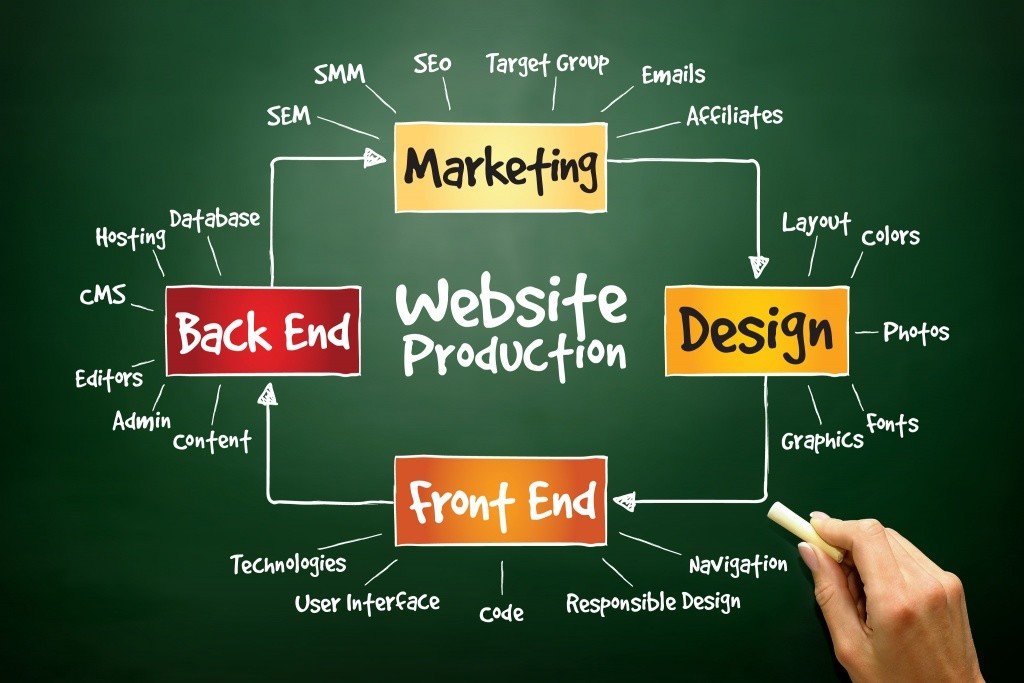
    The foundation of digital marketing rests on the fundamental principles of leveraging online platforms and technologies to connect with a target audience, drive brand awareness, and promote products or services.

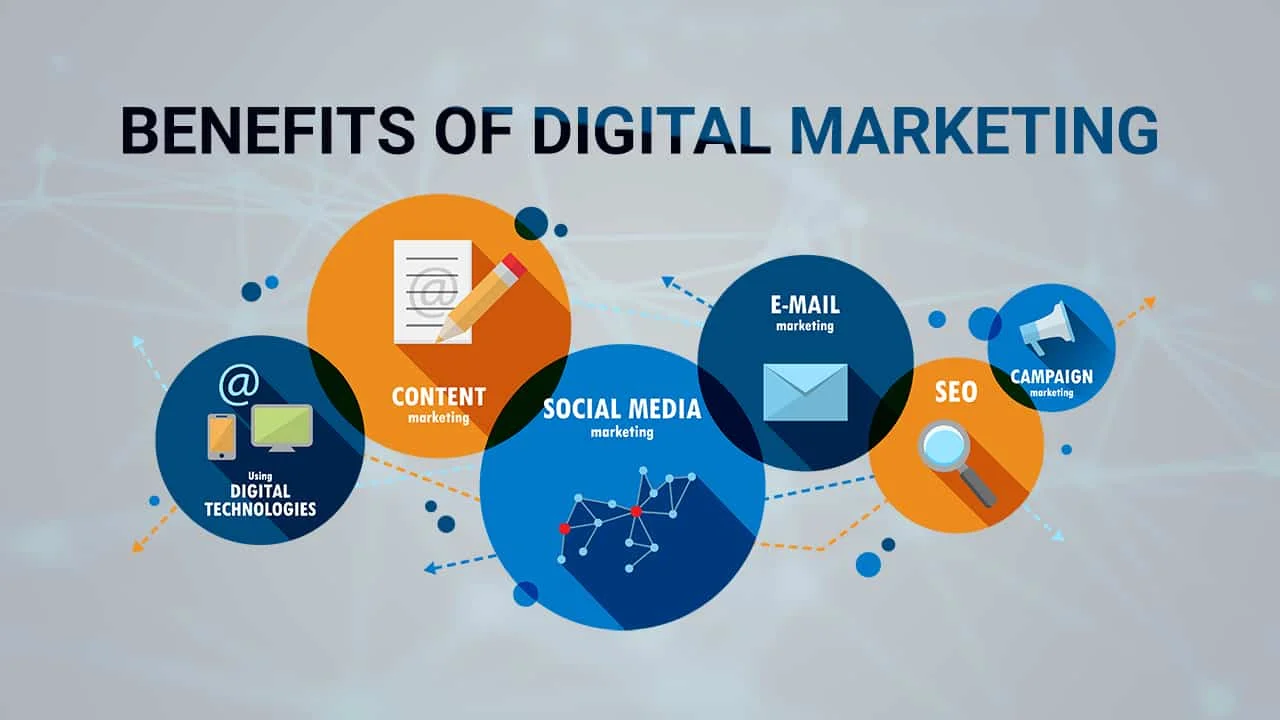
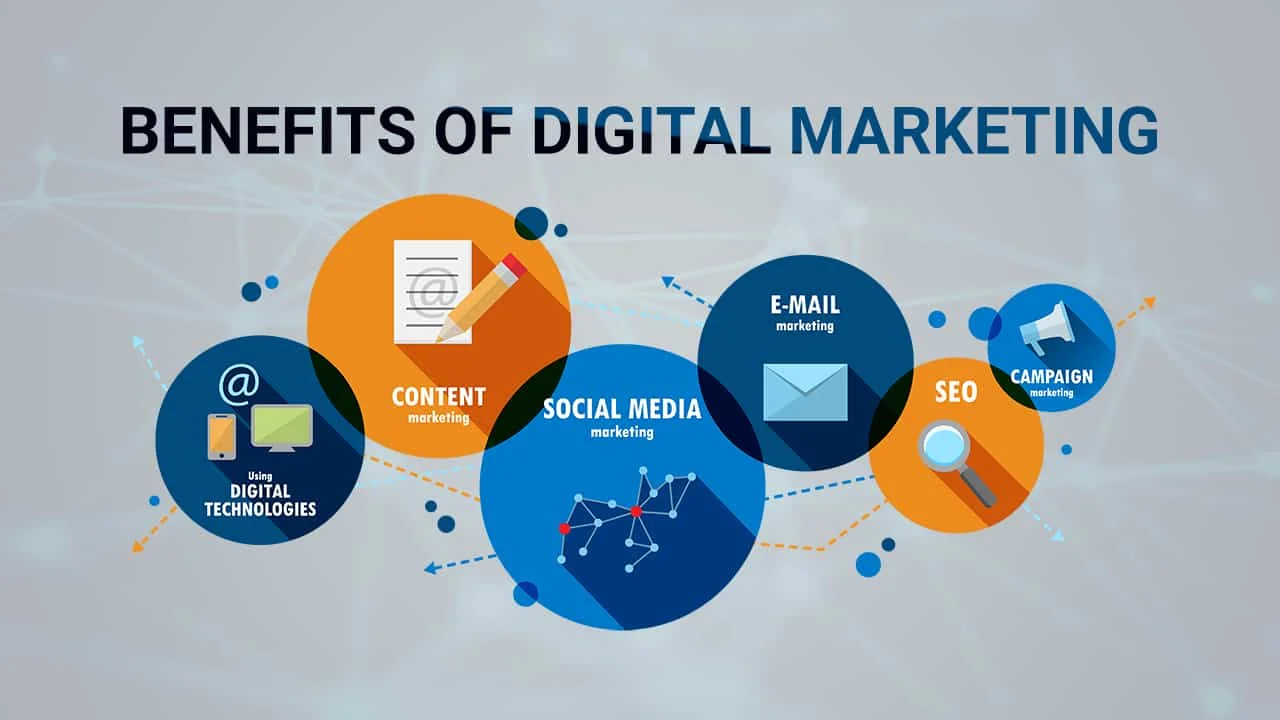
    Digital marketing encompasses a diverse range of channels, each playing a unique role in reaching potential customers effectively.

    One key element in the digital marketing landscape is Search Engine Optimization (SEO), which involves optimizing a website’s content to improve its visibility on search engine results.

    A well-executed SEO strategy ensures that a business ranks higher in relevant searches, increasing the likelihood of attracting organic traffic.

    Social media marketing is another integral aspect, utilizing platforms like Facebook, Instagram, Twitter, and LinkedIn to engage with audiences on a personal level.

    By creating compelling content and fostering interactions, businesses can build a strong online presence, connect with their target demographic, and cultivate brand loyalty.

    Email marketing remains a stalwart in digital communication. It involves sending targeted messages directly to the inbox of potential customers, providing them with valuable information, promotions, and updates.

    Effective email marketing relies on segmentation and personalization, ensuring that messages resonate with specific audience segments.

    Furthermore, content marketing plays a pivotal role in digital strategies. Creating and distributing valuable, relevant, and consistent content across various channels establishes authority and credibility within a particular industry, attracting and retaining a loyal audience

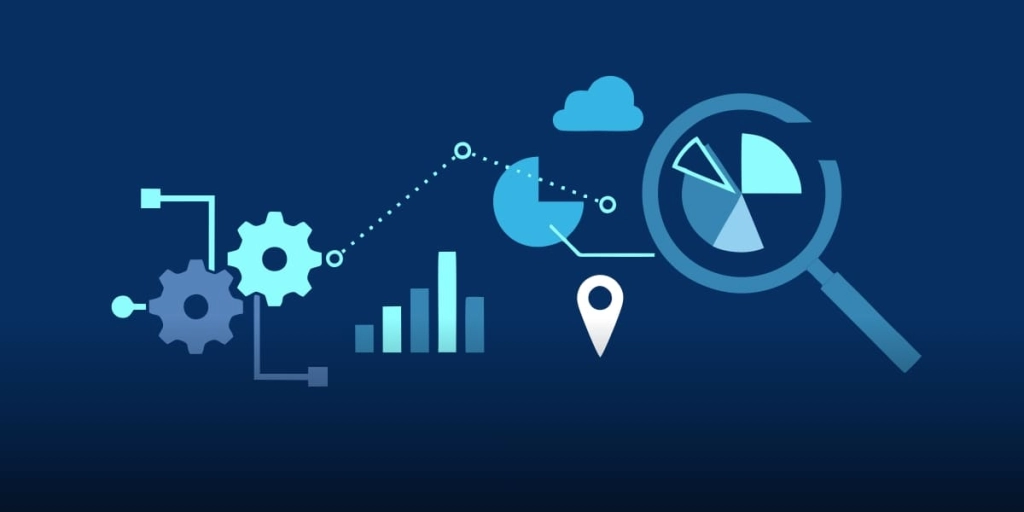
    Analytics is the backbone of digital marketing, offering insights into campaign performance and user behavior.

    By tracking key metrics, such as website traffic, conversion rates, and engagement levels, marketers can refine their strategies and make data-driven decisions to optimize results.

    Understanding these basics enables marketers to craft cohesive and effective digital marketing strategies.

    The dynamic nature of the digital landscape requires continuous adaptation and learning, making it essential for professionals to stay abreast of emerging trends and technologies.

    With a solid foundation in these core principles, businesses can navigate the complexities of the online environment, ensuring they remain competitive and capable of reaching and resonating with their target audience effectively.


    Crafting a Compelling Online Presence on the basics of digital marketing 

    the basics of digital marketing 

    Crafting a compelling online presence is a multifaceted endeavor crucial for individuals and businesses alike in the digital landscape. It begins with a clear definition of one’s identity, encompassing values, mission, and unique attributes.

    A professionally designed website serves as the virtual storefront, requiring both aesthetic appeal and functionality.

    Optimizing for search engines ensures visibility, while engaging in social media fosters direct connections with the audience.

    Content marketing, featuring a mix of blog posts, videos, and other formats, establishes expertise and addresses the audience’s interests. Building relationships through networking, both with influencers and within communities, adds a personal touch.

    Visual branding elements, from logos to color schemes, should remain consistent across platforms.

    Monitoring and managing online reputation, responding to feedback promptly, and staying consistent in messaging contribute to a positive online image.

    Regular analytics assessment guides refinements, ensuring that the online presence remains dynamic and effective.

    Crafting a compelling online presence is an ongoing process, requiring attention to detail and adaptability in an ever-evolving digital landscape

    Crafting a compelling online presence is foundational in digital marketing, serving as the gateway to successful brand engagement. It involves strategically presenting a brand’s identity, values, and offerings to captivate and resonate with the target audience.

    Firstly, an effective website is paramount. A seamless navigation experience enhances user engagement, fostering a positive perception of the brand.

    Content creation is equally vital. Regularly publishing relevant, valuable, and shareable content establishes authority in the industry, attracting and retaining an audience. This can take the form of blog posts, social media updates, videos, or other multimedia content.

    Social media platforms play a pivotal role in building an online presence. Leveraging these channels allows brands to connect directly with their audience, share updates, and humanize the brand. Consistent branding across platforms reinforces brand identity and credibility


    The Power of Content: Words That Connect
    the basics of digital marketing 

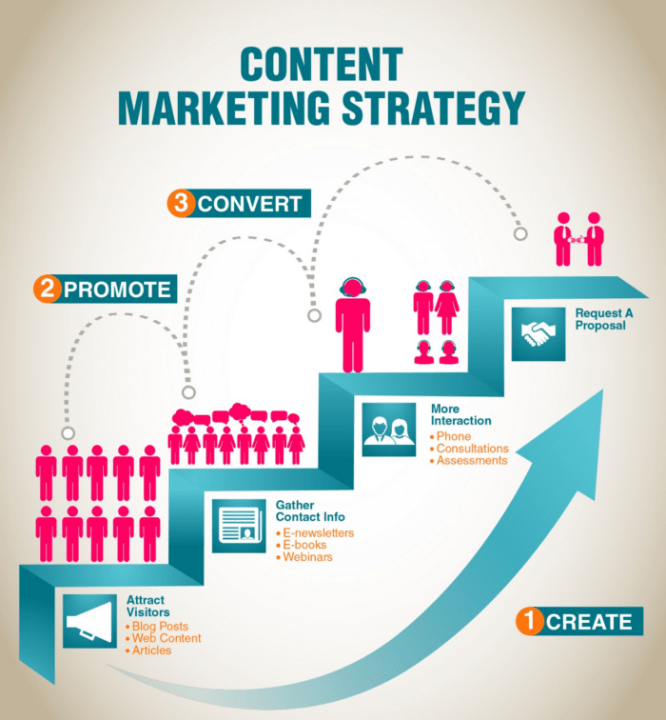
    The power of content lies in its ability to forge meaningful connections through carefully chosen words.Content, whether expressed in articles, blogs, or social media posts, serves as a bridge between creators and their audience.

    When words are thoughtfully crafted, they have the potential to resonate, inspire, and evoke emotions.Compelling content not only informs and educates but also establishes a rapport, creating a sense of trust and authenticity.

    It transcends the transactional and strives for a genuine engagement, fostering a community around shared values and interests.

    In a world inundated with information, the power of content lies in its capacity to cut through the noise, leaving a lasting impression and fostering a bond that extends beyond the immediate consumption of information.

    It’s the art of storytelling and expression that transforms words into a conduit for connection, influencing perspectives, and shaping relationships in the digital realm.


    Navigating the Social Media Landscape on the basics of digital marketing
    the basics of digital marketing 

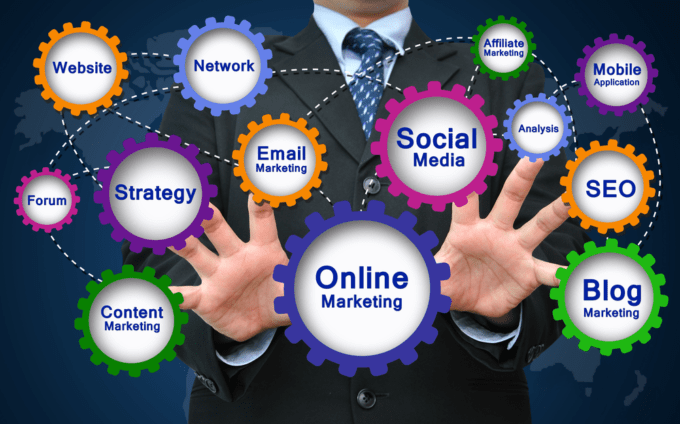
    Within the basics of digital marketing, social media emerges as a bustling marketplace in the digital world.

    This chapter serves as your guide to navigating the social media landscape, emphasizing the importance of understanding how different platforms operate within the basics of digital marketing.

    Explore the best practices tailored to each platform, and grasp how to leverage social media effectively within the basics of digital marketing.

    Learn how to utilize these platforms to not only build brand awareness but also foster a personal connection with your audience.


    Cracking the Code of SEO
    the basics of digital marketing 

    In the basics of digital marketing, SEO, which stands for Search Engine Optimization, becomes the linchpin for online discovery. This chapter is dedicated to demystifying the basics of SEO within the basics of digital marketing.

    Dive into the fundamentals, understanding how to optimize your content to ensure that search engines, within the basics of digital marketing, can effortlessly locate and recommend it to users.

    Explore the significance of keywords, meta tags, and other SEO essentials within the basics of digital marketing, all of which play a crucial role in enhancing your website’s visibility.


    Email Marketing Essentials

    the basics of digital marketing 

    Email marketing essentials encompass a range of crucial elements that collectively contribute to the success of an email campaign.

    Building and managing permission-based email lists is foundational, ensuring recipients have willingly opted in.Crafting compelling content with clear, concise copy and visually appealing design captures attention.

    Personalization through addressing recipients by name and tailoring content enhances engagement. Responsive design accommodates diverse devices, especially mobile platforms.Strong calls-to-action guide recipients, while continuous testing and optimization refine strategies.

    Automation facilitates timely, targeted communications, and adherence to data protection regulations is paramount for trust and compliance.

    Analytics provide insights, helping marketers gauge campaign effectiveness, and an easy opt-out mechanism respects recipient preferences.

    These essentials collectively empower businesses to create impactful email marketing campaigns that foster connections, drive conversions, and maintain regulatory compliance


    Understanding Digital Analytics
    the basics of digital marketing 

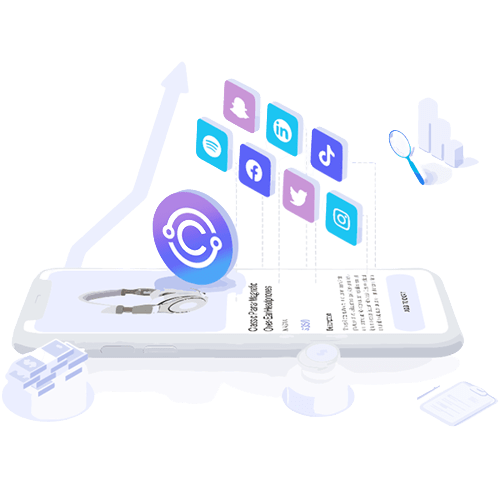
    Understanding digital analytics is essential for businesses seeking to make informed decisions and optimize their online presence.

    Digital analytics involves the collection, measurement, analysis, and interpretation of data from various digital platforms and channels.It provides insights into user behavior, website performance, and the effectiveness of marketing efforts.

    Key metrics such as website traffic, user engagement, conversion rates, and customer demographics help businesses assess the impact of their online strategies.

    Tools like Google Analytics, Adobe Analytics, or others track and visualize this data, offering a comprehensive view of how users interact with digital assets.

    By interpreting these analytics, businesses can refine their digital marketing strategies, improve user experiences, identify areas for growth, and ultimately enhance their online performance.

    Digital analytics serves as a valuable compass, guiding businesses towards data-driven decisions that contribute to overall success in the dynamic digital landscape.


    Paid Advertising: Reaching New Heights
    the basics of digital marketing


    Within the basics of digital marketing, while organic strategies are indispensable, incorporating paid advertising can provide an extra boost to your efforts.

    This chapter delves into understanding the basics of paid advertising, covering various platforms from social media ads to Google Ads, all within the basics of digital marketing.

    Gain insights on how to set budgets effectively, target the right audience, and measure the ROI of your paid campaigns within the basics of digital marketing, ensuring a strategic and well-informed approach to enhancing your online presence.

    Paid advertising is a crucial facet of digital marketing, propelling businesses to new heights by strategically investing in online platforms to reach a wider audience.

    This method involves paying for ad placements on various channels like search engines, social media, and websites.

    Pay-per-click (PPC) campaigns on search engines, such as Google Ads, enable businesses to appear prominently in search results, driving targeted traffic to their websites.

    Social media platforms like Facebook and Instagram offer paid advertising options that allow businesses to reach specific demographics based on user interests, behaviors, and demographics.

    These targeted ads enhance visibility and engagement. Display advertising on websites showcases visually appealing banners or videos to capture audience attention.

    Successful paid advertising campaigns leverage compelling content, precise targeting, and constant monitoring of performance metrics to maximize return on investment and elevate a brand’s digital presence effectively.

    Paid advertising is a dynamic and essential facet of digital marketing, propelling businesses to new heights by strategically promoting products or services to a targeted audience. This method allows brands to amplify their visibility and reach beyond organic efforts, ensuring a broader market presence and potential customer acquisition.

    One of the primary platforms for paid advertising is pay-per-click (PPC) advertising, where advertisers pay a fee each time their ad is clicked. Google Ads, for instance, displays ads at the top of search engine results pages, directly reaching users actively searching for related products or services. Social media platforms like Facebook, Instagram, and LinkedIn offer sophisticated ad targeting options, allowing businesses to tailor their campaigns based on demographics, interests, and behaviors.

    Paid advertising provides immediate visibility and can be precisely tracked and measured. Analytics tools enable marketers to assess the performance of their campaigns, including click-through rates, conversion rates, and return on investment (ROI). This data-driven approach allows for continuous optimization, ensuring that resources are allocated efficiently to maximize results.

    Remarketing is another powerful strategy within paid advertising. It involves targeting users who have previously interacted with a brand but didn’t convert. Displaying tailored ads to this audience as they browse other websites or social media platforms helps reinforce brand awareness and encourages them to revisit the site.

    However, successful paid advertising requires careful planning, keyword research, compelling ad creatives, and constant monitoring. Advertisers must stay abreast of industry trends, audience behavior, and platform algorithms to adapt their strategies effectively.

    In essence, paid advertising is a dynamic and results-oriented approach that, when executed strategically, catapults businesses to new heights by expanding their online visibility, driving targeted traffic, and ultimately, achieving business objectives.


    Mobile Optimization for Today’s Audience

    the basics of digital marketing 

    In the basics of digital marketing, the digital world deems data as your ally.

    This chapter is devoted to comprehending the basics of digital marketing through understanding digital analytics and how it plays a pivotal role in informing your marketing decisions.

    Learn within the basics of digital marketing how to adeptly interpret website analytics, social media insights, and other data sources.

    This knowledge becomes paramount in measuring the success of your digital marketing efforts within the basics of digital marketing, allowing you to make informed adjustments for continued improvement and strategic refinement.

    Mobile optimization is crucial in today’s digital landscape as an increasing number of users rely on smartphones for online activities. With a rapidly growing mobile audience, ensuring that websites and applications are optimized for mobile devices is imperative.

    In a world where people are constantly on the go, mobile optimization enhances user experience by providing seamless navigation, faster load times, and responsive design. This adaptation is not just about aesthetics; it directly impacts user engagement and conversion rates.

    Search engines also prioritize mobile-friendly content, influencing website rankings. Therefore, businesses must prioritize mobile optimization to remain competitive in the online sphere. Responsive design, streamlined content, and efficient navigation contribute to a positive user experience, fostering customer loyalty and satisfaction.

    Furthermore, mobile optimization aligns with changing consumer behaviors, meeting the expectations of an audience that demands convenience and accessibility. Whether it’s an e-commerce site, a blog, or a service platform, catering to the mobile audience ensures broader reach and relevance in today’s dynamic digital landscape.

    Overall, mobile optimization is an essential strategy for businesses seeking to thrive and connect with the ever-expanding mobile-centric consumer base.


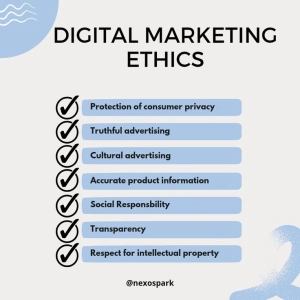
    Ethical Considerations in Digital Marketing
    the basics of digital marketing 

    In concluding our exploration within the basics of digital marketing, let’s delve into the ethical considerations integral to digital marketing strategies.

    Understand the importance, within the basics of digital marketing, of transparency, privacy, and building trust with your audience.

    Explore how ethical practices, firmly rooted in the basics of digital marketing, not only positively impact your brand reputation.

    But also play a pivotal role in contributing to long-term success within the dynamic and evolving digital landscape.

    Embarking on the journey of exploring digital excellence within the basics of digital marketing is a transformative experience.

    From defining your online presence to mastering the nuances of SEO and paid advertising, this guide within the basics of digital marketing has equipped you with the knowledge and tools needed to thrive in the digital world.

    Remember, digital marketing is a dynamic field, so stay curious, adapt to changes, and continue refining your strategies for ongoing success within the ever-evolving basics of digital marketing landscape.


    Ethical considerations in digital marketing are of paramount importance in an era where online interactions play a central role in business promotion. Upholding ethical standards not only fosters trust among consumers but also ensures the long-term sustainability and reputation of a brand.

    Transparency is a cornerstone of ethical digital marketing. Businesses must be forthright about their products, services, and pricing. Providing accurate and clear information helps build trust with consumers, leading to a more positive brand perception.

    Respecting user privacy is a critical ethical consideration. As data plays a pivotal role in digital marketing, it is crucial to obtain explicit consent before collecting, storing, or utilizing personal information. Adhering to data protection regulations and clearly communicating privacy policies are essential in maintaining consumer trust.

    Honesty in advertising is another ethical imperative. Exaggerated claims, false advertising, or misleading information can damage a brand’s reputation and erode consumer trust. Businesses should strive for authenticity and accuracy in their marketing communications to foster a genuine connection with their audience.

    Targeting vulnerable populations or employing manipulative tactics raises ethical concerns. Digital marketers must be cautious about exploiting psychological triggers or employing deceptive practices to influence consumer behavior. Fair and respectful engagement is key to maintaining ethical standards.

    Safeguarding against discrimination is also vital. Advertisers should avoid discriminatory practices based on factors such as race, gender, age, or socioeconomic status. Inclusive and diverse marketing efforts contribute to a more ethical and socially responsible digital landscape.

    Social responsibility extends to how businesses use digital platforms. Avoiding the spread of misinformation, engaging in fair competition, and contributing positively to the online community are ethical imperatives. Companies should strive to be responsible digital citizens and actively work towards the betterment of the online environment.

    In conclusion, ethical considerations in digital marketing are foundational to building and maintaining a positive brand image. Upholding transparency, respecting user privacy, practicing honesty in advertising, avoiding manipulative tactics, and promoting social responsibility contribute to a digital marketing landscape that is ethical, trustworthy, and sustainable.

    Conclusion For The Basics of Digital Marketing

    In short, digital marketing is a big deal for businesses today. We’ve seen that knowing your audience, creating great content, and using online platforms wisely can make a huge difference. It’s not just important—it’s essential for staying competitive.

    And since digital marketing is always changing, it’s not just about what works now. It’s also about being open to new ideas and keeping up with the latest trends.

    So, to sum it up: in the digital world, focusing on giving value, staying relevant, and being authentic will always be your best bet for success.


    Tags :
    Author : Rubeena

    Consectetur sollicitudin cubilia facilisis lobortis lacus a ac phasellus. Mus pulvinar enim suspendisse pharetra id commodo platea nunc aliquet.

    Learner of DigiSkillz, Digital Marketing Institute in Kochi.

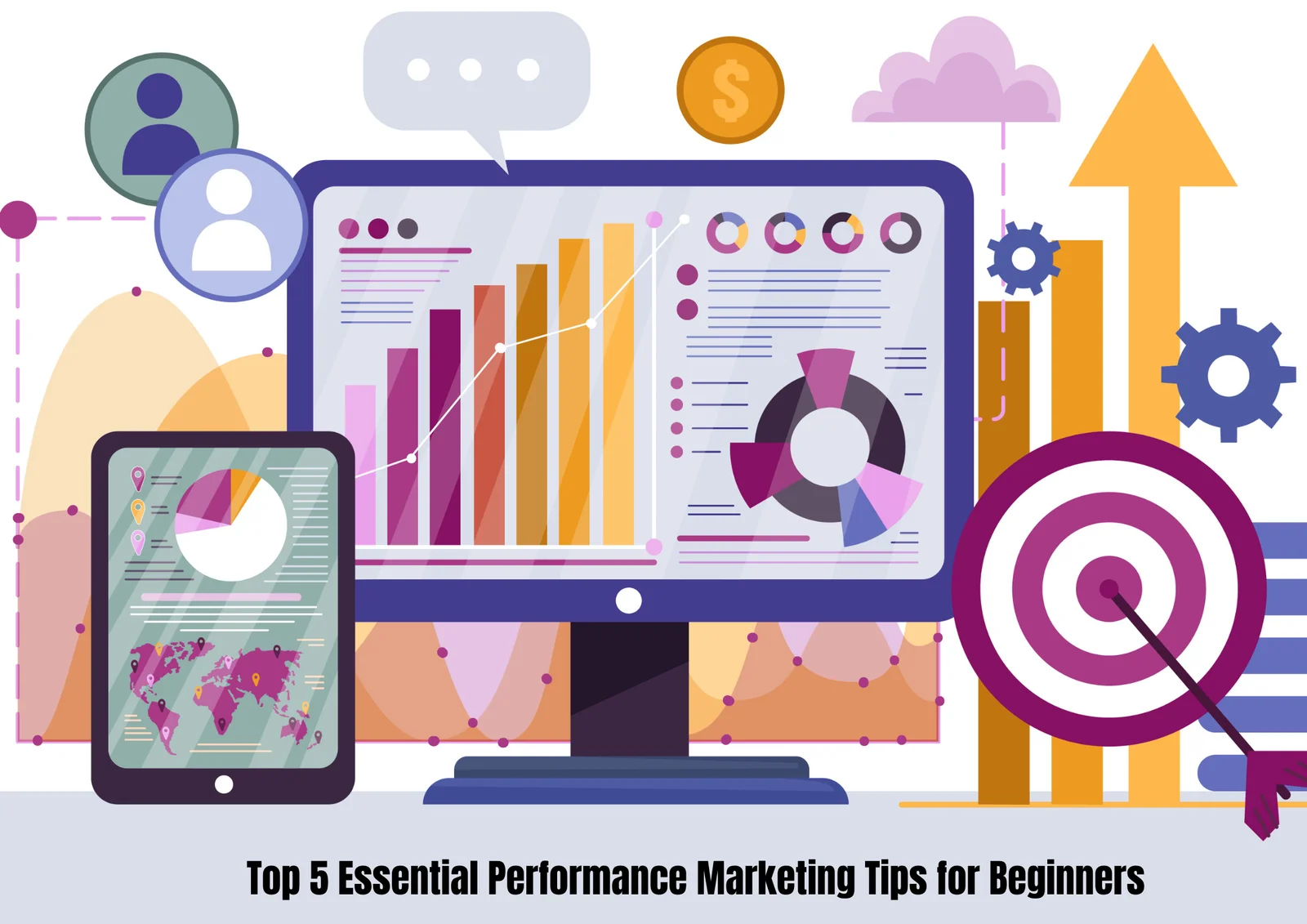
  • Top 5 Essential Performance Marketing Tips for Beginners

    Top 5 Essential Performance Marketing Tips for Beginners

    Top 5 Essential Performance Marketing Tips for Beginners

    In today’s competitive digital landscape, businesses and marketers are constantly search for ways to improve their return on investment (ROI) and drive measurable results. Performance marketing has emerged as one of the most effective ways to achieve this, as the focuses on delivering results and tracking key metrics. If you’re a budding performance marketer or are looking to understand the basics of performance marketing, you’ve come to the right place.

    This beginner’s guide will walk you through the fundamentals of performance marketing, offering practical tips and best practices that you can implement to boost your marketing campaigns.

    What is Performance Marketing?

    performance marketing

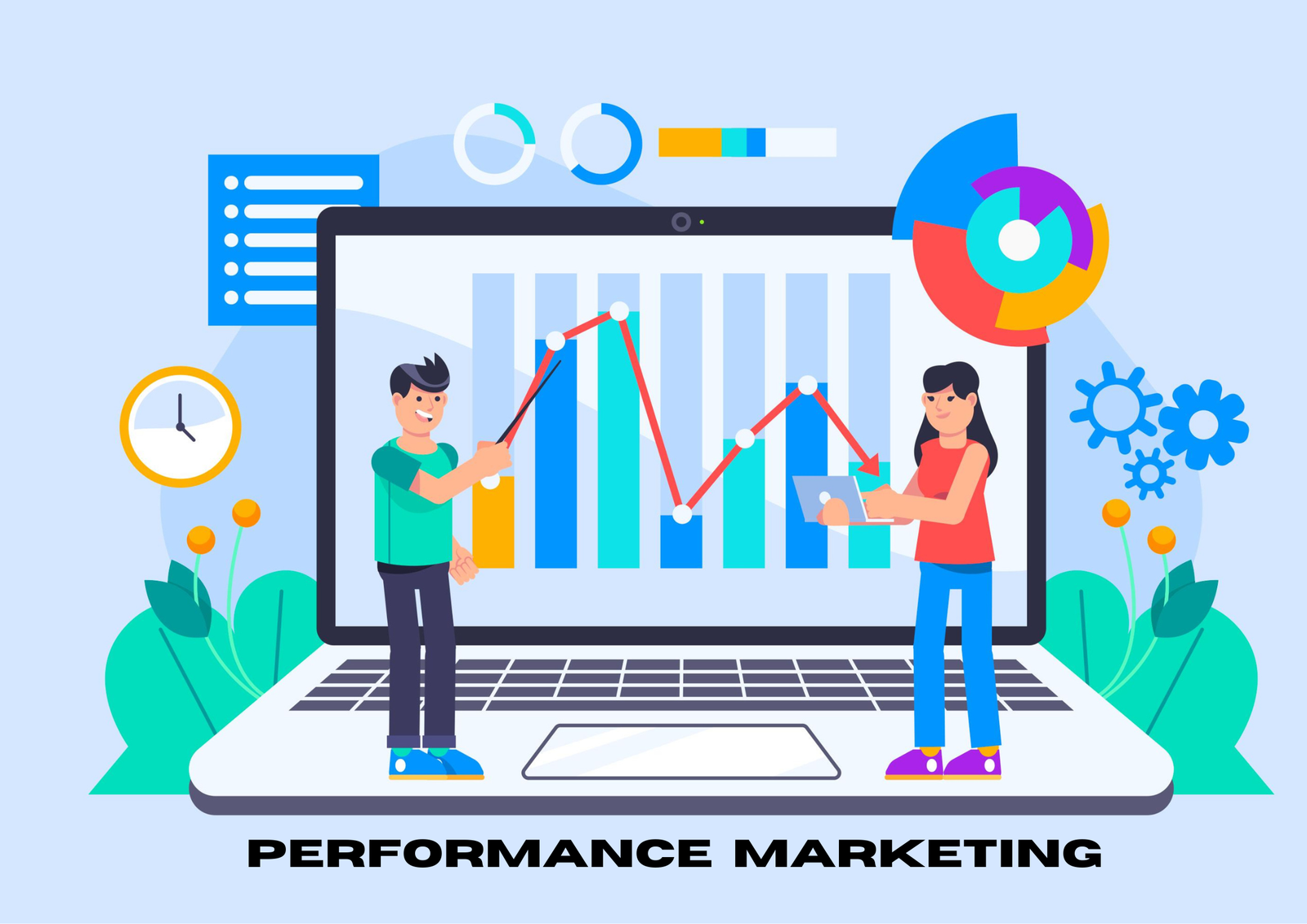
    Performance marketing refers to a type of digital marketing where advertisers pay for specific actions taken by the audience, such as clicks, conversions, sales, or leads. Unlike traditional marketing, which might involve spending money on ads with uncertain outcomes, performance marketing is focused on measurable results. This makes it a highly cost-effective approach for businesses of all sizes, as they only pay for successful outcomes.

    In performance marketing, common channels include affiliate marketing, pay-per-click (PPC) advertising, social media advertising, and influencer marketing, among others. The key difference between performance marketing and other forms of marketing is that the focus is on achieving tangible results tied to specific performance metrics.

    The Role of a Performance Marketer

    A performance marketer is a digital marketing professional who specializes in driving measurable results through various marketing channels. Their goal is to optimize campaigns to deliver the best ROI by utilizing data, testing, and continuously refining strategies.

    Performance marketers are responsible for the following:

    Defining Key Performance Indicators (KPIs): Establishing measurable goals like clicks, conversions, sales, and leads.
    Choosing the Right Channels: Deciding whether to use social media, search engines, affiliate programs, or other channels based on campaign goals.
    Budget Allocation: Distributing the marketing budget across various channels to maximize ROI.
    Tracking & Analysis: Constantly monitor campaign performance and adjust strategies as needed.
    Optimizing Campaigns: Using data and A/B testing to refine campaigns for better results.

    Key Tips for Performance Marketers

    If you’re new to performance marketing, here are some essential tips to help you succeed:

    1. Focus on Data-Driven Decisions

    The foundation of performance marketing is data. As a performance marketer, your decisions should be based on solid analytics rather than intuition. Use tools like Google Analytics, Facebook Ads Manager, or other reporting platforms to track the performance of your campaigns. Analyze metrics such as:

    Click-through rates (CTR)
    Conversion rates
    Cost per acquisition (CPA)
    Return on ad spend (ROAS)
    Customer lifetime value (CLV)
    By understanding these metrics, you can identify what’s working and what needs adjustment in your campaigns.

    2. Set Clear Goals and KPIs

    A successful performance marketing always starts with clear goals. Whether you’re focusing on brand awareness, lead generation, or direct sales, ensure that you define your KPIs. For instance, if your goal is lead generation, your KPI might be the number of qualified leads you generate within a specific period.

    Remember, your KPIs should align with the overall objectives of your business and be measurable over time.

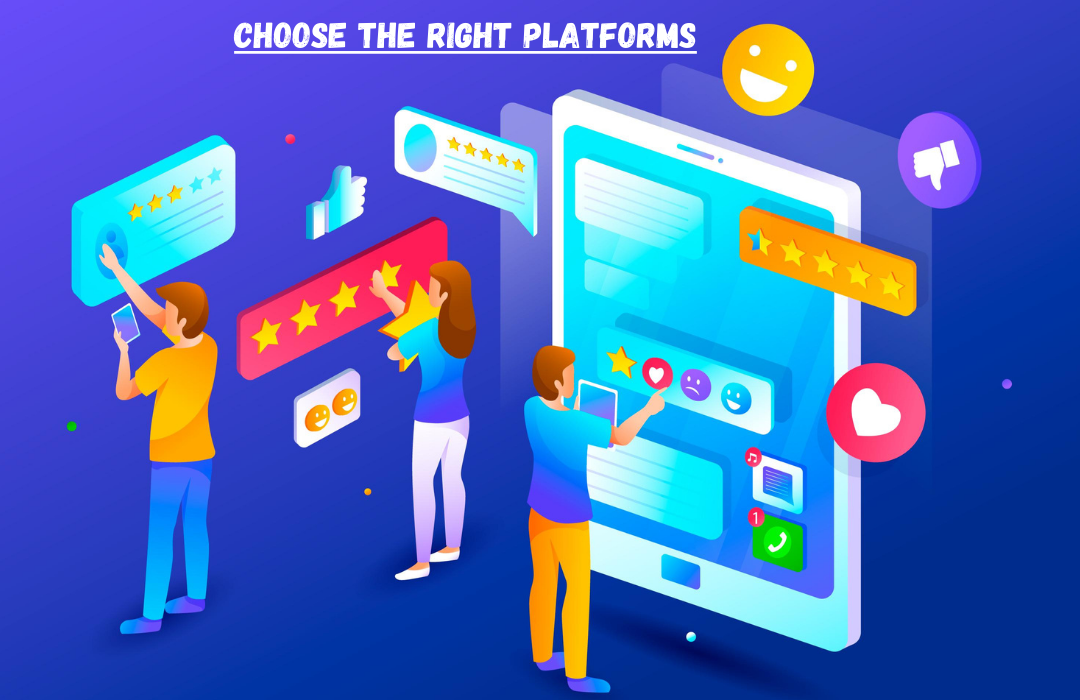
    3. Choose the Right Platforms

    performance marketing

    Different marketing channels yield different results. As a performance marketing, you need to select the right platform based on your target audience and campaign goals. Here are some options to consider:

    Google Ads (PPC): Ideal for targeting users based on search intent, perfect for lead generation or product sales.
    Facebook Ads: Great for targeting specific evidence and interests. Best for both lead generation and brand attention.
    Affiliate Marketing: Partnering with affiliates who drive traffic and conversions on a commission-based model. This is an excellent choice for e-commerce businesses.
    Influencer Marketing: Working with influencers who promote your brand in exchange for compensation or other perks. Influencers can help drive sales and increase visibility.

    4. Optimize Landing Pages for Conversions

    A high-quality, optimized landing page is crucial to the success of your performance marketing efforts. When users click on an ad, they should be directed to a landing page that is relevant, visually appealing, and designed to drive conversions.

    Ensure that your landing page:

    Has a clear call-to-action (CTA)
    Loads quickly
    Is mobile-responsive
    Provides valuable information relevant to the ad the user clicked
    Has a simple and user-friendly design
    The smoother the user experience on the landing page, the higher the likelihood of converting the visitor into a lead or customer.

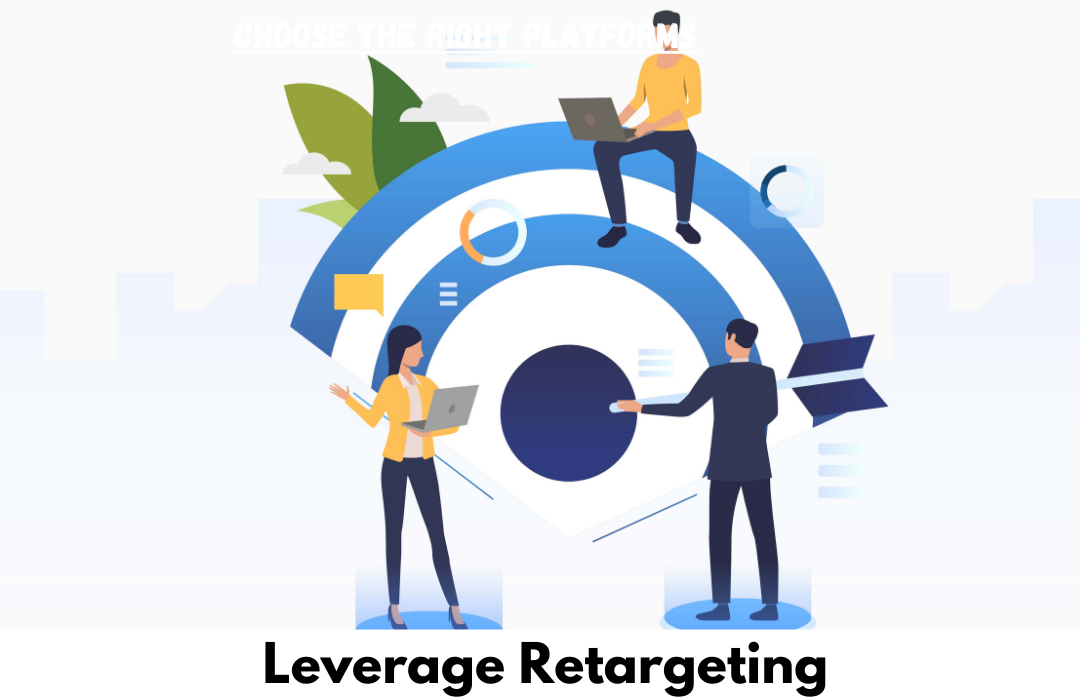
    5. Leverage Retargeting

    performance marketing


    Retargeting is an effective technique for performance marketers, as it allows you to target users who have already interacted with your brand but did not convert. By serving ads to these users again, you can increase your chances of turning them into paying customers.

    Platforms like Facebook, Google, and others provide robust retargeting options that let you follow up with visitors who abandon their carts, engage with your website, or interact with your content.

    Best Practices for Performance Marketers

    1. Keep Learning and Stay Updated

    The digital marketing landscape is constantly evolving, as a performance marketer, it’s essential to keep up with the latest trends , the tools, and techniques. Follow in blogs, attend webinars, and participate in industry events to stay informed

    2. Communicate Effectively with Your Team

    Collaboration is the key to  success Performance Marketing Tips for Beginners campaign. Whether you’re working with designers, copywriters, or developers, ensure that everyone is aligned with the campaign goals and timeline. Open communication leads to smoother execution and better results.

    3.Click Through Rate:Top 5 Mistakes That Ruin Ad Performance

    Click-through rate (CTR) measures user engagement by tracking how often viewers click on links versus how many see them.

    Conclusion

    Performance marketing offers a wealth of opportunities for marketers who are willing to dive into data, analyze results, and optimize their campaigns. As a performance marketer, your focus on measurable results, efficient budget allocation, and continuous testing will lead you toward success. By following the tips and best practices outlined in this guide, you’ll be well on your way to running successful, high-performing campaigns that drive tangible results. Remember, the key is to always keep in the learning and adapting to the ever-changing world of the performance marketing.


    Tags :
    Author : Arun AK

    Consectetur sollicitudin cubilia facilisis lobortis lacus a ac phasellus. Mus pulvinar enim suspendisse pharetra id commodo platea nunc aliquet.

    Learner of DigiSkillz, Digital Marketing Institute in Kochi.

  • Here are the top 10 benefits of talking a digital marketing course

    Here are the top 10 benefits of talking a digital marketing course

    Here are the top 10 benefits of talking a digital marketing course

    Today’s fast-paced, technology-driven world makes digital marketing a vital tool for businesses to reach their target audience. No matter whether you’re an aspiring marketer, a business owner, or someone looking to enhance their skills, taking a digital marketing course can offer numerous advantages. In this blog, we will explore the top 10 benefits of enrolling in a digital marketing course and how it can boost your career and business prospects.


    Stay Relevant in a Digital World:

    benefits of talking a digital marketing course

    benefits of talking a digital marketing course The digital landscape is constantly evolving, and traditional marketing techniques alone may not suffice in today’s competitive market. A digital marketing course equips you with the latest industry trends, tools, and strategies, helping you stay relevant in the dynamic online ecosystem.

    Diverse Career Opportunities:

    Digital marketing skills are highly sought after across a wide range of industries. Upon completing a digital marketing course, you can explore diverse career opportunities such as social media manager, content strategist, SEO specialist, email marketing manager, and more.

    Improve Your Marketability:

    Employers value individuals who possess up-to-date digital marketing knowledge and skills. Adding a digital marketing certification to your resume enhances your marketability and can give you an edge over other candidates in the job market.

    in today’s fast-paced and technology-driven world, staying relevant is a constant challenge, especially in the digital realm.

    The growth of the internet and the widespread use of smartphones have revolutionized how we communicate, access information, and conduct business. As a result, traditional marketing methods have taken a backseat, making way for the dynamic landscape of digital marketing.

    To stay relevant in this digital world, individuals and businesses must embrace the power of digital marketing and adapt their strategies accordingly. One effective way to achieve this is by enrolling in a comprehensive digital marketing course. These courses offer valuable insights into the latest industry trends, tools, and techniques, ensuring that you stay at the forefront of digital marketing practices.

    The ever-evolving digital landscape demands continuous learning and upskilling. By enrolling in a digital marketing course, you gain access to expert-led training and hands-on experiences, enabling you to develop relevant and in-demand skills. Whether you are a marketing professional looking to enhance your expertise or a business owner seeking to expand your online presence, a digital marketing course can be a game-changer.

    Furthermore, digital marketing courses help you explore diverse career opportunities in various industries. The skills acquired during the course, such as social media management, content creation, search engine optimization (SEO), and data analysis, are highly sought-after by employers. These courses can significantly boost your marketability and open doors to exciting career prospects.

    For businesses, embracing digital marketing through effective strategies can lead to enhanced online visibility, increased customer engagement, and improved sales. Learning how to leverage different digital channels enables businesses to connect with their target audience more effectively and build stronger brand loyalty.

    Moreover, digital marketing courses emphasize the importance of data-driven decision-making. With the ability to track and analyze real-time data, businesses can optimize their marketing efforts and identify areas of improvement. This data-driven approach leads to more successful and cost-effective marketing campaigns. learn more about benefit of digital marketing course

    Enhance Your Business’s Online Presence: 

    benefits of talking a digital marketing course

    For entrepreneurs and business owners, benefits of taking a digital marketing course can be a game-changer. Learning how to leverage different digital channels enables you to enhance your online presence, attract more customers, and increase revenue.

    Cost-Effectiveness: Compared to traditional advertising methods, digital marketing is often more cost-effective. A well-planned digital marketing campaign can yield excellent results, even on a limited budget. Understanding these cost-effective strategies through a course can benefit businesses of all sizes.

    In the modern business landscape, establishing a strong online presence has become essential for success. With the majority of consumers turning to the internet to research products, services, and brands, having a robust online presence can significantly impact your business’s growth and visibility. Enhancing your business’s online presence goes beyond merely having a website; it involves strategic planning and execution across various digital channels. Here are some key aspects to consider when working towards bolstering your business’s online presence:

    Optimized Website:

    Your website serves as the virtual storefront for your business. Ensure it is user-friendly, visually appealing, and optimized for mobile devices. Implement search engine optimization (SEO) techniques to improve its visibility in search engine results and drive organic traffic.

    Content Strategy:

    Creating high-quality and valuable content is essential for engaging your target audience. Develop a content strategy that includes blog posts, articles, videos, infographics, and other formats that resonate with your audience and address their needs and interests.

    Social Media Presence:

    Leverage the power of social media platforms to connect with your audience, build brand awareness, and foster customer engagement. Choose the platforms where your target audience is most active, and consistently share relevant content to maintain an active presence.

    Email Marketing: Building an email list allows you to establish direct communication with your customers. Use email marketing campaigns to share updates, promotions, and personalized content that adds value to your subscribers.

    Search Engine Marketing (SEM):

    Complement your SEO efforts with SEM, which involves paid advertising on search engines like Google. This can help drive targeted traffic to your website and improve visibility, especially during product launches or seasonal promotions. learn more about seo

    Influencer Marketing:

    Collaborate with influencers or industry experts who align with your brand to reach a broader audience. Influencers can help endorse your products or services and boost credibility.

    Webinars and Virtual Events:

    Host webinars or virtual events on topics relevant to your industry to showcase your expertise and engage with your audience in real-time.

    Customer Support:

    Provide excellent customer support through various channels, including social media, live chat, and email. 

    Monitor Analytics:

    benefits of talking a digital marketing courseRegularly monitor website analytics, social media insights, and other relevant data to assess the performance of your online efforts. Use this data to refine your strategies and focus on what works best for your business.

    Track and Analyze Results:

    Digital marketing offers the advantage of real-time data analysis. With a digital marketing course, you will learn how to track and analyze various metrics, enabling you to make data-driven decisions and optimize your marketing efforts for better results.

    Engage with Your Target Audience:

    A successful marketing campaign involves engaging with your target audience effectively. Digital marketing courses teach you how to identify and understand your audience better, allowing you to create personalized content and experiences that resonate with them.

    Tracking and analyzing results is a crucial aspect of any successful digital marketing campaign. In the fast-paced and data-driven world of digital marketing, having access to real-time data empowers businesses to make informed decisions, optimize their strategies, and drive better outcomes. Here’s a breakdown of the key steps involved in tracking and analyzing results in digital marketing:

    Defining Key Performance Indicators (KPIs):

    Before launching any digital marketing campaign, it’s essential to establish clear and measurable KPIs. These KPIs should align with your overall marketing goals and help you gauge the success of your efforts. Common KPIs include website traffic, conversion rates, click-through rates (CTR), lead generation, and return on investment (ROI).

    Implementing Analytics Tools:

    To track and measure the performance of your digital marketing efforts, you need to implement robust analytics tools. Google Analytics is a popular choice for tracking website traffic, user behavior, and conversions. Social media platforms also offer built-in analytics for tracking engagement metrics on posts and advertisements.

    Setting Up Conversion Tracking:

    Conversion tracking is crucial for understanding which marketing channels and campaigns are driving desired actions on your website, such as purchases, form submissions, or sign-ups. Implement conversion tracking codes correctly to attribute conversions accurately.

    Monitoring Website Traffic: 

    benefits of talking a digital marketing courseRegularly monitor website traffic to gain insights into user behavior. Analyze the sources of traffic (organic, direct, social, paid), popular landing pages, and bounce rates to understand how visitors interact with your website.



    Analyzing Social Media Engagement:

    Social media platforms provide valuable data on how users engage with your content. Track metrics such as likes, comments, shares, and click-throughs to measure the effectiveness of your social media campaigns.

    Email Marketing Metrics:

    For email marketing campaigns, track metrics like open rates, click-through rates, and unsubscribe rates. This data will help you optimize email content and segmentation to improve engagement.

    A/B Testing: Experiment with A/B testing to compare the performance of different elements in your marketing campaigns, such as ad creatives, subject lines, or landing page layouts. This iterative process allows you to identify what resonates best with your audience.

    Attribution Models:

    Use attribution models to understand the contribution of each marketing channel to conversions. Different models, such as first-click, last-click, or multi-touch attribution, offer various insights into the customer journey.

    Data Analysis and Reporting:

    Regularly analyze the collected data to identify trends, patterns, and areas for improvement. Create comprehensive reports that highlight the performance of your campaigns and use these insights to make data-driven decisions.

    Continuous Optimization:

    Use the data and insights gained from tracking and analysis to optimize your digital marketing strategies continually. Implement changes, refine your approach, and adapt to the evolving needs of your audience.

    Adaptability and Flexibility:

    benefits of talking a digital marketing course

     The digital marketing landscape is versatile and ever-changing. A digital marketing course equips you with adaptable skills that can be applied to different platforms and industries. This versatility ensures you can thrive in a rapidly evolving digital environment.

    In the dynamic world of digital marketing, adaptability and flexibility are two qualities that can make a significant difference in achieving success. The digital landscape is constantly evolving, with new technologies, trends, and consumer behaviors emerging regularly. Businesses and marketers must be quick to adapt to these changes and remain flexible in their strategies to stay relevant and competitive. Here’s why adaptability and flexibility are crucial in digital marketing:

    Changing Consumer Behavior: 

    Consumer behavior in the digital space can shift rapidly due to various factors such as technological advancements, societal changes, or global events. Being adaptable allows marketers to understand and respond to these shifts effectively.

    Emergence of New Platforms and Technologies:

    New digital platforms and technologies are continually entering the market. An adaptable approach allows marketers to explore and utilize these platforms to reach their target audience more effectively.

    Algorithm Updates and Policy Changes:

    Major digital platforms often update their algorithms and policies, impacting how content is distributed and displayed. Flexibility helps marketers adjust their strategies to align with these changes and maintain visibility.

    Catering to Diverse Audiences:

    Digital marketing campaigns may target diverse audience segments. Adaptability allows marketers to tailor their messaging and content to resonate with specific groups, increasing engagement and conversions.

    Seasonal and Trending Opportunities:

    Trends and seasonal events can provide valuable marketing opportunities. Flexibility enables marketers to capitalize on these moments and create timely and relevant campaigns. learn more

    Performance Optimization:

    Digital marketing campaigns require ongoing optimization. Being adaptable allows marketers to analyze performance data and make necessary adjustments to improve results.

    Crisis Management and Response:

    During challenging times or crises, adaptability is crucial for businesses to pivot their strategies and messaging sensitively.

    Experimentation and Innovation:

    benefits of talking a digital marketing course

     Flexibility fosters a culture of experimentation and innovation. Marketers can try new approaches, learn from successes and failures, and refine their strategies accordingly.

    Customer-Centric Approach:

    An adaptable and flexible mindset puts the customer at the center. Understanding and responding to customer needs and preferences lead to more effective and customer-centric campaigns

    Build Stronger Brands:

    A well-executed digital marketing strategy can help build a stronger brand presence and improve brand reputation. By learning the best practices in branding and online communication, you can establish your brand as an authority in the industry.

    Foster Creativity and Innovation:

    Digital marketing is a creative field that encourages innovative thinking. Through a benefits of talking a digital marketing course,  you can nurture your creativity and discover new ways to engage your audience, fostering a culture of innovation within your marketing efforts.

    Building a stronger brand is a fundamental objective for businesses seeking to create a lasting and meaningful impact on their target audience. A strong brand not only distinguishes a business from its competitors but also fosters trust, loyalty, and emotional connections with customers. Here are some key strategies to build a stronger brand:

    Understand what sets your brand apart and craft a compelling brand story that resonates with your target audience.

    Consistent Branding: Consistency is vital for building a strong brand. Ensure that your brand elements, such as logo, color palette, typography, and tone of voice, remain consistent across all marketing channels and touchpoints..

    Emphasize Brand Experience: Focus on delivering a consistent and positive brand experience at every customer touchpoint, whether it’s through your website, social media, customer service, or physical stores. Positive experiences lead to brand loyalty and advocacy.

    Engage on Social Media:

    Utilize social media platforms to engage with your audience directly. Respond to comments, messages, and feedback promptly, and foster a sense of community around your brand.

    Incorporate User-Generated Content: Encourage customers to share their experiences with your brand through user-generated content (UGC). UGC adds authenticity to your brand and builds trust among potential customers. how to increase social media followers 

    Partner with Influencers:benefits of talking a digital marketing course

    Monitor and Adapt:

    Continuously monitor customer feedback, market trends, and competitor activities. Use this data to adapt your branding strategies and stay relevant in a constantly changing marketplace.

    Build Brand Advocates:

    Satisfied customers can become powerful brand advocates. Encourage customers to share their positive experiences and reviews, and reward loyalty to strengthen brand advocacy.

    Storytelling through Content:

    Utilize content marketing to tell your brand’s story effectively. Engaging and authentic storytelling can create emotional connections with your audience.

    Conclusion:

    Investing in a benefits of talking a digital marketing course offers a wide array of benefits, regardless of your career stage or business venture. From staying updated with the latest trends to improving marketability and fostering creativity, the advantages of such a course are numerous. So, take the leap, embark on a digital marketing journey, and unlock new possibilities for personal and professional growth.

    Tags :
    Author : Swetha

    Consectetur sollicitudin cubilia facilisis lobortis lacus a ac phasellus. Mus pulvinar enim suspendisse pharetra id commodo platea nunc aliquet.

    Learner of DigiSkillz, Digital Marketing Institute in Kochi.

  • Factors Affecting Digital Marketing Salaries

    Factors Affecting Digital Marketing Salaries

    Factors Affecting Digital Marketing Salaries

    In the ever-changing world of modern business, digital marketing salaries play crucial roles in  driving growth, visibility, and engagement for companies across industries. As traditional marketing methods make way for digital strategies, the demand for skilled digital marketers has significantly increased. This trend is not merely a reflection of shifting consumer behavior towards online platforms but also underscores the critical role of digital marketing salaries in achieving organizational objectives in the digital age.

    Recent studies highlight a strong increase in the demand for digital marketing professionals, with roles extending over from content strategists to SEO specialists and data analysts. The median digital marketing salaries for positions, ranging from entry-level to senior roles, reflect both the industry’s recognition of these professionals’ value and the competitive landscape they navigate.

    This blog explores the various factors that influence the field of digital marketing salaries. Specifically, it explores how experience levels, geographic locations, industry sectors, and professional certifications play pivotal roles in shaping compensation packages within the digital marketing sphere. Understanding these determinants is crucial not only for professionals seeking to optimize their earning potential but also for organizations aiming to attract and retain top talent in this dynamic field.

    digital marketing salaries

    1.Experience

    Experience in digital marketing encompasses a spectrum of skills and years dedicated to mastering various facets of digital marketing salaries online marketing. Entry-level positions typically require foundational skills in areas like social media management, content creation, and basic SEO tactics, with salaries reflecting this foundational knowledge.

    According to industry data, entry-level digital marketing salaries professionals with 0-2 years of experience often command salaries ranging from $45,000 to $60,000 annually, depending on the geographic location and specific industry demands.

    Moving into mid-level roles, professionals with 3-5 years of experience show proficiency in campaign management, data analysis, and strategic planning, leading to digital marketing salaries increase to approximately $65,000 to $90,000 per year.

    Senior digital marketing salary marketers, boasting 6+ years of experience, not only demonstrate mastery in advanced SEO, PPC, and CRM tools but also possess leadership qualities to oversee entire marketing strategies. Salaries for senior roles typically start from $95,000 and can exceed $120,000 annually, with additional bonuses and benefits often included based on performance metrics and company size.

    These digital marketing salary ranges illustrate how experience progressively enhances earning potential within the digital marketing field, aligning with increased responsibilities and strategic contributions over time. Understanding digital marketing salaries trends and factors influencing pay levels is crucial for navigating career growth in this dynamic industry.

    digital marketing salaries

    2. Location

    Location plays a crucial role in shaping salaries within the digital marketing industry, highlighting significant disparities between urban and rural areas as well as across developed and developing countries.

    In urban centers such as New York City or San Francisco, where the cost of living is higher and demand for digital marketing expertise is robust, salaries for digital marketing professionals can substantially exceed national averages. For instance, digital marketers in metropolitan areas may earn between $70,000 to $100,000 annually at the mid-level, reflecting the competitive landscape and high demand for specialized skills.

    Conversely, in rural settings or less economically developed regions, digital marketing salaries for comparable positions could range significantly lower, often starting around $45,000 to $60,000 annually, adjusted for the local cost of living and demand-supply dynamics. Factors influencing these regional digital marketing salary disparities include the availability of skilled talent, local business demands, and the overall economic climate.

    Understanding these geographic variations is essential for digital marketers when evaluating career opportunities and negotiating digital marketing salary compensation packages that align with both professional growth aspirations and regional economic realities.

    digital marketing salaries

    3. Industry

    The industry in which digital marketers are employed significantly impacts their salaries, with certain sectors offering higher compensation than others. Industries such as technology, finance, and healthcare are known for their robust digital marketing budgets and high demand for specialized expertise, resulting in higher salary ranges for digital marketing professionals. 

    For example, digital marketers in the tech industry often command salaries starting from $80,000 to over $100,000 annually, driven by the rapid pace of innovation and continuous digital transformation initiatives. In contrast, sectors like retail or non-profit organizations may offer lower salaries, typically ranging from $50,000 to $70,000 per year, reflecting comparatively smaller marketing budgets and different strategic priorities.

    Industry trends, such as the rise of e-commerce in retail or telemedicine in healthcare, profoundly impact digital marketing roles by emphasizing skills in data analytics, customer segmentation, and personalized marketing campaigns. These evolving demands not only influence job responsibilities but also contribute to salary adjustments as organizations prioritize digital initiatives to remain competitive within their respective sectors.

    Understanding these industry-specific dynamics allows digital marketers to strategically position themselves for career advancement and financial growth within sectors aligned with their skills and professional aspirations. This strategic positioning ensures that digital marketing professionals can leverage industry-specific trends to maximize their digital marketing salary potential.

    digital marketing salaries

    4. Certifications and Education

    Certifications and formal education play a pivotal role in enhancing digital marketers’ earning potential and competitiveness in the job market, particularly in terms of digital marketing salaries. Specific certifications, such as Google Ads and HubSpot certifications, are highly valued in the industry for demonstrating proficiency in key digital marketing tools and strategies. 

    For instance, professionals holding Google Ads certifications showcase their expertise in managing pay-per-click advertising campaigns effectively, which can lead to higher starting salaries and career advancement opportunities. Similarly, HubSpot certifications validate proficiency in inbound marketing methodologies, CRM software usage, and content strategy development, all of which are increasingly crucial in today’s digital landscape.

    Employers often view these certifications as indicators of specialized skills and commitment to ongoing professional development, which positively influences salary negotiations for digital marketers. By acquiring recognized certifications and staying updated with industry trends, digital marketers can differentiate themselves from competitors, expand their skill set, and maximize their earning potential in a competitive job market driven by digital innovation. This strategic approach not only enhances their proficiency in digital marketing but also positions them for higher digital marketing salaries ranges aligned with their expertise and credentials.

    digital marketing salaries

    5. Skills and Specializations

    Within the realm of digital marketing, certain specialized skills are particularly prized for their ability to command higher salaries and open doors to lucrative career opportunities. Skills such as search engine optimization (SEO), pay-per-click (PPC) advertising, and social media marketing are among the most sought-after in the industry, impacting digital marketing salary expectations.

    Professionals adept in SEO techniques, for example, can significantly enhance a company’s online visibility and organic traffic, translating into salaries ranging from $60,000 to $90,000 annually at mid-level positions. Similarly, PPC specialists proficient in managing ad campaigns across platforms like Google Ads and Facebook Ads often earn competitive salaries due to their ability to drive immediate, targeted traffic to websites. Social media marketing expertise, encompassing strategy development, content creation, and community management, also commands high salaries, typically ranging from $55,000 to $80,000 annually, reflecting the pivotal role of social platforms in modern marketing strategies.

    Staying updated with industry trends and technological advancements is crucial for digital marketers aiming to maintain their competitive edge and digital marketing salary potential. Trends such as the growing importance of video marketing, the rise of voice search optimization, and the integration of artificial intelligence in marketing automation continue to reshape the digital landscape.

    By acquiring niche specializations aligned with these evolving trends, such as video marketing production skills or AI-driven data analytics, professionals can position themselves as indispensable assets to employers seeking innovative solutions. This strategic approach not only enhances job security but also opens doors to higher-paying opportunities in sectors at the forefront of digital innovation, ensuring sustained growth and relevance in the dynamic field of digital marketing.

    digital marketing salaries

    6. Gender and Diversity

    Gender and diversity issues persistently influence digital marketing salaries, reflecting broader societal disparities within the workplace. Studies consistently reveal that women and minorities in digital marketing often face lower compensation compared to their male counterparts, even when possessing similar qualifications and experience levels. For instance, while men might earn an average of $70,000 annually in digital marketing roles, women might earn $10,000 less for the same position. Moreover, minorities, including ethnic and racial groups, often encounter additional barriers that contribute to wage gaps, perpetuating inequalities within the industry, including digital marketing salary discrepancies.

    To address these disparities, various initiatives and strategies are being implemented to promote pay equity in digital marketing. Companies are increasingly adopting transparent salary policies and conducting regular pay audits to identify and rectify any gender or diversity-related digital marketing salary discrepancies.

    Additionally, there is a growing emphasis on diversity and inclusion training programs to foster awareness and sensitivity among hiring managers and decision-makers. Organizations are also actively promoting mentorship and leadership opportunities for underrepresented groups to support career advancement and mitigate digital marketing salaries disparities over time.

    Furthermore, advocacy groups and professional associations within the digital marketing community are advocating for legislative changes that prioritize pay equity and provide recourse for victims of wage discrimination. By collectively addressing these challenges and promoting a culture of fairness and equality, the digital marketing industry can create a more inclusive and rewarding environment for all professionals, regardless of gender or minority status, thereby enhancing overall workforce diversity and prosperity in terms of digital marketing salary equality.

    digital marketing salaries

    In conclusion, several key factors significantly influence digital marketing salaries, making it essential for professionals in this field to grasp their implications for career planning and digital marketing salary negotiations. Experience stands out as a critical determinant, with entry-level positions starting around $45,000 annually and senior roles potentially exceeding $120,000, reflecting progressive skill development and strategic responsibilities over time.

    Location also plays a pivotal role, with urban centers typically offering higher digital marketing salaries due to increased demand and higher living costs compared to rural areas. Industries like technology and finance lead in salary offerings, often starting from $80,000 annually, whereas sectors like retail or non-profit may offer lower starting points around $50,000.

    Certifications, such as Google Ads and HubSpot, further enhance digital marketing earning potential by validating specialized skills and demonstrating commitment to professional growth. As digital marketing evolves with technological advancements and industry trends, staying updated is crucial for maintaining competitiveness and leveraging niche specializations that command higher digital marketing salaries.

    Looking ahead, the future outlook for digital marketing salaries appears promising amidst rapid industry growth and continued digital transformation across sectors. Professionals who continuously hone their skills, adapt to emerging trends, and strategically navigate these influencing factors will be well-positioned to capitalize on evolving opportunities in the dynamic field of digital marketing. 

    Understanding and leveraging these factors will not only empower individuals in their career trajectories but also contribute to shaping a more robust and equitable digital marketing industry landscape in the years to come, especially concerning digital marketing salaries trends.

    Tags :
    Author : Sana Stanly

    Consectetur sollicitudin cubilia facilisis lobortis lacus a ac phasellus. Mus pulvinar enim suspendisse pharetra id commodo platea nunc aliquet.

    Learner of DigiSkillz, Digital Marketing Institute in Kochi.

  • The Battle of Strategies: Digital Marketing vs Traditional Marketing

    The Battle of Strategies: Digital Marketing vs Traditional Marketing

    The Battle of Strategies: Digital Marketing vs Traditional Marketing

    In the rapidly evolving landscape of business, one of the most critical decisions that companies face is choosing the right marketing strategy. The debate between Digital Marketing and Traditional Marketing has become increasingly relevant as businesses strive to maximize their reach, engagement, and return on investment (ROI). Understanding the nuances of both approaches is essential for making informed decisions that align with your business goals. This blog will delve into the key differences, advantages, and considerations when it comes to digital Marketing vs traditional Marketing.

    The Foundation of Traditional Marketing

    The Battle of Strategies

    This approach includes various methods such as television and radio commercials, print advertisements in newspapers and magazines, billboards, direct mail, and telemarketing. These techniques have proven effective in reaching a broad audience, particularly in a local context.

    In the battle of digital marketing vs traditional marketing, traditional methods offer the advantage of tangibility. A physical billboard or a printed brochure provides a sensory experience that digital formats can’t replicate. Moreover, traditional marketing often holds a sense of credibility and trustworthiness, especially among older demographics who are more familiar with these channels.

    However, traditional marketing has its limitations. One of the most significant challenges is the lack of precise targeting. A TV ad, for example, is broadcast to a wide audience, but it’s difficult to ensure that it reaches the specific demographic that might be interested in your product or service. Additionally, measuring the effectiveness of traditional marketing campaigns can be challenging, as there are fewer tools available to track engagement and conversions.

    The Rise of Digital Marketing

    The Battle of Strategies

    On the other side of the Digital Marketing vs Traditional Marketing, debate is digital marketing—a modern approach that leverages the internet and digital platforms to reach and engage with customers. Digital marketing includes strategies such as search engine optimization (SEO), social media marketing, content marketing, email marketing, and pay-per-click (PPC) advertising.

    The strength of digital marketing lies in its precision and measurability. In the context of Digital Marketing vs Traditional Marketing, digital marketing allows businesses to target specific audiences based on factors like age, location, interests, and online behavior. For instance, a social media ad can be designed to reach a niche group of users who have shown interest in similar products or services.

    Furthermore, digital marketing offers unparalleled data and analytics. Every click, view, and interaction can be tracked in real-time, providing businesses with valuable insights into the performance of their campaigns.

    Despite its many advantages, digital marketing also has its challenges. The digital space is crowded and highly competitive, making it essential for businesses to stand out with compelling content and creative strategies. Additionally, digital marketing requires a continuous investment in time and resources to keep up with changing algorithms, trends, and technologies.

    Comparing Reach: Digital Marketing vs Traditional Marketing

    The Battle of Strategies

    When evaluating Digital Marketing vs Traditional Marketing, reach is a crucial factor to consider. Traditional marketing methods, such as TV ads or billboards, can reach a vast audience quickly. A national TV commercial, for example, has the potential to be seen by millions of people, making it an effective tool for building brand awareness.

    However, in the Digital Marketing vs Traditional Marketing debate, digital marketing offers a more targeted approach. Instead of broadcasting a message to a general audience, digital marketing allows businesses to tailor their campaigns to specific groups. For example, an online retailer can use digital marketing to target ads to users who have previously visited their website or searched for similar products. This targeted reach increases the likelihood of conversion and ensures that marketing efforts are focused on the most relevant audiences.

    Cost and ROI: Digital Marketing vs Traditional Marketing

    The Battle of Strategies

    Cost is another important consideration in the Digital Marketing vs Traditional Marketing discussion. Traditional marketing methods can be expensive, particularly for small businesses. The cost of producing a TV commercial, printing brochures, or placing a full-page ad in a magazine can add up quickly. Moreover, the ROI for traditional marketing is often harder to measure, making it challenging to justify the investment.

    In contrast, digital marketing is generally more cost-effective, especially for businesses with limited budgets. In the digital marketing vs traditional marketing comparison, digital marketing allows for more control over spending. For example, businesses can set daily budgets for PPC campaigns, ensuring that they don’t exceed their marketing budget. Additionally, the ability to track ROI in real time means that businesses can quickly adjust their strategies to maximize results.

    Flexibility and Adaptability: Digital Marketing vs Traditional Marketing

    The Battle of Strategies

    Flexibility is another area where digital marketing has a significant advantage in the Digital Marketing vs Traditional Marketing battle. Traditional marketing campaigns often require a long lead time and are difficult to change once they are in motion. For example, if a print ad is found to be ineffective, there is little that can be done to alter it until the next issue is printed.

    On the other hand, digital marketing campaigns can be adjusted on the fly. If a social media ad isn’t performing as expected, businesses can tweak the content, change the targeting, or shift the budget to another campaign. This adaptability is a crucial advantage in today’s fast-paced market, where consumer preferences and trends can change rapidly.

    Measuring Success: Digital Marketing vs Traditional Marketing

    The Battle of Strategies

    The ability to measure success is a critical factor in the Digital Marketing vs Traditional Marketing discussion. Traditional marketing relies on indirect metrics such as increased foot traffic or sales, which can make it difficult to attribute results to specific campaigns. This lack of transparency can be a drawback for businesses looking to fine-tune their strategies.

    In contrast, digital marketing excels in providing detailed analytics. We can track them using many key metrics. The Digital Marketing vs Traditional Marketing debate often highlights that digital marketing platforms offer comprehensive data on user interactions, from website visits to social media engagement and email open rates. This data-driven approach allows businesses to make informed decisions, continually improve their strategies, and ultimately achieve better results.

    The Verdict: Digital Marketing vs Traditional Marketing

    The Battle of Strategies

    So, which strategy wins in the Digital Marketing vs Traditional Marketing battle? The answer depends on your business’s goals, target audience, and resources. For some businesses, traditional marketing methods may still hold significant value, particularly for reaching a local or older demographic. However, for those looking to engage a tech-savvy, global audience with precision and flexibility, digital marketing is likely the better choice.

    In many cases, the most effective strategy may be a combination of both. By understanding the strengths and weaknesses of Digital Marketing vs Traditional Marketing, businesses can create a balanced approach that leverages the best of both worlds. Whether you choose to invest in traditional methods, digital strategies, or a mix of both, the key is to remain adaptable and focused on what drives the best results for your business.

    Conclusion

    The battle between Digital Marketing and Traditional Marketing is ongoing, with each approach offering unique benefits and challenges. Ultimately, the choice between these strategies depends on your business’s specific needs and objectives. By carefully considering the differences and advantages of Digital Marketing vs Traditional Marketing, you can make informed decisions that will help your business thrive in a competitive marketplace.

    Tags :
    Author : Amalnath Unni

    Consectetur sollicitudin cubilia facilisis lobortis lacus a ac phasellus. Mus pulvinar enim suspendisse pharetra id commodo platea nunc aliquet.

    Learner of DigiSkillz, Digital Marketing Institute in Kochi.

  • Top 10 Digital Marketing Tools for 2026

    Top 10 Digital Marketing Tools for 2026

    Top 10 Digital Marketing Tools for 2026

    In the ever-evolving landscape of digital marketing, staying ahead of the competition requires the right tools to enhance your strategies and streamline your efforts. As we step into 2024, we have curated a comprehensive list of the top digital marketing tools that can empower your business to achieve its marketing goals effectively. These tools are designed to cater to various aspects of digital marketing, from SEO and content creation to social media management and analytics. Here, we present the top 10 digital marketing tools you need to leverage in 2024.

    1. SEMrush

    SEMrush  remains a powerhouse in the realm of SEO and competitive analysis and is widely recognized as one of the most effective digital marketing tools available today. This platform offers a robust suite of features, including keyword research, backlink analysis, site auditing, and competitor tracking. Its comprehensive dashboard allows marketers to analyze competitors’ strategies, uncover market trends, and identify new opportunities for growth. With SEMrush, businesses can enhance search engine rankings, optimize content performance, and drive more organic traffic, making it an essential solution among modern digital marketing tools.


    Digital Marketing Tools

    Key Features:

    • In-depth keyword research and analysis
    • Backlink tracking and auditing
    • Comprehensive site audits
    • Competitive analysis and market insights


    2. Ahrefs

    Ahrefs is another indispensable tool for SEO professionals. Known for its extensive backlink database, Ahrefs provides detailed insights into your website’s link profile and helps you identify high-quality link-building opportunities. Additionally, Ahrefs offers features like keyword research, content analysis, and rank tracking, making it a versatile tool for any digital marketer.

    Digital Marketing Tools

    Key Features:

    • Extensive backlink analysis
    • Keyword research and content gap analysis
    • Rank tracking and site audits
    • Competitor analysis and insights


    3. HubSpot

    HubSpot  is an all-in-one marketing platform and one of the most powerful digital marketing tools, integrating CRM, email marketing, content management, and social media management in a single solution. This platform is ideal for businesses looking to streamline their marketing efforts and automate repetitive tasks using advanced digital marketing tools. HubSpot’s user-friendly interface and robust features make it a favorite among marketers for managing campaigns, nurturing leads, and analyzing performance efficiently.

    Digital Marketing Tools

    Key Features:

    • CRM integration and lead management
    • Email marketing automation
    • Content management and blogging platform
    • Social media scheduling and monitoring
    • Detailed analytics and reporting


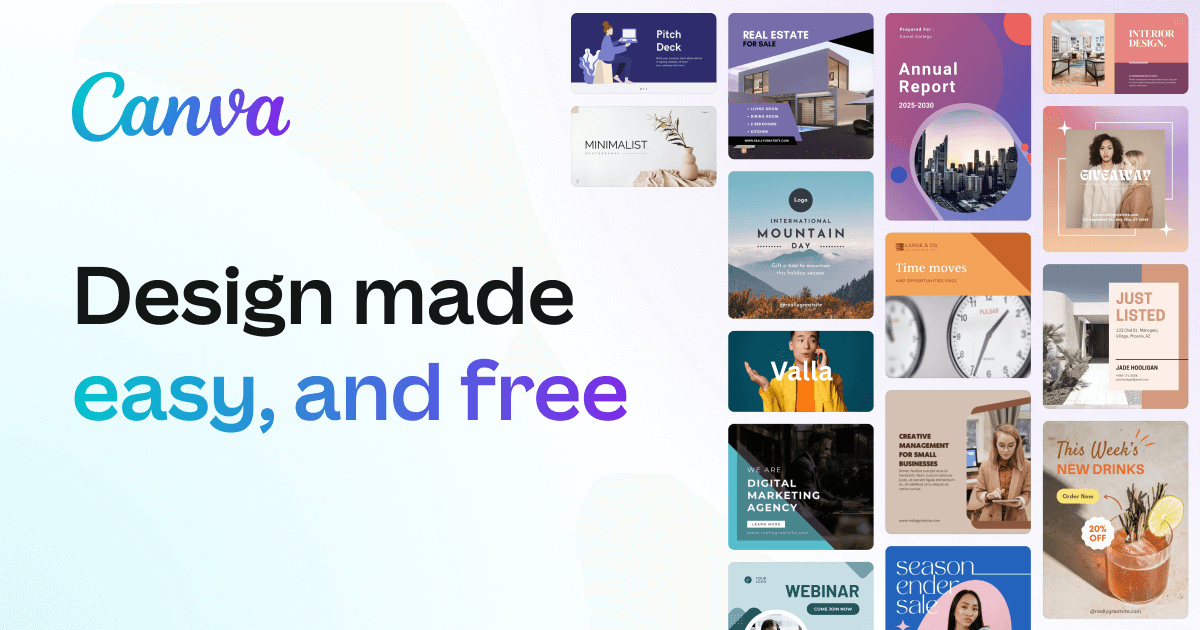
    4. Canva

    Canva is a must-have tool for creating stunning visuals and graphics. Whether you need social media posts, infographics, presentations, or marketing materials, Canva provides an intuitive design interface that even non-designers can use effectively. With a vast library of templates, images, and design elements, Canva helps you produce professional-quality visuals that enhance your marketing efforts.

    Digital Marketing Tools


    Key Features:

    • Easy-to-use design interface
    • Extensive library of templates and design elements
    • Collaboration tools for team projects
    • Export options for various formats and platforms


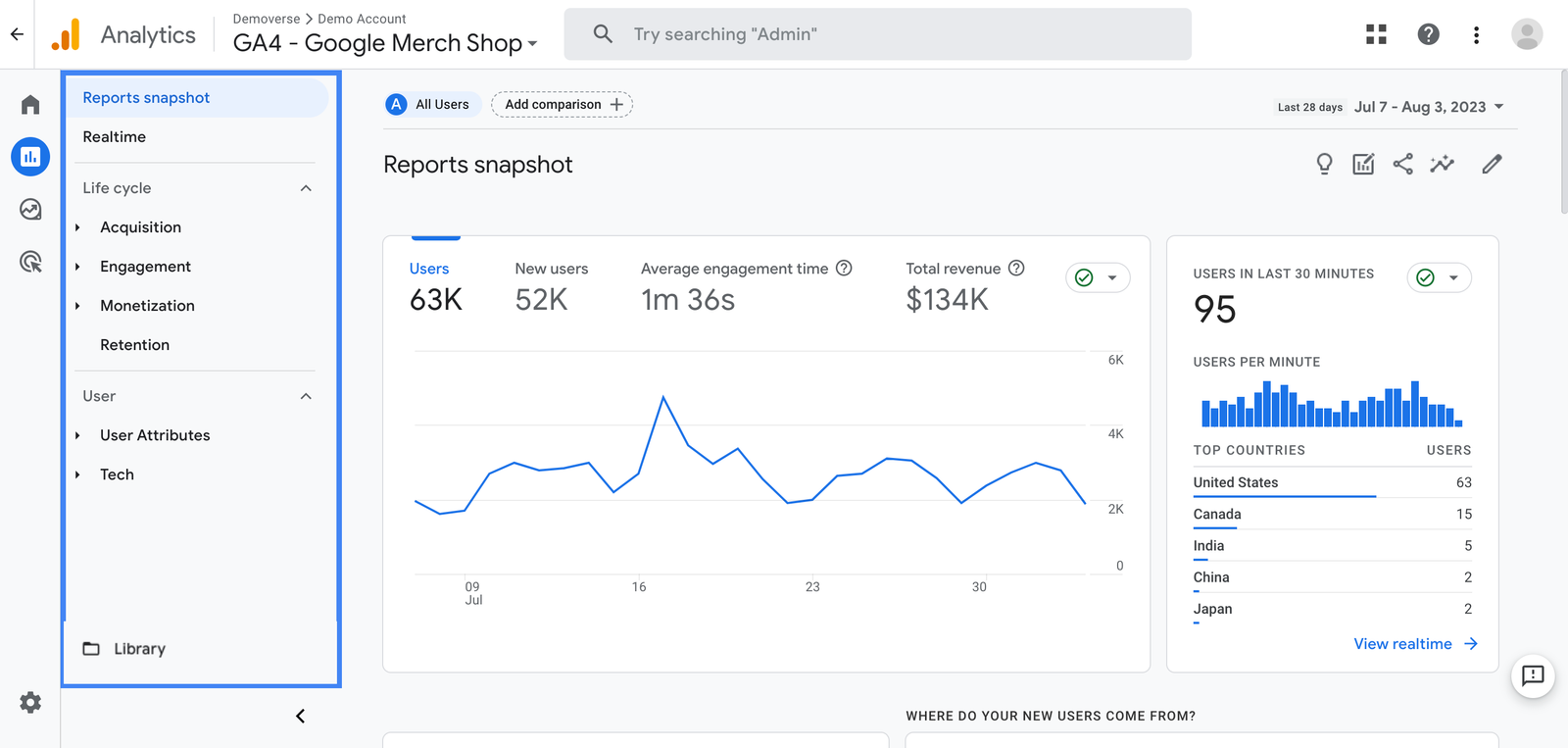
    5. Google Analytics

    Google Analytics is a cornerstone tool for website analytics and performance tracking. This free tool offers detailed insights into your website traffic, user behavior, and conversion metrics. By understanding how visitors interact with your site, you can make data-driven decisions to optimize your marketing strategies and improve your website’s performance.

    Digital Marketing Tools

    Key Features:

    • Comprehensive website traffic analysis
    • User behavior tracking and reporting
    • Conversion tracking and goal setting
    • Integration with other Google tools and platforms


    6. Hootsuite

    Hootsuite is a leading tool for social media management. It allows you to schedule and publish posts across multiple social media platforms, monitor brand mentions, and engage with your audience from a single dashboard. Hootsuite’s analytics and reporting features help you measure the success of your social media campaigns and refine your strategies for better results.

    Digital Marketing Tools

    Key Features:

    • Multi-platform social media scheduling
    • Real-time social media monitoring
    • Engagement tools for interacting with followers
    • Analytics and performance reporting


    7. Mailchimp

    Mailchimp is a popular tool for email marketing. It offers a range of features for designing and sending email campaigns, automating follow-ups, and segmenting your audience. With Mailchimp’s robust analytics, you can track the performance of your campaigns and make informed decisions to improve your email marketing efforts.

    Digital Marketing Tools


    Key Features:

    • Easy-to-use email campaign builder
    • Automation for follow-up emails and sequences
    • Audience segmentation and targeting
    • Detailed campaign analytics and reporting


    8. Moz

    Moz is another essential tool for SEO optimization. Known for its user-friendly interface and comprehensive features, Moz offers keyword research, site audits, rank tracking, and backlink analysis. Moz’s community and educational resources also provide valuable insights and tips for improving your SEO strategies.

    Digital Marketing Tools

    Key Features:

    • Keyword research and analysis
    • Site audits and optimization recommendations
    • Rank tracking and reporting
    • Backlink analysis and insights


    9. Buffer

    Buffer is a versatile tool for social media scheduling and management. It allows you to plan, schedule, and publish posts across various social media platforms. Buffer’s intuitive interface and robust analytics help you optimize your social media presence and engage with your audience effectively.

    Digital Marketing Tools


    Key Features:

    • Multi-platform social media scheduling
    • Content planning and calendar
    • Engagement tools for interacting with followers
    • Analytics and performance reporting


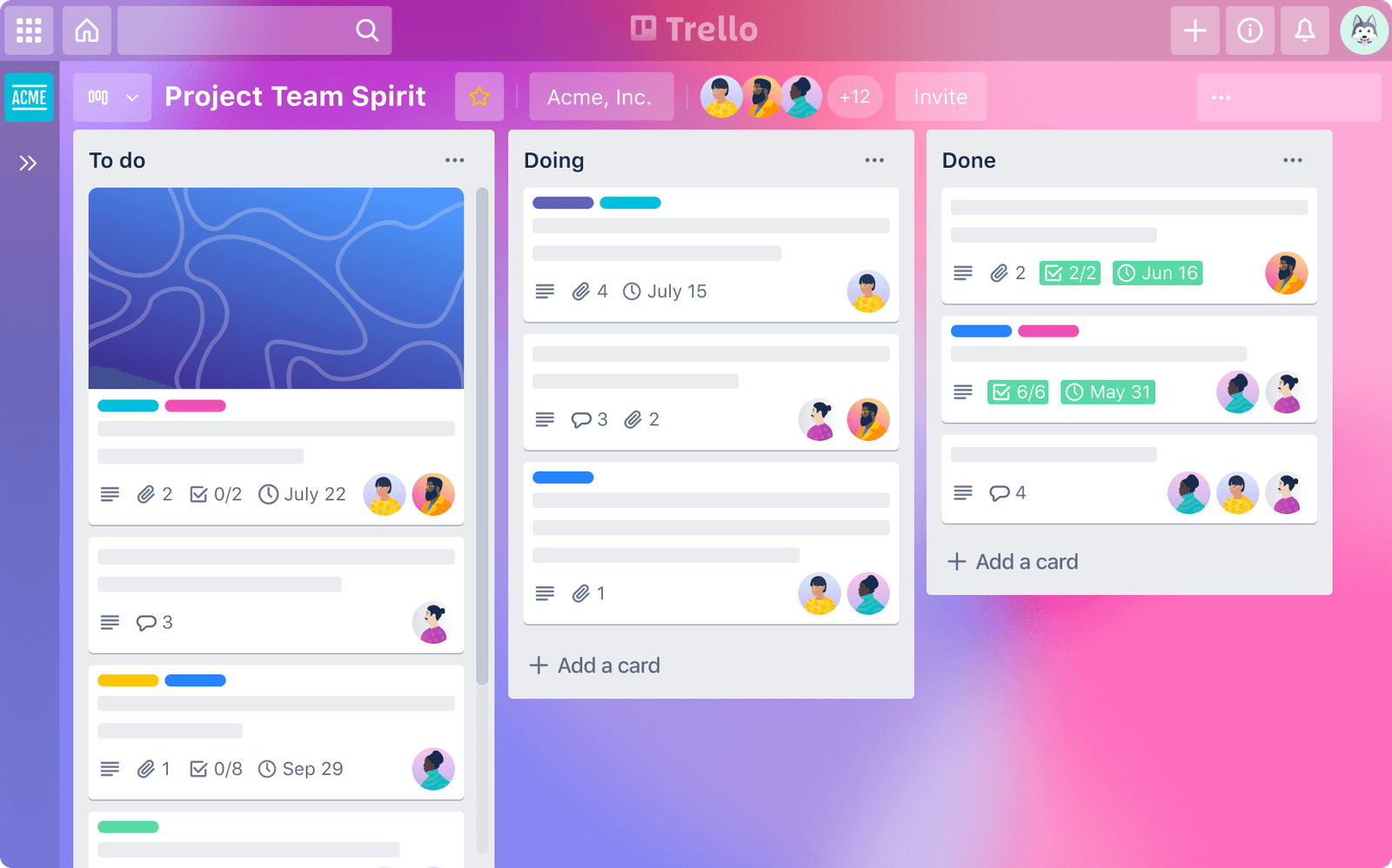
    10. Trello

    Trello is a powerful project management tool that helps digital marketers organize tasks and collaborate with their teams. Using a visual board system, Trello makes it easy to track project progress, assign tasks, and manage deadlines. This tool is perfect for coordinating marketing campaigns and ensuring that all team members are on the same page.

    Digital Marketing Tools

    Key Features:

    • Visual project management boards
    • Task assignment and deadline tracking
    • Collaboration tools for team projects
    • Integration with other productivity tools

    By leveraging these top 10 digital marketing tools in 2024, your business can enhance its marketing strategies, improve efficiency, and achieve better results. Each of these tools offers unique features and capabilities that cater to different aspects of digital marketing, making them indispensable for any marketer aiming to stay ahead in the competitive landscape


    Conclusion

    In the dynamic world of digital marketing, having the right tools at your disposal can make all the difference in achieving your marketing goals. The top 10 digital marketing tools in 2024 we have outlined—SEMrush, Ahrefs, HubSpot, Canva, Google Analytics, Hootsuite, Mailchimp, Moz, Buffer, and Trello—offer a comprehensive range of features that address various facets of digital marketing. From SEO optimization and content creation to social media management and project coordination, these tools are designed to enhance your marketing strategies, streamline your processes, and deliver measurable results.

    By integrating these tools into your marketing toolkit, you can gain valuable insights, improve your efficiency, and ultimately drive more traffic and conversions. Stay ahead of the competition by leveraging these powerful tools to optimize your digital marketing efforts in 2024 and beyond

    Tags :
    Author : Shahul

    Consectetur sollicitudin cubilia facilisis lobortis lacus a ac phasellus. Mus pulvinar enim suspendisse pharetra id commodo platea nunc aliquet.

    Learner of DigiSkillz, Digital Marketing Institute in Kochi.

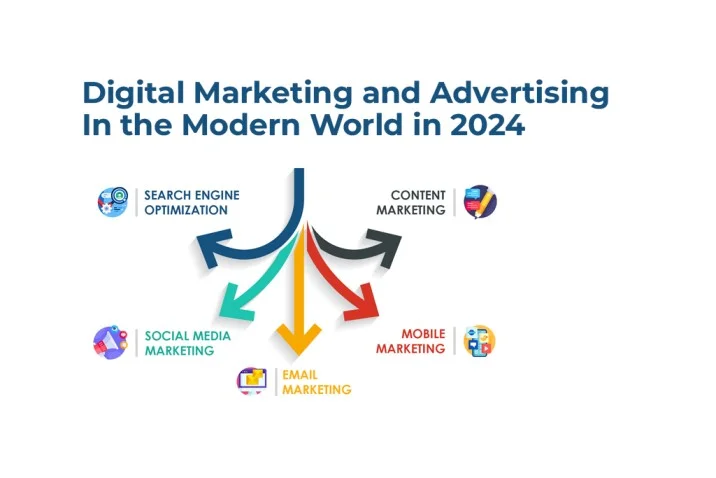
  • Digital Marketing and Advertising In the Dynamic Landscape of the Modern World in 2024

    Digital Marketing and Advertising In the Dynamic Landscape of the Modern World in 2024

    Digital Marketing and Advertising In the Dynamic Landscape of the Modern World in 2024

    In today’s fast-paced digital landscape, the way we market and advertise our products and services has undergone a transformative shift. The emergence of the internet and the proliferation of smart devices have not only changed the way we communicate but also revolutionized the world of marketing and advertising. Digital Marketing and Advertising are no longer confined to traditional media channels; they have transcended into a dynamic realm where creativity, technology, and data converge to create innovative strategies that resonate with modern consumers.

    In this comprehensive blog post, we will explore the dynamic realm of Digital Marketing and Advertising, focusing on strategies and trends that have become essential in the modern world. We’ll delve into the power of social media advertising, search engine optimization (SEO), content marketing, influencer collaborations, and the ever-evolving landscape of data analytics. Moreover, we’ll examine how businesses are adapting to these changes and leveraging cutting-edge technologies like artificial intelligence and augmented reality to enhance their marketing efforts. So, buckle up as we embark on a journey through the exciting world of Digital Marketing and Advertising in the 21st century.


    1. The Evolution of Marketing

    From Traditional to Digital (Digital Marketing and Advertising)

    Marketing and advertising were once predominantly associated with traditional media such as print, TV, and radio. However, the rise of digital platforms has reshaped the marketing landscape, leading to a profound transformation in how businesses promote their products and services. This paradigm shift, driven by Digital Marketing and Advertising, has not only altered the marketing terrain but has also revolutionized the very essence of how we connect with our target audiences.

    In the pre-digital era, reaching a broad audience involved significant costs and logistical challenges. Television advertisements required large budgets and intricate media planning, while geographical limitations constrained print ads. Radio ads, on the other hand, were contingent on time slots and the popularity of specific stations. However, with the advent of Digital Marketing and Advertising, these constraints have largely dissipated. Now, businesses can harness the power of the internet and social media to reach a global audience with unprecedented ease and efficiency.


    2. Digital Marketing Strategies

    Search Engine Optimization (SEO)

    Digital Marketing and Advertising encompass a multitude of strategies, and among the fundamental pillars in this realm is Search Engine Optimization (SEO).SEO plays a pivotal role in the digital landscape, serving as the cornerstone for businesses looking to establish a prominent online presence. By optimizing your website for search engines like Google, you take a significant step toward ensuring that your business appears in relevant search results, making it discoverable to your target audience.

    The world of SEO is continuously evolving, reflecting the ever-changing dynamics of the digital ecosystem. Search engines continually update their algorithms to provide the best possible user experience, making it imperative for businesses to adapt their SEO strategies accordingly. Staying ahead in the field of SEO means staying up to date with these algorithm changes and adhering to best practices. Techniques that may have worked in the past, such as keyword stuffing and link spamming, are now penalized by search engines.

    Incorporating a well-planned digital marketing strategy can significantly boost your online presence and drive substantial traffic to your website. By utilizing targeted social media campaigns, search engine optimization (SEO), and engaging content, your business can thrive in the digital landscape, reaching a wider audience and increasing your conversion rates.
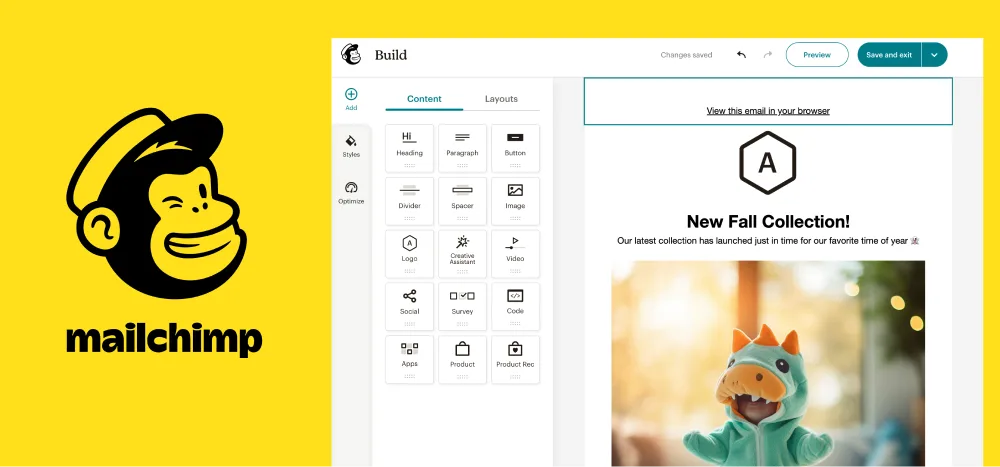
     

    3. Content Marketing

    In the realm of Digital Marketing and Advertising, Content Marketing emerges as a formidable strategy, where the adage “content is king” holds more truth than ever before. Crafting high-quality and valuable content is not merely a choice but a fundamental necessity for businesses aiming to succeed in the competitive digital arena. The ability to engage your audience and establish your brand as an industry authority hinges on the content you produce. Whether it takes the form of blog posts, videos, podcasts, or social media updates, content marketing serves as a linchpin in building a loyal customer base and fostering enduring customer relationships.

    In today’s content-saturated digital landscape, the challenge lies in creating standout content that rises above the noise. Your content must not only be informative but also inherently engaging, providing real value to your target audience. In a world awash with information, it’s the content that resonates and adds value that truly stands out. Understanding your audience’s pain points and aspirations is crucial, allowing you to tailor your content to their specific needs.


    4. Social Media Marketing

    Digital Marketing and Advertising

    In the vast landscape of Digital Marketing and Advertising, Social Media Marketing has emerged as a powerhouse, continuously gaining influence and relevance. The dynamic nature of social media platforms like Facebook, Instagram, Twitter, and many others has created unprecedented opportunities for businesses to forge more personal connections with their audience. Social media marketing allows for real-time engagement, authentic conversations, and the cultivation of brand loyalty. However, the ever-growing number of social media platforms and the diversity of audiences they attract can be daunting for businesses. To excel in the realm of social media marketing, it is imperative to pinpoint the platforms where your specific target audience is most active.

    Different platforms cater to different demographics and interests. For instance, Instagram tends to be popular among younger users, making it an ideal choice for businesses looking to connect with this demographic. In contrast, LinkedIn often serves as a go-to platform for B2B marketing, offering a professional environment conducive to networking and business-related conversations.


    5. Pay-Per-Click Advertising (PPC)

    Within the realm of Digital Marketing and Advertising, Pay-Per-Click Advertising (PPC) stands as a highly targeted and results-driven strategy. Platforms like Google Ads have revolutionized the way businesses connect with potential customers.PPC advertising offers a precise approach by allowing you to bid on specific keywords, ensuring that your advertisements are displayed to users who are actively searching for products or services similar to what your business offers.

    The effectiveness of PPC campaigns hinges on several key factors. First and foremost, thorough keyword research is vital. Identifying the right keywords that align with your business and customer intent is the foundation of a successful PPC campaign. Alongside this, creating compelling ad copy that not only captures attention but also resonates with your target audience is essential. Your ad copy should convey the unique value your business provides. Equally important is the optimization of landing pages. These pages must be well-structured, user-friendly, and relevant to the ad content to ensure a seamless transition for visitors and maximize conversion rates.


    6. The Importance of Analytics

    In the dynamic realm of Digital Marketing and Advertising, analytics plays a pivotal role, offering businesses an invaluable advantage. The ability to measure and analyze the performance of your campaigns is one of the defining benefits of digital marketing. Metrics such as website traffic, conversion rates, click-through rates, and engagement levels provide real-time insights that can guide your strategies and ultimately lead to more successful outcomes.

    To harness the full potential of analytics, it’s crucial to begin with a clear and defined set of goals for your marketing campaigns. For example, if you’re running a Pay-Per-Click (PPC) campaign, your goal might be to increase online sales by a certain percentage or achieve a specific click-through rate. By setting measurable objectives, you can accurately gauge the effectiveness of your campaigns and make data-driven decisions to improve performance. Analytics empowers you to identify what’s working, what isn’t, and where adjustments are needed.


    7. The Mobile Revolution

    The Mobile Revolution has indisputably reshaped the landscape of Digital Marketing and Advertising. In today’s digital age, with the majority of internet traffic originating from mobile devices, optimizing your marketing efforts for mobile users has transitioned from being a choice to an absolute necessity. This transformation has necessitated the adoption of responsive web design, the development of mobile apps, and the creation of mobile-specific ad campaigns, all of which are essential for reaching and engaging the modern consumer.

    The proliferation of smartphones, in particular, has led to a profound shift in consumer behavior. People now rely on their mobile devices for a wide range of activities, from shopping and social networking to research and entertainment. This shift has profound implications for digital marketing strategies. Mobile optimization is no longer a matter of mere convenience; it’s a fundamental business requirement. Ignoring the mobile audience means missing out on a significant portion of potential customers.


    8. Staying Ahead of Trends

    Digital Marketing and Advertising
    In the ever-shifting landscape of Digital Marketing and Advertising, staying ahead of the curve is essential for maintaining a competitive edge in the modern world. The dynamic nature of digital marketing means that businesses need to continuously adapt and innovate their strategies to keep up with changing consumer preferences and technological advancements. Voice search optimization is one such trend that has gained prominence in recent years. With the increasing prevalence of voice-activated devices like smart speakers and virtual assistants, businesses must optimize their digital content for voice search.

    Understanding the nuances of how people conduct voice searches and tailoring your content to match those natural language queries can significantly enhance your visibility in voice search results. Video marketing is another trend that has become a powerhouse in the digital marketing landscape. With platforms like YouTube, TikTok, and Instagram’s IGTV gaining immense popularity, video content has become a vital means of engaging and connecting with audiences. Incorporating video into your marketing strategy, whether through product demos, how-to guides, or storytelling, can captivate your audience and set your brand apart.


    9. Voice Search Optimization

    The ascent of voice-activated devices such as Amazon Echo and Google Home has ushered in a new era of digital interaction, marked by the growing prevalence of voice searches. Voice Search Optimization is swiftly becoming an imperative consideration for businesses in the digital marketing and advertising landscape. To leverage the potential of voice search, it’s crucial to adapt your digital content to align with the way people naturally converse with these devices.

    Voice Search Optimization entails a fundamental shift in keyword strategies. To meet this demand, using natural language keywords that reflect how people speak is paramount. Long-tail keywords and phrases that resemble real-life conversations are increasingly crucial in the voice search realm. Additionally, optimizing your content for local searches is vital, as many voice searches have a local intent, such as asking for nearby restaurants or services. Furthermore, providing concise, informative answers to common questions that your audience might ask through voice commands is vital. This means crafting content that directly addresses user queries in a clear and concise manner.

    Offering valuable and immediate responses can enhance your visibility in voice search results and foster user satisfaction.


    10. Video Marketing

    Digital Marketing and Advertising

    Video marketing has indeed experienced a meteoric rise in popularity, ushering in a transformative era in the realm of digital marketing and advertising. The proliferation of platforms such as YouTube, TikTok, and various social media sites has created a fertile ground for the dissemination of video content, reshaping consumer preferences and behavior. In this ever-evolving landscape, the role of video in Digital Marketing and Advertising cannot be overstated. One of its most distinguishing features is its unparalleled capacity to captivate and engage audiences in ways that no other medium can.

    The versatility of video content is one of its standout attributes, as it offers a wide range of formats to choose from. These formats can include product demonstrations, how-to guides, storytelling, testimonials, and more. This versatility empowers businesses to connect with their audiences in diverse and meaningful ways, offering both value and entertainment while effectively conveying their brand’s identity and message.

    Product demonstrations are a powerful tool in the video marketing arsenal. They allow businesses to showcase their products or services in action, highlighting their features and benefits. This format provides potential customers with a tangible understanding of what they can expect, building trust and confidence in the brand. It also serves as an educational tool, making complex products or services more accessible and user-friendly.

    How-to guides are another compelling video format. They offer step-by-step instructions on various topics, addressing the pain points and challenges faced by the target audience. By providing valuable solutions and expertise, businesses position themselves as industry leaders and build a loyal following of viewers seeking their guidance. Storytelling is an art that video marketing has mastered. Stories have a unique ability to resonate with viewers on an emotional level, making the brand’s message memorable and relatable. By crafting narratives that align with their values and vision, businesses can forge deeper connections with their audience, leading to increased loyalty and advocacy.

    Testimonials are a powerful form of social proof in video marketing. They feature satisfied customers sharing their positive experiences with the product or service. These authentic endorsements instill trust and confidence in potential customers, making them more likely to make a purchase. Video marketing’s impact goes beyond just the content itself. It also offers valuable insights through metrics like engagement rates, click-through rates, and viewer demographics. This data enables businesses to fine-tune their strategies, ensuring that their content reaches the right audience and drives desired actions.

    The rise of video marketing has reshaped the digital marketing landscape, offering a dynamic and versatile tool for businesses to connect with their audiences in engaging and meaningful ways. Whether through product demonstrations, how-to guides, storytelling, or testimonials, video content empowers brands to convey their identity and message while providing value and entertainment. As the digital marketing landscape continues to evolve, video remains a cornerstone in capturing the hearts and minds of consumers.


    11. Influencer Marketing

    Influencer Marketing has emerged as a potent and influential strategy within Digital Marketing and Advertising. With the rise of social media platforms, particularly Instagram, influencer marketing has become a transformative means of connecting with audiences in a highly personalized and engaging way. Partnering with influencers in your niche can be a game-changer, enabling your brand to access a more engaged and laser-focused audience.

    One of the distinguishing features of influencer marketing is the authenticity and trust that influencers have cultivated with their followers. Influencers often have a dedicated and loyal fan base who respect and trust their recommendations. When influencers endorse your products or services, they carry a genuine and persuasive voice. This personal touch can significantly impact purchasing decisions and lead to increased brand visibility, credibility, and, ultimately, conversions.

    Influencer Marketing has emerged as a potent and influential strategy within Digital Marketing and Advertising. With the rise of social media platforms, particularly Instagram, influencer marketing has become a transformative means of connecting with audiences in a highly personalized and engaging way. Partnering with influencers in your niche can be a game-changer, enabling your brand to access a more engaged and laser-focused audience.

    One of the distinguishing features of influencer marketing is the authenticity and trust that influencers have cultivated with their followers. Influencers often have a dedicated and loyal fan base who respect and trust their recommendations.

    When influencers endorse your products or services, they carry a genuine and persuasive voice. This personal touch can significantly impact purchasing decisions and lead to increased brand visibility, credibility, and, ultimately, conversions.


    12. Conclusion

    Digital Marketing and Advertising
    Digital marketing and advertising have become the lifeblood of businesses in the modern world. To succeed, it’s crucial to adapt to the ever-changing digital landscape, employ effective strategies, and stay informed about emerging trends. By doing so, you can harness the power of digital marketing and advertising to reach and engage your target audience in innovative ways. In this blog post, we’ve delved deep into the vast and dynamic world of digital marketing and advertising.

    To thrive in this fast-paced environment, it’s essential to stay informed, embrace change, and continuously refine your strategies. By doing so, you can remain competitive and make the most of the incredible opportunities that the modern digital landscape provides. It’s important to stay ahead of the curve and invest in the latest technologies and trends. Additionally, it’s important to stay ahead of the competition by constantly learning and adapting to new changes.

    Finally, it’s important to stay agile and be able to adjust quickly and pivot when the need arises. It’s also important to stay ahead of the competition by implementing efficient strategies. Networking and building relationships with industry peers can also be beneficial in helping you stay competitive.

    Finally, staying ahead of the competition requires staying informed and up-to-date on the latest trends and technologies. You should regularly review your strategies and results to assess their effectiveness. Additionally, you should strive to create innovative solutions to business problems that can help you stay ahead of the competition. Finally, it’s important to be open to change and be willing to take risks. Experimenting with new ideas and taking risks can be a great way to stay ahead of the competition. It’s important to stay flexible and adaptable as the market evolves and new opportunities arise. Finally, it’s important to stay humble and open to feedback from colleagues, customers, and stakeholders.

    Tags :
    Author : Mishab

    Consectetur sollicitudin cubilia facilisis lobortis lacus a ac phasellus. Mus pulvinar enim suspendisse pharetra id commodo platea nunc aliquet.

    Learner of DigiSkillz, Digital Marketing Institute in Kochi.

  • Career Benefits of Completing a Digital Marketing Course

    Career Benefits of Completing a Digital Marketing Course

    Career Benefits of Completing a Digital Marketing Course

    Completing a digital marketing course can offer numerous career benefits, making it a valuable investment for professionals looking to enhance their skill set and advance in their careers.

    Completing a digital marketing course benefits

    Digital Marketing Course Benefits

    1. Enhanced Digital Marketing Skills

    • Comprehensive Knowledge: Gain an in-depth understanding of digital marketing strategies, tools, and techniques, including SEO, SEM, content marketing, social media marketing, email marketing, and more.               
    • Practical Experience: Hands-on projects and real-world simulations provide practical experience in executing digital campaigns and analyzing results.
    • Stay Updated: Keep abreast of the latest trends, technologies, and best practices in digital marketing, ensuring your skills remain relevant and competitive.

    Digital Marketing Course Benefits

    2. Expanded Career Opportunities

    • Job Market Demand: Digital marketing skills are in high demand across industries as businesses increasingly rely on digital channels for customer acquisition and engagement.
    • Diverse Roles: Open doors to a wide range of career paths such as digital marketing manager, social media strategist, SEO specialist, content marketer, PPC analyst, and more.
    • Freelance Opportunities: Ability to work independently or as a freelancer, offering digital marketing services to businesses looking to enhance their online presence.

    3. Increased Earning Potential

    • Salary Growth: Digital marketing professionals often command higher salaries compared to their non-specialized counterparts due to their specialized skills and ability to drive measurable results.
    • Negotiation Power: Certification from reputable courses can strengthen your negotiating position during job interviews and salary discussions.

    4. Career Advancement and Professional Development

    • Promotion Opportunities: Stand out as a candidate for promotions or internal transfers by demonstrating expertise in digital marketing strategies and contributing to the company’s growth.
    • Continued Learning: Digital marketing is dynamic; continuous learning through courses and certifications ensures you stay ahead in the field and adapt to evolving trends.

    5. Networking and Industry Recognition

    • Build a Network: Connect with industry professionals, influencers, and peers through course forums, workshops, and networking events, fostering opportunities for collaboration and career growth.
    • Credibility: Certification from renowned digital marketing courses enhances your credibility and validates your expertise to employers, clients, and colleagues.

    6. Entrepreneurial Opportunities

    • Start Your Own Business: Equip yourself with the skills needed to launch and manage digital marketing campaigns for your own business or startup venture.
    • Client Acquisition: Attract potential clients by showcasing your digital marketing proficiency and ability to deliver measurable results.

    In addition to these, a digital marketing course benefits can also help you:

    • Gain valuable business insights: Digital marketing teaches you how to understand your target audience and what motivates them. This knowledge can be applied to any business situation.
    • Work remotely: Many digital marketing jobs offer the opportunity to work remotely, which can give you more flexibility and work-life balance

    Key features to look for in a top-notch digital marketing course:

    Choosing the best digital marketing course benefits can be a daunting task with so many options available. To help you make an informed decision, here are key features to look for in a top-notch digital marketing course:

    Digital Marketing Course Benefits

    1. Comprehensive Curriculum

    A great digital marketing course benefits should cover all essential aspects of the field. Look for courses that include modules on:

    • SEO (Search Engine Optimization)
    • SEM (Search Engine Marketing)
    • Content Marketing
    • Social Media Marketing
    • Email Marketing
    • Analytics and Data Analysis
    • PPC (Pay-Per-Click) Advertising
    • Mobile Marketing

    2. Experienced and Qualified Instructors

    The quality of instructors can significantly impact your learning experience. Ensure the course is taught by experienced professionals who have real-world expertise and a proven track record in digital marketing.

    3. Up-to-Date Content

    Digital marketing is a rapidly evolving field. The best courses are regularly updated to reflect the latest trends, tools, and best practices. Look for courses that mention their content update frequency.

    4. Hands-On Projects and Assignments

    Practical experience is crucial in digital marketing. Courses that include hands-on projects, case studies, and real-world assignments help you apply what you’ve learned and build a portfolio of work.

    5. Certification

    A recognized certification can add value to your resume and demonstrate your expertise to potential employers. Check if the course offers certification upon completion and if the certification is recognized in the industry.

    6. Student Reviews and Testimonials

    Reviews and testimonials from previous students can provide insight into the course’s effectiveness and quality. Look for courses with positive feedback and high ratings.

    7. Interactive Elements

    Engaging courses often include interactive elements such as quizzes, discussion forums, and live sessions. These features enhance learning and provide opportunities to interact with instructors and peers.

    8. Support and Resources

    Good courses offer robust support and additional resources, such as:

    • Access to a community of learners
    • Career support and guidance
    • Downloadable materials and resources
    • Mentorship opportunities

    9. Flexible Learning Options

    Flexibility is important, especially if you have other commitments. Look for courses that offer:

    • Self-paced learning
    • Options for online or offline learning
    • Accessible from multiple devices

    10. Cost and Value

    While cost is a consideration, focus on the value the course provides. Compare the price with the quality of content, instructor expertise, and additional features. Sometimes, free courses offer excellent value, but paid courses often provide more depth and resources.

    Digital Marketing Course Benefits

    Completing a digital marketing course benefits can be a game-changer for your career, providing you with a powerful set of skills and opportunities. Whether you’re looking to advance in your current role, increase your earning potential, or embark on a new career path, the benefits of digital marketing education are undeniable. Invest in your future today and unlock the potential for a successful and dynamic career in digital marketing.

    Tags :
    Author : Shafeela

    Consectetur sollicitudin cubilia facilisis lobortis lacus a ac phasellus. Mus pulvinar enim suspendisse pharetra id commodo platea nunc aliquet.

    Learner of DigiSkillz, Digital Marketing Institute in Kochi.

  • What Qualifications Do You Need for a Digital Marketing Job

    What Qualifications Do You Need for a Digital Marketing Job

    What Qualifications Do You Need for a Digital Marketing Job

    Qualification for Digital Marketing Job : Bring your passion for creativity and strategic thinking! We’re looking for candidates with a degree in Marketing, Communications, or a related field, proficiency in digital platforms, and a track record of successful campaign.

    Digital marketing is in a perpetual state of flux, which means that every year, new inventions, technologies, and disruptive concepts shift the playing field, implying that in order to succeed as a digital marketer in the long run, you must grow with the times.

    But, there are fundamental digital marketing skills, competencies and qualifications that largely remain the same – and getting these under your belt will kick-start your success from the get-go.

    At the moment, digital marketing roles are the most in demand in today’s marketing departments, with advertising and content capabilities ranking as the most in demand. To that end, these are the qualifications you’ll need to enter the fun, thrilling, and fast-paced field of digital marketing.

    Essential Qualifications for a Digital Marketing Job

    While there is no definitive set route to becoming a digital marketer or landing your first job in the field, most employers will want to see that you’ve validated your skills by successfully completing an industry-recognized introductory digital marketing course.

    Not only will you gain the fundamental skills, knowledge base, and confidence required to begin a rewarding career in digital marketing – and actually be useful in the workplace – but you will also gain a working understanding of the key principles or areas that comprise the vast majority of qualification for digital marketing job.

    From there, you will quickly get a feel for the area of digital marketing that you’d like to focus on, enrolling on a sector-specific digital marketing course on disciplines such as:

    • Social media marketing

    • Social marketing

    • Digital strategy and planning

    • Content and inbound marketing

    • Email marketing

    By enrolling in a more advanced digital marketing course or earning a qualification that focuses on a specific area of digital marketing, you will increase your employability while opening yourself up to more potential brands or businesses looking for skilled upstarts to help them with their promotional efforts.

    Social media marketing

     Qualification for Digital Marketing Job

    Transforming connections into conversations! Explore the art of engaging audiences, building brand presence, and driving impact across platforms. Dive into the world of trending content, community building, and strategic outreach.

    Social marketing

    Where purpose meets impact! Unleash the power of strategic communication for positive change. From promoting social causes to behavior change campaigns, delve into the art of creating meaningful connections and driving societal impact.

    Digital strategy and planning

    qualification for digital marketing job

    Navigating the digital landscape with purpose and precision Learn to craft impactful strategies that align with business goals, leverage emerging technologies, and drive online success.

    Content and inbound marketing

    Engaging audiences with intriguing stories! Investigate the art of producing useful content that attracts, engages, and converts while building a strong foundation aligned with the qualification for digital marketing job. Discover inbound methods that attract audiences to your brand and showcase the practical skills and strategic thinking expected as a qualification for digital marketing job in today’s competitive market. Join us as we grasp the combination of narrative and strategy, opening the door to organic development, long-term relationships, and career growth that perfectly matches the qualification for digital marketing job.

    Email marketing

    With each click, you increase your reach! Explore the art of generating powerful communications, maximizing deliverability, and sustaining client connections via email. Discover the power of data-driven marketing and targeted communication.

    qualification for a digital marketing job

    Qualification for a digital marketing job typically includes a bachelor’s degree in marketing, communications, or a related field. Employers seek candidates with a strong understanding of digital platforms, social media, and online analytics.

    Proficiency in digital marketing tools, SEO, and content creation is often preferred. Successful candidates showcase a creative mindset, analytical skills, and the ability to adapt to evolving digital trends

    Consider micro-credentials

    qualification for digital marketing job

    While not required, micro-credentials or badges are a novel, effective, and generally recognized means of earning pockets of specific digital marketing skills while gaining a crucial competitive edge.

    A recent study shows that 60% of industry experts feel that more employers will move towards skills-based hiring by choosing a budding candidate, like you, based on what they can do rather than a traditional degree or pedigree alone.

    These miniature online courses allow you to learn at your own pace in a short space of time while gaining a reputable qualification for a digital marketing job, and as the insights above show, these are likely to help increase your chances of landing a rewarding digital marketing job quite significantly.

    Moreover, by reading industry publications regularly and remaining abreast of the latest trends, shifts,s and changes in the digital marketing world, you will ensure your skills and knowledge remain relevant, giving you the best possible chance of a thriving, enduring, and well-compensated career.

    Final thoughts

    In conclusion, while there are no mandatory qualifications for a digital marketing job, enrolling in and successfully finishing a respected, well-rounded digital marketing course can greatly increase your chances of securing the digital marketing job of your dreams. Furthermore, by obtaining qualifications for a digital marketing job in more specialized areas or competencies, you will acquire a significant competitive advantage over the masses of competitors out there.

     conclusion

    pursuing a career in digital marketing requires a blend of diverse skills, knowledge, and experience. While formal education in marketing, communications, or related fields can provide a solid foundation, it’s equally important to stay updated with the latest trends, tools, and technologies shaping the digital landscape. Practical experience through internships, freelance projects, or entry-level positions can significantly enhance your credibility and understanding of digital marketing practices. Additionally, certifications from reputable institutions or platforms can demonstrate proficiency in specific areas such as SEO, social media marketing, or analytics, further bolstering your qualifications. However, what truly sets successful digital marketers apart is a combination of creativity, analytical thinking, adaptability, and a passion for staying ahead in the dynamic world of digital marketing.

    Tags :
    Author : Musfir

    Consectetur sollicitudin cubilia facilisis lobortis lacus a ac phasellus. Mus pulvinar enim suspendisse pharetra id commodo platea nunc aliquet.

    Learner of DigiSkillz, Digital Marketing Institute in Kochi.

  • Top 50 Digital Marketing Interview Questions and Answers

    Top 50 Digital Marketing Interview Questions and Answers

    Top 50 Digital Marketing Interview Questions and Answers

    Preparing for a digital marketing interview is key to landing your dream job in this dynamic field. This blog focuses on the Top 50 Digital Marketing Interview Questions and Answers, providing you with essential insights and strategies to excel. Whether you’re new to digital marketing or have some experience, knowing these key questions and answers will help you feel more confident and ready.

    Why Preparation is Key

    Getting ready for a digital marketing interview is really important. First, it boosts your confidence. Knowing the Digital Marketing Interview Questions and Answers means you’ll be more relaxed and clear during the interview.

    Second, preparation helps you show off your skills. When you understand these questions and answers, you can highlight your expertise in areas like SEO and social media. This makes you look more knowledgeable and serious about the job.

    Third, being prepared means you can handle surprises better. If you know a lot of Digital Marketing Interview Questions and Answers, you’ll be ready for unexpected questions.

    Lastly, preparation helps you stand out. By knowing these key questions and answers, you show that you’re committed and ready for the role.

    1. What is Digital Marketing?

    Digital marketing involves promoting products or services through digital channels such as search engines, websites, social media, email, and mobile apps. It includes strategies like SEO, content marketing, social media marketing, and more.

    2. How does SEO work?

    Search Engine Optimization (SEO) is the practice of optimizing web pages to rank higher in search engine results. It includes keyword research, on-page SEO (like meta tags and content optimization), off-page SEO (like backlinks), and technical SEO (like site speed and mobile-friendliness).

    3. What is a Keyword?

    keyword is a term or phrase that users enter into search engines. Keywords are essential for SEO as they help search engines understand the content’s relevance to user queries.

    4. What is PPC?

    Pay-Per-Click (PPC) is an online advertising model where advertisers pay a fee each time their ad is clicked. It’s a method of buying visits to your site rather than earning them organically.

    5. Explain the concept of Content Marketing.

    Content marketing focuses on creating and distributing valuable, relevant content to attract and engage a target audience, ultimately driving profitable customer actions.

    6. What are the major Google algorithms?

    Key Google algorithms include:

    • Panda: Focuses on content quality.
    • Penguin: Targets link quality.
    • Hummingbird: Enhances understanding of search queries.
    • RankBrain: Uses machine learning to process search results.

    7. What is a Backlink?

    backlink is a link from one website to another. Backlinks are vital for SEO as they signal to search engines that your content is authoritative and trustworthy.

    8. Describe Social Media Marketing.

    Social media marketing uses platforms like Facebook, Twitter, and Instagram to promote products, services, or brands through content creation, engagement, and paid advertising.

    9. What is the difference between SEM and SEO?

    SEO (Search Engine Optimization) aims to improve organic search rankings, while SEM (Search Engine Marketing) involves paid advertising to increase search visibility.

    Digital Marketing Interview Questions and Answers

    10. How do you measure the success of a digital marketing campaign?

    Success can be measured using metrics like:

    • Website Traffic: Number of visitors.
    • Conversion Rate: Percentage of visitors completing desired actions.
    • Engagement: Likes, shares, comments.
    • ROI: Return on Investment, calculated by dividing profit by campaign cost.

    11. What is Email Marketing?

    Email marketing involves sending emails to prospects and customers to nurture relationships, promote products, and drive conversions.

    12. Explain the importance of mobile marketing.

    Mobile marketing targets users on smartphones and tablets. With increasing mobile usage, it’s crucial to ensure marketing strategies are mobile-optimized.

    13. What is the role of analytics in digital marketing?

    Analytics provide data on user behavior, campaign performance, and ROI, enabling marketers to make informed decisions and optimize strategies.

    14. What are some common digital marketing tools?

    Popular tools include:

    • Google Analytics: Web analytics.
    • Hootsuite: Social media management.
    • SEMrush: SEO and competitive analysis.
    • MailChimp: Email marketing.

    15. What is a buyer persona?

    buyer persona is a detailed representation of your ideal customer, based on market research and real data. It helps tailor marketing efforts to better meet the audience’s needs.

    16. How does influencer marketing work?

    Influencer marketing involves partnering with influential people in your industry to promote your brand. Influencers have large followings and can impact purchasing decisions.

    17. What is a landing page?

    landing page is a standalone web page created for a marketing or advertising campaign. Its primary goal is to convert visitors into leads or customers.

    18. Explain the term ‘conversion rate optimization (CRO)’.

    CRO involves increasing the percentage of website visitors who take a desired action through A/B testing, improving usability, and optimizing content and calls to action.

    Digital Marketing Interview Questions and Answers

    19. What are effective SEO strategies?

    Effective strategies include:

    • Keyword Research: Identifying relevant keywords.
    • Content Creation: Producing high-quality, keyword-rich content.
    • On-Page SEO: Optimizing title tags, meta descriptions, and headers.
    • Link Building: Acquiring high-quality backlinks.
    • Technical SEO: Improving site speed, mobile-friendliness, and crawlability.

    20. What is Google AdWords?

    Google AdWords (now Google Ads) is an online advertising platform where advertisers bid to display brief ads, service offerings, product listings, and video content to web users.

    21. Describe the customer journey.

    The customer journey is the process customers go through from initial awareness of your brand to making a purchase and beyond. It includes stages like awareness, consideration, decision, and retention.

    22. What is affiliate marketing?

    Affiliate marketing is a performance-based marketing strategy where a business rewards affiliates for each visitor or customer brought by the affiliate’s marketing efforts.

    23. Explain the concept of remarketing.

    Remarketing involves showing targeted ads to users who have previously visited your website or used your mobile app, helping to keep your brand top-of-mind and encourage return visits.

    24. What is the importance of A/B testing in digital marketing?

    A/B testing compares two versions of a webpage or app to determine which performs better, crucial for optimizing user experience and improving conversion rates.

    25. How do you approach market segmentation?

    Market segmentation involves dividing a broad target market into subsets of consumers with common needs and priorities, allowing for more targeted and effective marketing strategies.

    26. What is programmatic advertising?

    Programmatic advertising uses automated technology to buy and sell online advertising, leveraging data and algorithms to deliver ads to the right audience at the right time.

    27. How do you define engagement rate?

    Engagement rate measures the level of interaction content receives from an audience, including likes, shares, comments, and other forms of interaction.

    28. What is a CTA (Call to Action)?

    Call to Action (CTA) is a prompt on a website that encourages the user to take a specified action, such as “Sign Up,” “Buy Now,” or “Learn More.”

    29. Explain the importance of a content calendar.

    content calendar schedules what and when content will be published, ensuring consistent delivery and alignment with marketing goals and campaigns.

    30. What is the difference between B2B and B2C marketing?

    B2B (Business-to-Business) marketing targets other businesses, focusing on logic and ROI, while B2C (Business-to-Consumer) marketing targets individual consumers, focusing on emotions and benefits.

    31. What are the benefits of social media marketing?

    Social media marketing can increase brand awareness, improve engagement, drive website traffic, generate leads, and enhance customer loyalty.

    32. What is the importance of video marketing?

    Video marketing is crucial as it engages audiences, increases conversion rates, improves SEO, and provides a high ROI.

    33. What is native advertising?

    Native advertising involves creating ads that match the look, feel, and function of the media format in which they appear, providing a less intrusive advertising experience.

    34. Explain the term ‘marketing automation’.

    Marketing automation uses software to automate repetitive marketing tasks, such as email campaigns, social media posting, and ad campaigns, improving efficiency and effectiveness.

    35. What is the importance of branding in digital marketing?

    Branding builds a strong, positive perception of your company, helping to differentiate it from competitors, foster customer loyalty, and drive long-term success.

    36. How do you define conversion in digital marketing?

    conversion occurs when a user completes a desired action, such as making a purchase, filling out a form, or subscribing to a newsletter.

    37. What is the role of user-generated content in digital marketing?

    User-generated content (UGC) involves content created by customers or users, such as reviews, testimonials, and social media posts, which can enhance credibility and engagement.

    38. Explain the term ‘customer lifetime value (CLV)’.

    Customer lifetime value (CLV) measures the total worth of a customer to a business over the entirety of their relationship, helping to inform marketing and retention strategies.

    39. What is the importance of local SEO?

    Local SEO optimizes your online presence to attract more business from relevant local searches, crucial for businesses with a physical location or serving a specific geographic area.

    40. What is the difference between organic and paid search results?

    Organic search results are listings that appear due to their relevance to the search terms, while paid search results are ads that appear at the top of or alongside the organic results.

    Digital Marketing Interview Questions and Answers

    41. How do you use Google Analytics for digital marketing?

    Google Analytics is a powerful tool that provides comprehensive insights into your website’s performance and user behavior. Here are key ways to utilize Google Analytics for digital marketing:

    1. Track Website Traffic

    Google Analytics helps you monitor the number of visitors to your website. You can track total visits, unique visitors, and page views to understand your site’s reach and audience engagement—making it one of the key topics covered in Top 50 Digital Marketing Interview Questions and Answers.
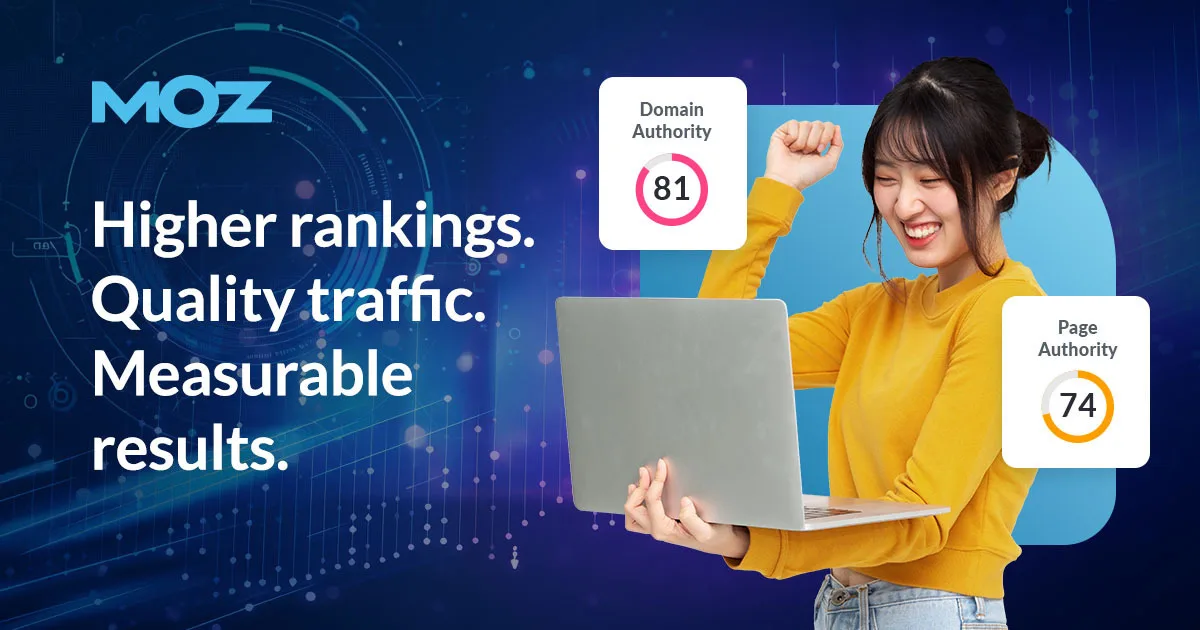
    2. Understand Traffic Sources

    Identify where your traffic is coming from with the traffic sources report. This includes:

    • Organic Search: Visitors who find your site via search engines.
    • Direct Traffic: Visitors who type your URL directly into their browser.
    • Referral Traffic: Visitors who click on links from other websites.
    • Social Media: Visitors from social media platforms.
    • Paid Search: Visitors from PPC campaigns.

    3. Analyze User Behavior

    Understand how users interact with your site:

    • Bounce Rate: The percentage of visitors who leave after viewing only one page.
    • Average Session Duration: The average amount of time visitors spend on your site.
    • Pages per Session: The average number of pages viewed during a session.

    4. Measure Conversion Rates

    Set up Goals and Conversions to track specific actions you want visitors to take, such as completing a purchase, signing up for a newsletter, or filling out a contact form. This helps measure the effectiveness of your campaigns.

    5. Identify Top Performing Pages

    Use the Behavior report to see which pages receive the most traffic, have the highest engagement, and drive the most conversions. This helps you understand what content resonates with your audience.

    6. Audience Insights

    Gain insights into your audience’s demographics, interests, geographic locations, and devices they use to access your site. This information helps you tailor your marketing strategies to better meet their needs.
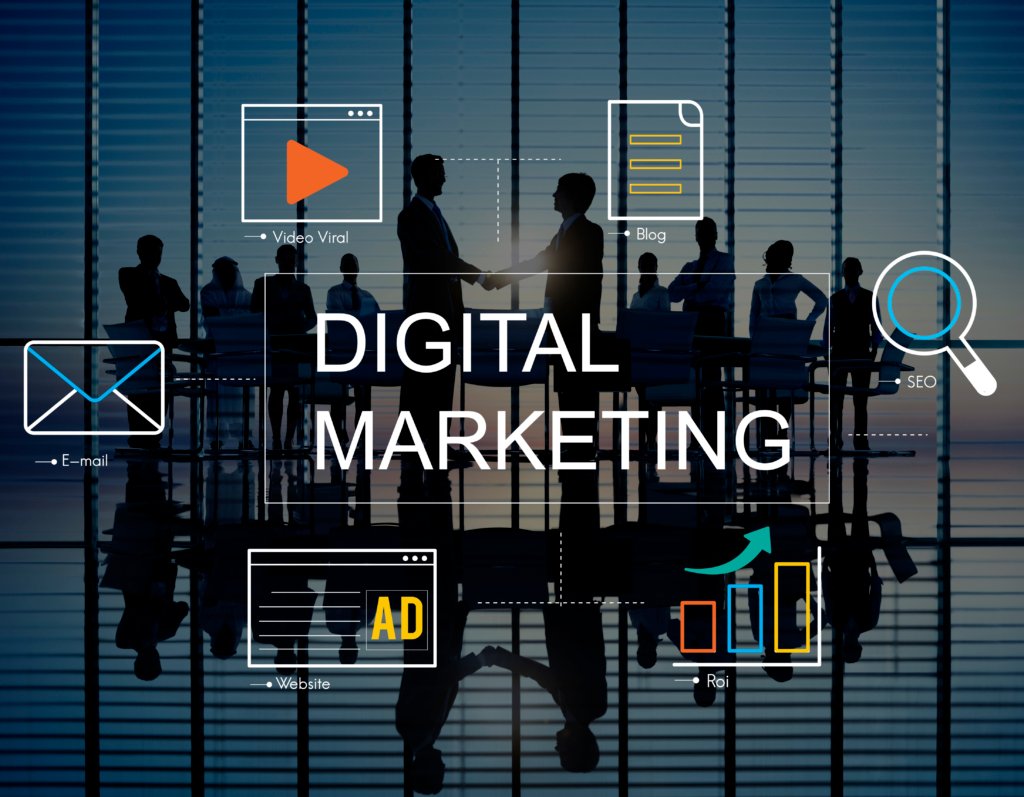
    7. Monitor Campaign Performance

    Track the performance of your marketing campaigns through UTM parameters. This allows you to see which campaigns are driving traffic and conversions, enabling you to allocate resources effectively.

    8. Improve SEO

    Analyze the Acquisition report to understand how organic search contributes to your traffic. Identify high-performing keywords and optimize your content to improve search engine rankings.

    9. Enhance User Experience

    Use the Site Speed report to monitor your website’s loading times. Faster websites provide a better user experience and can improve search engine rankings.

    10. Set Up Custom Dashboards and Reports

    Create custom dashboards and reports to monitor the metrics that matter most to your business. This helps you stay focused on your goals and quickly identify areas that need improvement.

    By leveraging Google Analytics, you can gain valuable insights into your digital marketing efforts, make data-driven decisions, and continuously optimize your strategies for better results

    42. What is a marketing funnel?

    marketing funnel represents the stages a customer goes through from awareness to purchase. The stages typically include:

    • Awareness: The customer becomes aware of your brand.
    • Interest: The customer shows interest in your products or services.
    • Consideration: The customer evaluates your offerings.
    • Intent: The customer shows a desire to purchase.
    • Purchase: The customer completes the transaction.

    43. What is the role of storytelling in digital marketing?

    Storytelling in digital marketing involves creating compelling narratives that engage the audience, build emotional connections, and communicate the brand’s values and messages effectively.

    44. How do you conduct a competitive analysis?

    Competitive analysis involves researching and evaluating your competitors’ strengths and weaknesses. Key steps include:

    • Identifying competitors.
    • Analyzing their marketing strategies.
    • Evaluating their content and SEO efforts.
    • Assessing their social media presence.
    • Understanding their customer engagement tactics.

    45. What is the importance of customer reviews?

    Customer reviews influence potential buyers’ decisions, enhance credibility, and improve SEO by generating fresh, user-generated content that search engines value.

    46. What is a lead magnet?

    lead magnet is an incentive offered to potential customers in exchange for their contact information. Examples include ebooks, whitepapers, free trials, and webinars.

    47. How do you use social proof in marketing?

    Social proof leverages the influence of other people’s actions and opinions to build trust and encourage others to take similar actions. This can include customer reviews, testimonials, endorsements, and case studies.

    48. Explain the concept of inbound marketing.

    Inbound marketing focuses on attracting customers through valuable content and experiences tailored to them, rather than pushing products directly. It aims to create meaningful connections and build lasting relationships.

    49. What is the role of an editorial calendar in content marketing?

    An editorial calendar helps plan, organize, and schedule content production and publication. It ensures consistency, aligns with marketing goals, and helps manage resources efficiently.

    50. How do you optimize a website for voice search?

    To optimize for voice search, consider the following strategies:

    • Use natural, conversational language.
    • Focus on long-tail keywords and phrases.
    • Optimize for local search queries.
    • Ensure your site is mobile-friendly.
    • Provide concise, direct answers to common questions.

    Tips for Answering Digital Marketing Interview Questions and Answers:

    1. Know the Basics: Make sure you understand key digital marketing concepts like SEO, content marketing, and social media. Knowing these basics will help you confidently answer common Digital Marketing Interview Questions and Answers.
    2. Be Specific: When you answer questions, use real examples from your work experience. This shows how you’ve put your knowledge into practice and makes your answers to Digital Marketing Interview Questions and Answers more convincing.
    3. Stay Updated: The digital marketing world changes quickly. Be aware of the latest trends and tools. Mentioning new developments in your answers will show you’re current with Digital Marketing Interview Questions and Answers.
    4. Show Your Passion: Let your enthusiasm for digital marketing come through. Explain why you love the field and what excites you. A passionate response to Digital Marketing Interview Questions and Answers can really make you stand out.
    5. Practice Your Answers: Go over common Digital Marketing Interview Questions and Answers and practice your responses. This will help you speak clearly and feel more relaxed during the interview.

    By following these tips, you’ll be ready to handle Digital Marketing Interview Questions and Answers with confidence and make a great impression.

    Conclusion 

    Preparing for a digital marketing interview can be a game-changer for your career. By focusing on the Top 50 Digital Marketing Interview Questions and Answers, you’ll be well-equipped to tackle any question that comes your way. Understanding these key questions helps you showcase your skills, demonstrate your knowledge, and present yourself as a strong candidate.
    Being prepared not only boosts your confidence but also shows that you’re serious about the role. It allows you to handle unexpected questions with ease and stand out in a competitive job market. Remember to stay updated on the latest trends and practice your answers to make a lasting impression.
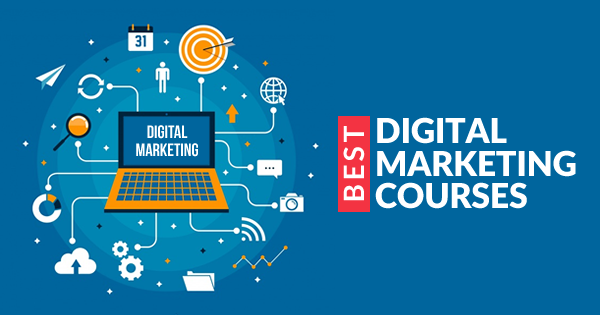
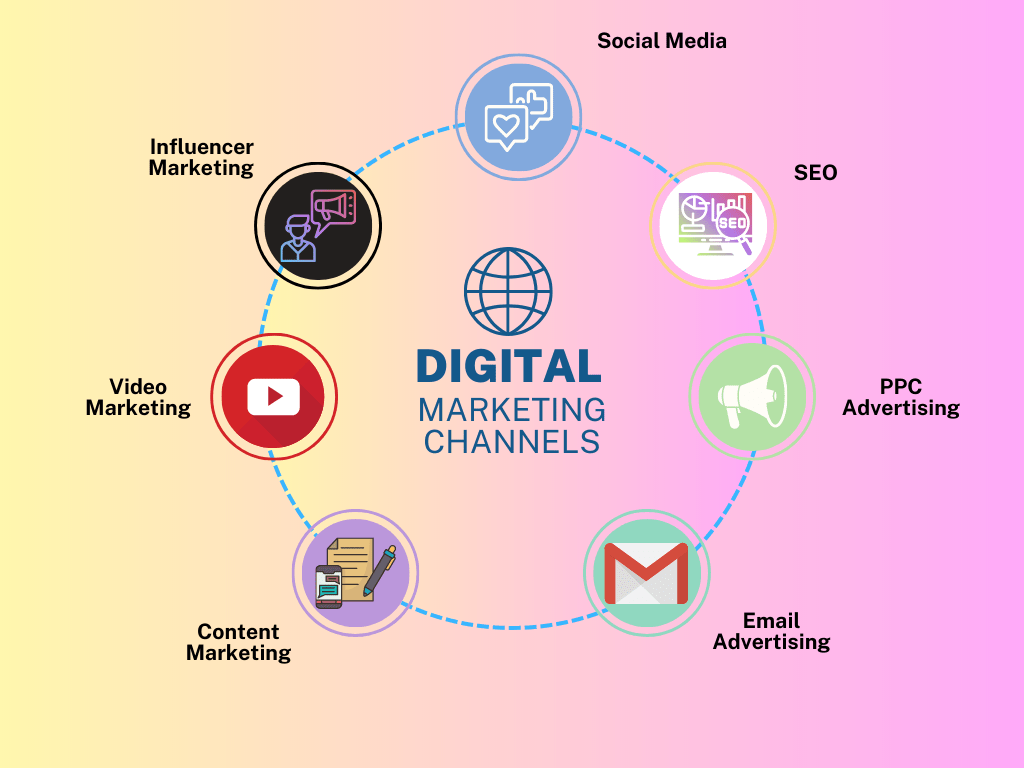
    With a solid grasp of these Digital Marketing Interview Questions and Answers, you’ll be ready to impress potential employers and take the next step in your digital marketing career. 

    Tags :
    Author : Shahul

    Consectetur sollicitudin cubilia facilisis lobortis lacus a ac phasellus. Mus pulvinar enim suspendisse pharetra id commodo platea nunc aliquet.

    Learner of DigiSkillz, Digital Marketing Institute in Kochi.