
Tag: Digital Marketing Career

  • Factors Affecting Digital Marketing Salaries

    Factors Affecting Digital Marketing Salaries

    Factors Affecting Digital Marketing Salaries

    In the ever-changing world of modern business, digital marketing salaries play crucial roles in  driving growth, visibility, and engagement for companies across industries. As traditional marketing methods make way for digital strategies, the demand for skilled digital marketers has significantly increased. This trend is not merely a reflection of shifting consumer behavior towards online platforms but also underscores the critical role of digital marketing salaries in achieving organizational objectives in the digital age.

    Recent studies highlight a strong increase in the demand for digital marketing professionals, with roles extending over from content strategists to SEO specialists and data analysts. The median digital marketing salaries for positions, ranging from entry-level to senior roles, reflect both the industry’s recognition of these professionals’ value and the competitive landscape they navigate.

    This blog explores the various factors that influence the field of digital marketing salaries. Specifically, it explores how experience levels, geographic locations, industry sectors, and professional certifications play pivotal roles in shaping compensation packages within the digital marketing sphere. Understanding these determinants is crucial not only for professionals seeking to optimize their earning potential but also for organizations aiming to attract and retain top talent in this dynamic field.

    digital marketing salaries

    1.Experience

    Experience in digital marketing encompasses a spectrum of skills and years dedicated to mastering various facets of digital marketing salaries online marketing. Entry-level positions typically require foundational skills in areas like social media management, content creation, and basic SEO tactics, with salaries reflecting this foundational knowledge.

    According to industry data, entry-level digital marketing salaries professionals with 0-2 years of experience often command salaries ranging from $45,000 to $60,000 annually, depending on the geographic location and specific industry demands.

    Moving into mid-level roles, professionals with 3-5 years of experience show proficiency in campaign management, data analysis, and strategic planning, leading to digital marketing salaries increase to approximately $65,000 to $90,000 per year.

    Senior digital marketing salary marketers, boasting 6+ years of experience, not only demonstrate mastery in advanced SEO, PPC, and CRM tools but also possess leadership qualities to oversee entire marketing strategies. Salaries for senior roles typically start from $95,000 and can exceed $120,000 annually, with additional bonuses and benefits often included based on performance metrics and company size.

    These digital marketing salary ranges illustrate how experience progressively enhances earning potential within the digital marketing field, aligning with increased responsibilities and strategic contributions over time. Understanding digital marketing salaries trends and factors influencing pay levels is crucial for navigating career growth in this dynamic industry.

    digital marketing salaries

    2. Location

    Location plays a crucial role in shaping salaries within the digital marketing industry, highlighting significant disparities between urban and rural areas as well as across developed and developing countries.

    In urban centers such as New York City or San Francisco, where the cost of living is higher and demand for digital marketing expertise is robust, salaries for digital marketing professionals can substantially exceed national averages. For instance, digital marketers in metropolitan areas may earn between $70,000 to $100,000 annually at the mid-level, reflecting the competitive landscape and high demand for specialized skills.

    Conversely, in rural settings or less economically developed regions, digital marketing salaries for comparable positions could range significantly lower, often starting around $45,000 to $60,000 annually, adjusted for the local cost of living and demand-supply dynamics. Factors influencing these regional digital marketing salary disparities include the availability of skilled talent, local business demands, and the overall economic climate.

    Understanding these geographic variations is essential for digital marketers when evaluating career opportunities and negotiating digital marketing salary compensation packages that align with both professional growth aspirations and regional economic realities.

    digital marketing salaries

    3. Industry

    The industry in which digital marketers are employed significantly impacts their salaries, with certain sectors offering higher compensation than others. Industries such as technology, finance, and healthcare are known for their robust digital marketing budgets and high demand for specialized expertise, resulting in higher salary ranges for digital marketing professionals. 

    For example, digital marketers in the tech industry often command salaries starting from $80,000 to over $100,000 annually, driven by the rapid pace of innovation and continuous digital transformation initiatives. In contrast, sectors like retail or non-profit organizations may offer lower salaries, typically ranging from $50,000 to $70,000 per year, reflecting comparatively smaller marketing budgets and different strategic priorities.

    Industry trends, such as the rise of e-commerce in retail or telemedicine in healthcare, profoundly impact digital marketing roles by emphasizing skills in data analytics, customer segmentation, and personalized marketing campaigns. These evolving demands not only influence job responsibilities but also contribute to salary adjustments as organizations prioritize digital initiatives to remain competitive within their respective sectors.

    Understanding these industry-specific dynamics allows digital marketers to strategically position themselves for career advancement and financial growth within sectors aligned with their skills and professional aspirations. This strategic positioning ensures that digital marketing professionals can leverage industry-specific trends to maximize their digital marketing salary potential.

    digital marketing salaries

    4. Certifications and Education

    Certifications and formal education play a pivotal role in enhancing digital marketers’ earning potential and competitiveness in the job market, particularly in terms of digital marketing salaries. Specific certifications, such as Google Ads and HubSpot certifications, are highly valued in the industry for demonstrating proficiency in key digital marketing tools and strategies. 

    For instance, professionals holding Google Ads certifications showcase their expertise in managing pay-per-click advertising campaigns effectively, which can lead to higher starting salaries and career advancement opportunities. Similarly, HubSpot certifications validate proficiency in inbound marketing methodologies, CRM software usage, and content strategy development, all of which are increasingly crucial in today’s digital landscape.

    Employers often view these certifications as indicators of specialized skills and commitment to ongoing professional development, which positively influences salary negotiations for digital marketers. By acquiring recognized certifications and staying updated with industry trends, digital marketers can differentiate themselves from competitors, expand their skill set, and maximize their earning potential in a competitive job market driven by digital innovation. This strategic approach not only enhances their proficiency in digital marketing but also positions them for higher digital marketing salaries ranges aligned with their expertise and credentials.

    digital marketing salaries

    5. Skills and Specializations

    Within the realm of digital marketing, certain specialized skills are particularly prized for their ability to command higher salaries and open doors to lucrative career opportunities. Skills such as search engine optimization (SEO), pay-per-click (PPC) advertising, and social media marketing are among the most sought-after in the industry, impacting digital marketing salary expectations.

    Professionals adept in SEO techniques, for example, can significantly enhance a company’s online visibility and organic traffic, translating into salaries ranging from $60,000 to $90,000 annually at mid-level positions. Similarly, PPC specialists proficient in managing ad campaigns across platforms like Google Ads and Facebook Ads often earn competitive salaries due to their ability to drive immediate, targeted traffic to websites. Social media marketing expertise, encompassing strategy development, content creation, and community management, also commands high salaries, typically ranging from $55,000 to $80,000 annually, reflecting the pivotal role of social platforms in modern marketing strategies.

    Staying updated with industry trends and technological advancements is crucial for digital marketers aiming to maintain their competitive edge and digital marketing salary potential. Trends such as the growing importance of video marketing, the rise of voice search optimization, and the integration of artificial intelligence in marketing automation continue to reshape the digital landscape.

    By acquiring niche specializations aligned with these evolving trends, such as video marketing production skills or AI-driven data analytics, professionals can position themselves as indispensable assets to employers seeking innovative solutions. This strategic approach not only enhances job security but also opens doors to higher-paying opportunities in sectors at the forefront of digital innovation, ensuring sustained growth and relevance in the dynamic field of digital marketing.

    digital marketing salaries

    6. Gender and Diversity

    Gender and diversity issues persistently influence digital marketing salaries, reflecting broader societal disparities within the workplace. Studies consistently reveal that women and minorities in digital marketing often face lower compensation compared to their male counterparts, even when possessing similar qualifications and experience levels. For instance, while men might earn an average of $70,000 annually in digital marketing roles, women might earn $10,000 less for the same position. Moreover, minorities, including ethnic and racial groups, often encounter additional barriers that contribute to wage gaps, perpetuating inequalities within the industry, including digital marketing salary discrepancies.

    To address these disparities, various initiatives and strategies are being implemented to promote pay equity in digital marketing. Companies are increasingly adopting transparent salary policies and conducting regular pay audits to identify and rectify any gender or diversity-related digital marketing salary discrepancies.

    Additionally, there is a growing emphasis on diversity and inclusion training programs to foster awareness and sensitivity among hiring managers and decision-makers. Organizations are also actively promoting mentorship and leadership opportunities for underrepresented groups to support career advancement and mitigate digital marketing salaries disparities over time.

    Furthermore, advocacy groups and professional associations within the digital marketing community are advocating for legislative changes that prioritize pay equity and provide recourse for victims of wage discrimination. By collectively addressing these challenges and promoting a culture of fairness and equality, the digital marketing industry can create a more inclusive and rewarding environment for all professionals, regardless of gender or minority status, thereby enhancing overall workforce diversity and prosperity in terms of digital marketing salary equality.

    digital marketing salaries

    In conclusion, several key factors significantly influence digital marketing salaries, making it essential for professionals in this field to grasp their implications for career planning and digital marketing salary negotiations. Experience stands out as a critical determinant, with entry-level positions starting around $45,000 annually and senior roles potentially exceeding $120,000, reflecting progressive skill development and strategic responsibilities over time.

    Location also plays a pivotal role, with urban centers typically offering higher digital marketing salaries due to increased demand and higher living costs compared to rural areas. Industries like technology and finance lead in salary offerings, often starting from $80,000 annually, whereas sectors like retail or non-profit may offer lower starting points around $50,000.

    Certifications, such as Google Ads and HubSpot, further enhance digital marketing earning potential by validating specialized skills and demonstrating commitment to professional growth. As digital marketing evolves with technological advancements and industry trends, staying updated is crucial for maintaining competitiveness and leveraging niche specializations that command higher digital marketing salaries.

    Looking ahead, the future outlook for digital marketing salaries appears promising amidst rapid industry growth and continued digital transformation across sectors. Professionals who continuously hone their skills, adapt to emerging trends, and strategically navigate these influencing factors will be well-positioned to capitalize on evolving opportunities in the dynamic field of digital marketing. 

    Understanding and leveraging these factors will not only empower individuals in their career trajectories but also contribute to shaping a more robust and equitable digital marketing industry landscape in the years to come, especially concerning digital marketing salaries trends.


    Tags :
    Author : Sana Stanly

    Consectetur sollicitudin cubilia facilisis lobortis lacus a ac phasellus. Mus pulvinar enim suspendisse pharetra id commodo platea nunc aliquet.

    Learner of DigiSkillz, Digital Marketing Institute in Kochi.

  • The Battle of Strategies: Digital Marketing vs Traditional Marketing

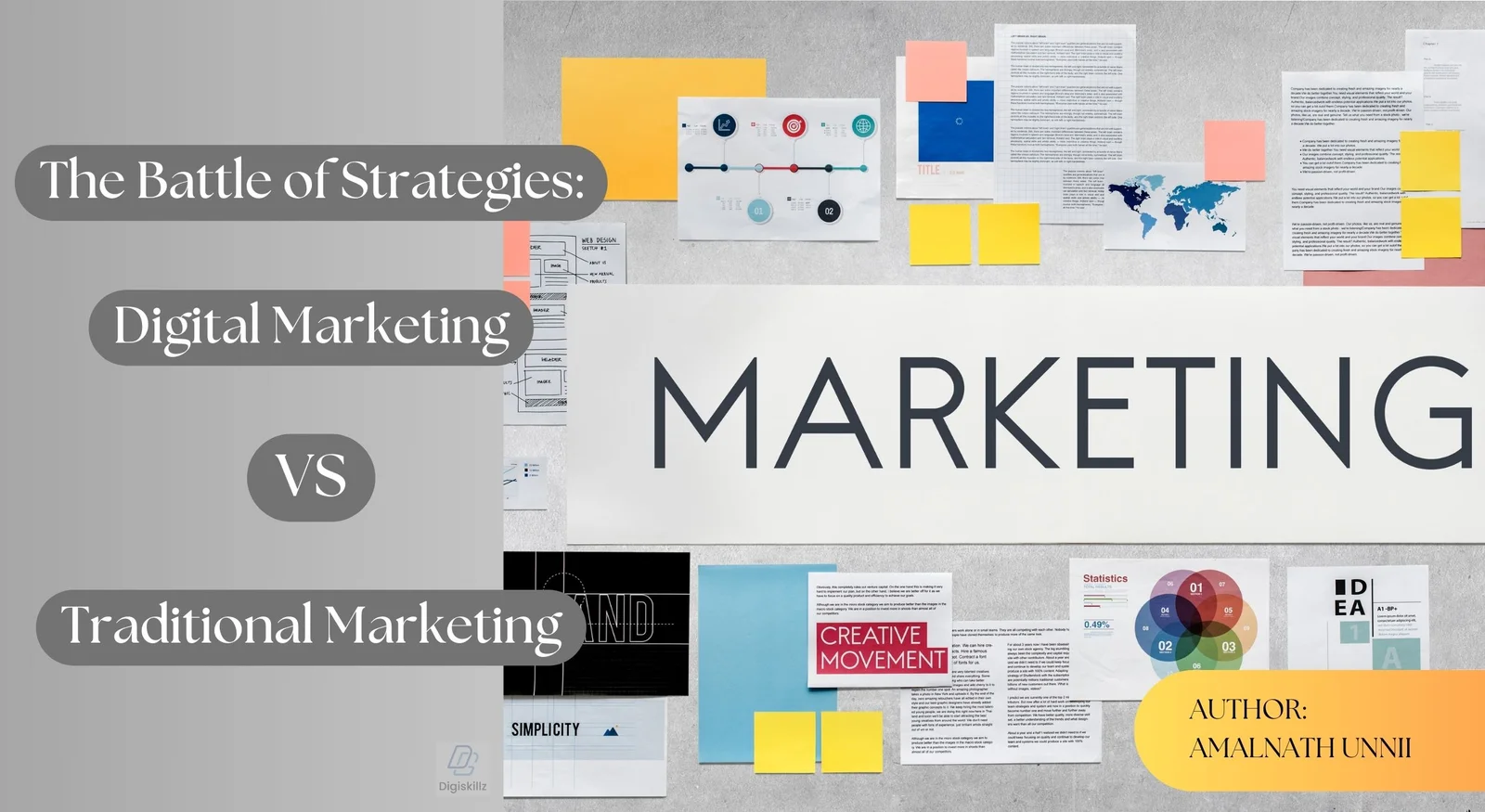
    The Battle of Strategies: Digital Marketing vs Traditional Marketing

    The Battle of Strategies: Digital Marketing vs Traditional Marketing

    In the rapidly evolving landscape of business, one of the most critical decisions that companies face is choosing the right marketing strategy. The debate between Digital Marketing and Traditional Marketing has become increasingly relevant as businesses strive to maximize their reach, engagement, and return on investment (ROI). Understanding the nuances of both approaches is essential for making informed decisions that align with your business goals. This blog will delve into the key differences, advantages, and considerations when it comes to digital Marketing vs traditional Marketing.

    The Foundation of Traditional Marketing

    The Battle of Strategies

    This approach includes various methods such as television and radio commercials, print advertisements in newspapers and magazines, billboards, direct mail, and telemarketing. These techniques have proven effective in reaching a broad audience, particularly in a local context.

    In the battle of digital marketing vs traditional marketing, traditional methods offer the advantage of tangibility. A physical billboard or a printed brochure provides a sensory experience that digital formats can’t replicate. Moreover, traditional marketing often holds a sense of credibility and trustworthiness, especially among older demographics who are more familiar with these channels.

    However, traditional marketing has its limitations. One of the most significant challenges is the lack of precise targeting. A TV ad, for example, is broadcast to a wide audience, but it’s difficult to ensure that it reaches the specific demographic that might be interested in your product or service. Additionally, measuring the effectiveness of traditional marketing campaigns can be challenging, as there are fewer tools available to track engagement and conversions.

    The Rise of Digital Marketing

    The Battle of Strategies

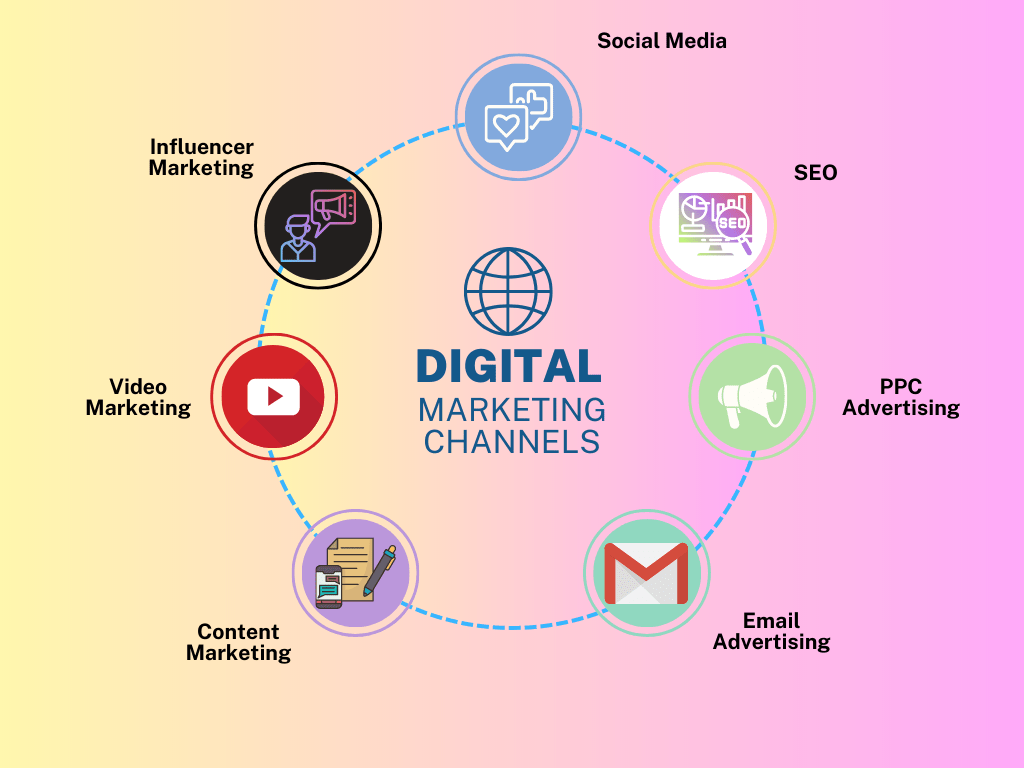
    On the other side of the Digital Marketing vs Traditional Marketing, debate is digital marketing—a modern approach that leverages the internet and digital platforms to reach and engage with customers. Digital marketing includes strategies such as search engine optimization (SEO), social media marketing, content marketing, email marketing, and pay-per-click (PPC) advertising.

    The strength of digital marketing lies in its precision and measurability. In the context of Digital Marketing vs Traditional Marketing, digital marketing allows businesses to target specific audiences based on factors like age, location, interests, and online behavior. For instance, a social media ad can be designed to reach a niche group of users who have shown interest in similar products or services.

    Furthermore, digital marketing offers unparalleled data and analytics. Every click, view, and interaction can be tracked in real-time, providing businesses with valuable insights into the performance of their campaigns.

    Despite its many advantages, digital marketing also has its challenges. The digital space is crowded and highly competitive, making it essential for businesses to stand out with compelling content and creative strategies. Additionally, digital marketing requires a continuous investment in time and resources to keep up with changing algorithms, trends, and technologies.

    Comparing Reach: Digital Marketing vs Traditional Marketing

    The Battle of Strategies

    When evaluating Digital Marketing vs Traditional Marketing, reach is a crucial factor to consider. Traditional marketing methods, such as TV ads or billboards, can reach a vast audience quickly. A national TV commercial, for example, has the potential to be seen by millions of people, making it an effective tool for building brand awareness.

    However, in the Digital Marketing vs Traditional Marketing debate, digital marketing offers a more targeted approach. Instead of broadcasting a message to a general audience, digital marketing allows businesses to tailor their campaigns to specific groups. For example, an online retailer can use digital marketing to target ads to users who have previously visited their website or searched for similar products. This targeted reach increases the likelihood of conversion and ensures that marketing efforts are focused on the most relevant audiences.

    Cost and ROI: Digital Marketing vs Traditional Marketing

    The Battle of Strategies

    Cost is another important consideration in the Digital Marketing vs Traditional Marketing discussion. Traditional marketing methods can be expensive, particularly for small businesses. The cost of producing a TV commercial, printing brochures, or placing a full-page ad in a magazine can add up quickly. Moreover, the ROI for traditional marketing is often harder to measure, making it challenging to justify the investment.

    In contrast, digital marketing is generally more cost-effective, especially for businesses with limited budgets. In the digital marketing vs traditional marketing comparison, digital marketing allows for more control over spending. For example, businesses can set daily budgets for PPC campaigns, ensuring that they don’t exceed their marketing budget. Additionally, the ability to track ROI in real time means that businesses can quickly adjust their strategies to maximize results.

    Flexibility and Adaptability: Digital Marketing vs Traditional Marketing

    The Battle of Strategies

    Flexibility is another area where digital marketing has a significant advantage in the Digital Marketing vs Traditional Marketing battle. Traditional marketing campaigns often require a long lead time and are difficult to change once they are in motion. For example, if a print ad is found to be ineffective, there is little that can be done to alter it until the next issue is printed.

    On the other hand, digital marketing campaigns can be adjusted on the fly. If a social media ad isn’t performing as expected, businesses can tweak the content, change the targeting, or shift the budget to another campaign. This adaptability is a crucial advantage in today’s fast-paced market, where consumer preferences and trends can change rapidly.

    Measuring Success: Digital Marketing vs Traditional Marketing

    The Battle of Strategies

    The ability to measure success is a critical factor in the Digital Marketing vs Traditional Marketing discussion. Traditional marketing relies on indirect metrics such as increased foot traffic or sales, which can make it difficult to attribute results to specific campaigns. This lack of transparency can be a drawback for businesses looking to fine-tune their strategies.

    In contrast, digital marketing excels in providing detailed analytics. We can track them using many key metrics. The Digital Marketing vs Traditional Marketing debate often highlights that digital marketing platforms offer comprehensive data on user interactions, from website visits to social media engagement and email open rates. This data-driven approach allows businesses to make informed decisions, continually improve their strategies, and ultimately achieve better results.

    The Verdict: Digital Marketing vs Traditional Marketing

    The Battle of Strategies

    So, which strategy wins in the Digital Marketing vs Traditional Marketing battle? The answer depends on your business’s goals, target audience, and resources. For some businesses, traditional marketing methods may still hold significant value, particularly for reaching a local or older demographic. However, for those looking to engage a tech-savvy, global audience with precision and flexibility, digital marketing is likely the better choice.

    In many cases, the most effective strategy may be a combination of both. By understanding the strengths and weaknesses of Digital Marketing vs Traditional Marketing, businesses can create a balanced approach that leverages the best of both worlds. Whether you choose to invest in traditional methods, digital strategies, or a mix of both, the key is to remain adaptable and focused on what drives the best results for your business.

    Conclusion

    The battle between Digital Marketing and Traditional Marketing is ongoing, with each approach offering unique benefits and challenges. Ultimately, the choice between these strategies depends on your business’s specific needs and objectives. By carefully considering the differences and advantages of Digital Marketing vs Traditional Marketing, you can make informed decisions that will help your business thrive in a competitive marketplace.

    Tags :
    Author : Amalnath Unni

    Consectetur sollicitudin cubilia facilisis lobortis lacus a ac phasellus. Mus pulvinar enim suspendisse pharetra id commodo platea nunc aliquet.

    Learner of DigiSkillz, Digital Marketing Institute in Kochi.

  • Career Benefits of Completing a Digital Marketing Course

    Career Benefits of Completing a Digital Marketing Course

    Career Benefits of Completing a Digital Marketing Course

    Completing a digital marketing course can offer numerous career benefits, making it a valuable investment for professionals looking to enhance their skill set and advance in their careers.

    Completing a digital marketing course benefits

    Digital Marketing Course Benefits

    1. Enhanced Digital Marketing Skills

    • Comprehensive Knowledge: Gain an in-depth understanding of digital marketing strategies, tools, and techniques, including SEO, SEM, content marketing, social media marketing, email marketing, and more.               
    • Practical Experience: Hands-on projects and real-world simulations provide practical experience in executing digital campaigns and analyzing results.
    • Stay Updated: Keep abreast of the latest trends, technologies, and best practices in digital marketing, ensuring your skills remain relevant and competitive.

    Digital Marketing Course Benefits

    2. Expanded Career Opportunities

    • Job Market Demand: Digital marketing skills are in high demand across industries as businesses increasingly rely on digital channels for customer acquisition and engagement.
    • Diverse Roles: Open doors to a wide range of career paths such as digital marketing manager, social media strategist, SEO specialist, content marketer, PPC analyst, and more.
    • Freelance Opportunities: Ability to work independently or as a freelancer, offering digital marketing services to businesses looking to enhance their online presence.

    3. Increased Earning Potential

    • Salary Growth: Digital marketing professionals often command higher salaries compared to their non-specialized counterparts due to their specialized skills and ability to drive measurable results.
    • Negotiation Power: Certification from reputable courses can strengthen your negotiating position during job interviews and salary discussions.

    4. Career Advancement and Professional Development

    • Promotion Opportunities: Stand out as a candidate for promotions or internal transfers by demonstrating expertise in digital marketing strategies and contributing to the company’s growth.
    • Continued Learning: Digital marketing is dynamic; continuous learning through courses and certifications ensures you stay ahead in the field and adapt to evolving trends.

    5. Networking and Industry Recognition

    • Build a Network: Connect with industry professionals, influencers, and peers through course forums, workshops, and networking events, fostering opportunities for collaboration and career growth.
    • Credibility: Certification from renowned digital marketing courses enhances your credibility and validates your expertise to employers, clients, and colleagues.

    6. Entrepreneurial Opportunities

    • Start Your Own Business: Equip yourself with the skills needed to launch and manage digital marketing campaigns for your own business or startup venture.
    • Client Acquisition: Attract potential clients by showcasing your digital marketing proficiency and ability to deliver measurable results.

    In addition to these, a digital marketing course benefits can also help you:

    • Gain valuable business insights: Digital marketing teaches you how to understand your target audience and what motivates them. This knowledge can be applied to any business situation.
    • Work remotely: Many digital marketing jobs offer the opportunity to work remotely, which can give you more flexibility and work-life balance

    Key features to look for in a top-notch digital marketing course:

    Choosing the best digital marketing course benefits can be a daunting task with so many options available. To help you make an informed decision, here are key features to look for in a top-notch digital marketing course:

    Digital Marketing Course Benefits

    1. Comprehensive Curriculum

    A great digital marketing course benefits should cover all essential aspects of the field. Look for courses that include modules on:

    • SEO (Search Engine Optimization)
    • SEM (Search Engine Marketing)
    • Content Marketing
    • Social Media Marketing
    • Email Marketing
    • Analytics and Data Analysis
    • PPC (Pay-Per-Click) Advertising
    • Mobile Marketing

    2. Experienced and Qualified Instructors

    The quality of instructors can significantly impact your learning experience. Ensure the course is taught by experienced professionals who have real-world expertise and a proven track record in digital marketing.

    3. Up-to-Date Content

    Digital marketing is a rapidly evolving field. The best courses are regularly updated to reflect the latest trends, tools, and best practices. Look for courses that mention their content update frequency.

    4. Hands-On Projects and Assignments

    Practical experience is crucial in digital marketing. Courses that include hands-on projects, case studies, and real-world assignments help you apply what you’ve learned and build a portfolio of work.

    5. Certification

    A recognized certification can add value to your resume and demonstrate your expertise to potential employers. Check if the course offers certification upon completion and if the certification is recognized in the industry.

    6. Student Reviews and Testimonials

    Reviews and testimonials from previous students can provide insight into the course’s effectiveness and quality. Look for courses with positive feedback and high ratings.

    7. Interactive Elements

    Engaging courses often include interactive elements such as quizzes, discussion forums, and live sessions. These features enhance learning and provide opportunities to interact with instructors and peers.

    8. Support and Resources

    Good courses offer robust support and additional resources, such as:

    • Access to a community of learners
    • Career support and guidance
    • Downloadable materials and resources
    • Mentorship opportunities

    9. Flexible Learning Options

    Flexibility is important, especially if you have other commitments. Look for courses that offer:

    • Self-paced learning
    • Options for online or offline learning
    • Accessible from multiple devices

    10. Cost and Value

    While cost is a consideration, focus on the value the course provides. Compare the price with the quality of content, instructor expertise, and additional features. Sometimes, free courses offer excellent value, but paid courses often provide more depth and resources.

    Digital Marketing Course Benefits

    Completing a digital marketing course benefits can be a game-changer for your career, providing you with a powerful set of skills and opportunities. Whether you’re looking to advance in your current role, increase your earning potential, or embark on a new career path, the benefits of digital marketing education are undeniable. Invest in your future today and unlock the potential for a successful and dynamic career in digital marketing.

    Tags :
    Author : Shafeela

    Consectetur sollicitudin cubilia facilisis lobortis lacus a ac phasellus. Mus pulvinar enim suspendisse pharetra id commodo platea nunc aliquet.

    Learner of DigiSkillz, Digital Marketing Institute in Kochi.

  • Advantages of Being a Certified Digital Marketer

    Advantages of Being a Certified Digital Marketer

    In the rapidly evolving landscape of modern business, the role of digital marketing has become pivotal. As companies strive to establish a strong online presence and engage a global audience, the demand for skilled professionals continues to rise. One of the most effective ways to demonstrate expertise and stand out in this competitive field is understanding the Advantages of Being a Certified Digital Marketer and earning a recognized certification.

    Enhanced Digital Marketing Skills

    Digital marketing encompasses a wide range of strategies that drive online success. One of the major Advantages of Being a Certified Digital Marketer is access to structured learning that covers SEO, content marketing, social media management, email marketing, PPC advertising, and analytics. Certification enhances your technical proficiency and equips you to design data-driven campaigns that deliver measurable business results.

    Better Career Opportunities

    Among the key Advantages of Being a Certified Digital Marketer is the ability to unlock diverse career opportunities. Certified professionals are highly valued by employers seeking individuals who can navigate the complexities of online marketing. With certification, you can pursue roles such as digital marketing executive, SEO specialist, social media strategist, content marketer, or e-commerce manager with confidence.

    Industry Recognition and Credibility

    One of the strongest Advantages of Being a Certified Digital Marketer is industry recognition. Certification builds trust and credibility with employers, clients, and peers. It signals your commitment to professional growth and mastery of digital marketing principles, helping you secure projects, partnerships, and long-term career growth.

    Keeping Abreast of the Latest Trends

    The digital marketing industry evolves rapidly with constant changes in algorithms, tools, and consumer behavior. A significant Advantages of Being a Certified Digital Marketer is staying updated with the latest trends and technologies. Continuous learning ensures your strategies remain relevant, competitive, and effective in a fast-changing digital environment.

    Increased Earning Potential

    One of the most appealing Advantages of Being a Certified Digital Marketer is increased earning potential. Certified professionals often command higher salaries, consulting fees, and project rates. As businesses recognize the revenue-driving power of digital marketing, they are more willing to invest in professionals who bring proven expertise and certification-backed skills.

    How to Obtain Digital Marketing Certification?

    Select certification programs offered by recognized institutions or industry leaders. A strong curriculum should cover both foundational and advanced digital marketing concepts.

    Choose a Reputable Certification Program

    Research is key. Identify well-established certification programs offered by respected institutions or industry associations. Look for programs that offer a comprehensive curriculum, covering both foundational and advanced concepts of digital marketing. qualification of digital marketing

    Learn and Practice Core Digital Marketing Concepts

    Immerse yourself in the core concepts of digital marketing, such as SEO, social media marketing, content creation, email marketing, and data analytics. Understanding the underlying principles is crucial before diving into practical applications.

    Stay Updated with Evolving Strategies

    Subscribe to industry newsletters, follow influential digital marketing blogs, and attend webinars and conferences. The digital marketing landscape is ever-evolving, and staying informed about the latest trends and best practices will keep you at the forefront of the industry. careers in digital marketing

    Hands-On Experience and Real-world Projects

    Apply theoretical knowledge to practical scenarios. Engage in hands-on projects, create mock campaigns, and analyze real-world data. Practical experience not only reinforces your learning but also prepares you for the challenges you’ll encounter in your career.

    Prepare and Clear Certification Exams

    Certification exams assess your understanding of the material and your ability to apply it. Review course materials thoroughly, take practice exams, and focus on areas where you may need additional study. Approach the exams with confidence and a clear understanding of the concepts.

    Conclusion for Advantages of Being a Certified Digital Marketer

    In conclusion, the Advantages of Being a Certified Digital Marketer extend far beyond certification itself. From enhanced skills and career opportunities to higher income and professional recognition, certification is a powerful investment in your future. By committing to continuous learning and skill development, you position yourself for long-term success in the ever-growing digital marketing industry.

    Author-Swetha
    Learner of DigiSkillz, Digital Marketing Institute in Kochi.


    Tags :
    Author : Swetha

    Consectetur sollicitudin cubilia facilisis lobortis lacus a ac phasellus. Mus pulvinar enim suspendisse pharetra id commodo platea nunc aliquet.

    Learner of DigiSkillz, Digital Marketing Institute in Kochi.