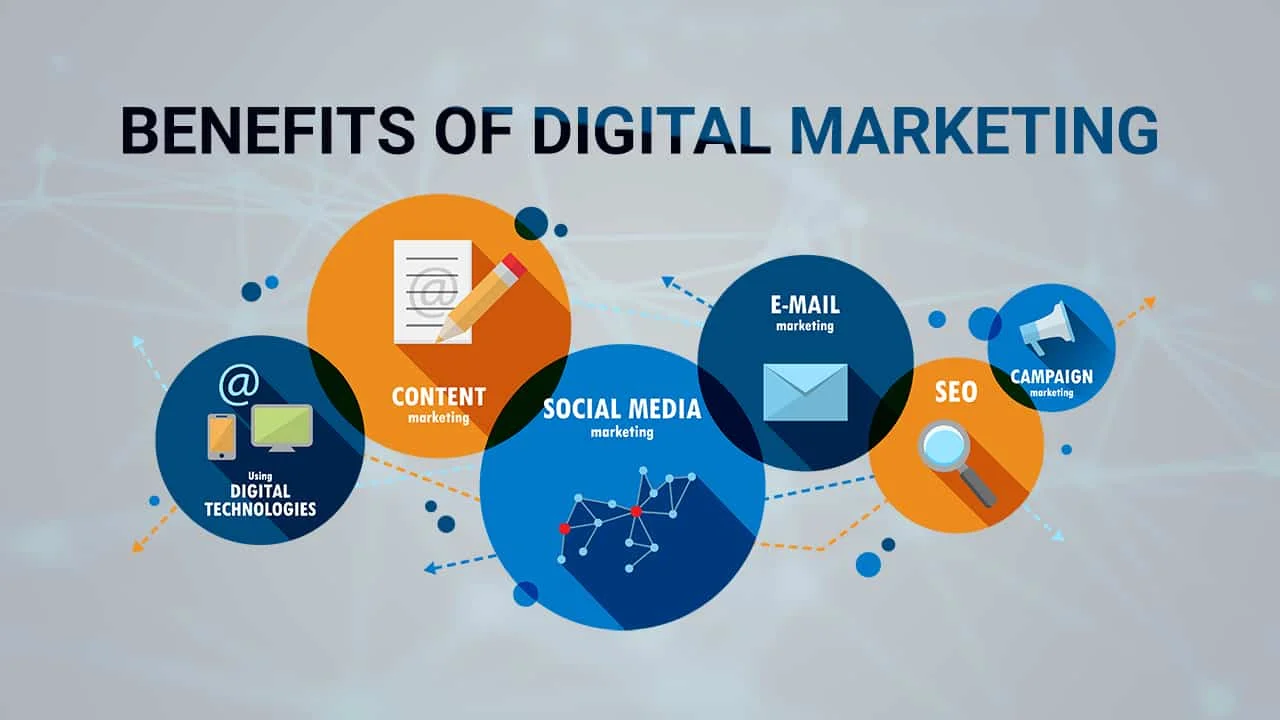
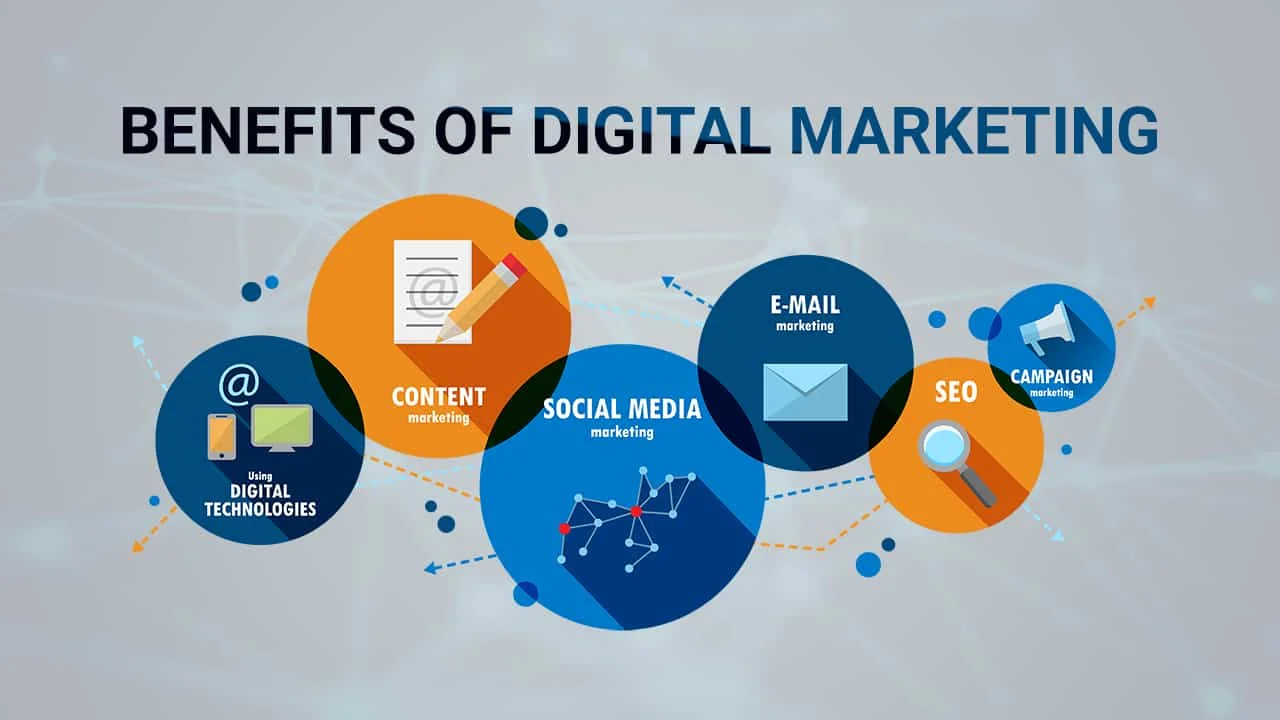
Today’s fast-paced, technology-driven world makes digital marketing a vital tool for businesses to reach their target audience. No matter whether you’re an aspiring marketer, a business owner, or someone looking to enhance their skills, taking a digital marketing course can offer numerous advantages. In this blog, we will explore the top 10 benefits of enrolling in a digital marketing course and how it can boost your career and business prospects.
Stay Relevant in a Digital World:

benefits of talking a digital marketing course The digital landscape is constantly evolving, and traditional marketing techniques alone may not suffice in today’s competitive market. A digital marketing course equips you with the latest industry trends, tools, and strategies, helping you stay relevant in the dynamic online ecosystem.
Diverse Career Opportunities:
Digital marketing skills are highly sought after across a wide range of industries. Upon completing a digital marketing course, you can explore diverse career opportunities such as social media manager, content strategist, SEO specialist, email marketing manager, and more.
Improve Your Marketability:
Employers value individuals who possess up-to-date digital marketing knowledge and skills. Adding a digital marketing certification to your resume enhances your marketability and can give you an edge over other candidates in the job market.
in today’s fast-paced and technology-driven world, staying relevant is a constant challenge, especially in the digital realm.
To stay relevant in this digital world, individuals and businesses must embrace the power of digital marketing and adapt their strategies accordingly. One effective way to achieve this is by enrolling in a comprehensive digital marketing course. These courses offer valuable insights into the latest industry trends, tools, and techniques, ensuring that you stay at the forefront of digital marketing practices.
The ever-evolving digital landscape demands continuous learning and upskilling. By enrolling in a digital marketing course, you gain access to expert-led training and hands-on experiences, enabling you to develop relevant and in-demand skills. Whether you are a marketing professional looking to enhance your expertise or a business owner seeking to expand your online presence, a digital marketing course can be a game-changer.
Furthermore, digital marketing courses help you explore diverse career opportunities in various industries. The skills acquired during the course, such as social media management, content creation, search engine optimization (SEO), and data analysis, are highly sought-after by employers. These courses can significantly boost your marketability and open doors to exciting career prospects.
For businesses, embracing digital marketing through effective strategies can lead to enhanced online visibility, increased customer engagement, and improved sales. Learning how to leverage different digital channels enables businesses to connect with their target audience more effectively and build stronger brand loyalty.
Moreover, digital marketing courses emphasize the importance of data-driven decision-making. With the ability to track and analyze real-time data, businesses can optimize their marketing efforts and identify areas of improvement. This data-driven approach leads to more successful and cost-effective marketing campaigns. learn more about benefit of digital marketing course
Enhance Your Business’s Online Presence:

For entrepreneurs and business owners, benefits of taking a digital marketing course can be a game-changer. Learning how to leverage different digital channels enables you to enhance your online presence, attract more customers, and increase revenue.
Cost-Effectiveness: Compared to traditional advertising methods, digital marketing is often more cost-effective. A well-planned digital marketing campaign can yield excellent results, even on a limited budget. Understanding these cost-effective strategies through a course can benefit businesses of all sizes.
In the modern business landscape, establishing a strong online presence has become essential for success. With the majority of consumers turning to the internet to research products, services, and brands, having a robust online presence can significantly impact your business’s growth and visibility. Enhancing your business’s online presence goes beyond merely having a website; it involves strategic planning and execution across various digital channels. Here are some key aspects to consider when working towards bolstering your business’s online presence:
Optimized Website:
Your website serves as the virtual storefront for your business. Ensure it is user-friendly, visually appealing, and optimized for mobile devices. Implement search engine optimization (SEO) techniques to improve its visibility in search engine results and drive organic traffic.
Content Strategy:
Creating high-quality and valuable content is essential for engaging your target audience. Develop a content strategy that includes blog posts, articles, videos, infographics, and other formats that resonate with your audience and address their needs and interests.
Social Media Presence:
Leverage the power of social media platforms to connect with your audience, build brand awareness, and foster customer engagement. Choose the platforms where your target audience is most active, and consistently share relevant content to maintain an active presence.
Email Marketing: Building an email list allows you to establish direct communication with your customers. Use email marketing campaigns to share updates, promotions, and personalized content that adds value to your subscribers.
Search Engine Marketing (SEM):
Complement your SEO efforts with SEM, which involves paid advertising on search engines like Google. This can help drive targeted traffic to your website and improve visibility, especially during product launches or seasonal promotions. learn more about seo
Influencer Marketing:
Collaborate with influencers or industry experts who align with your brand to reach a broader audience. Influencers can help endorse your products or services and boost credibility.
Webinars and Virtual Events:
Host webinars or virtual events on topics relevant to your industry to showcase your expertise and engage with your audience in real-time.
Customer Support:
Provide excellent customer support through various channels, including social media, live chat, and email.
Monitor Analytics:
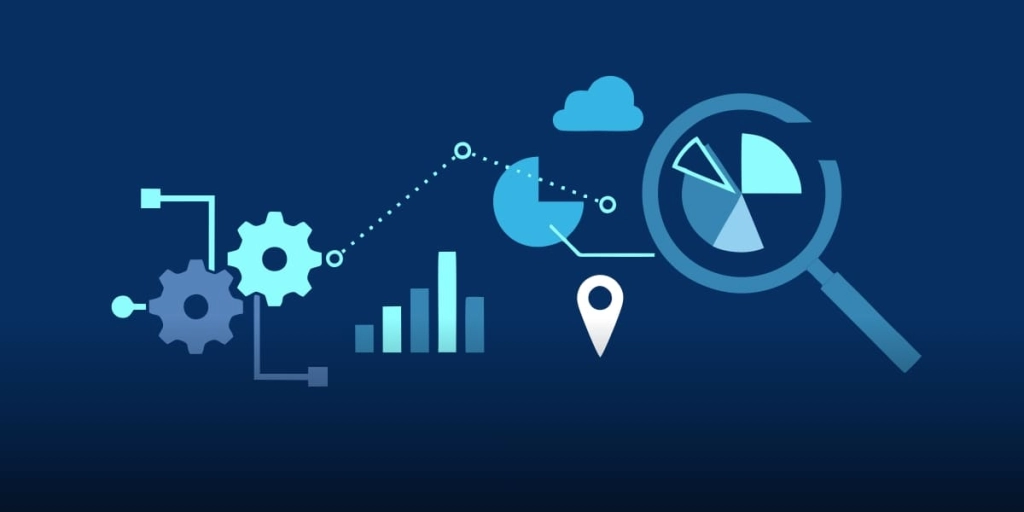 Regularly monitor website analytics, social media insights, and other relevant data to assess the performance of your online efforts. Use this data to refine your strategies and focus on what works best for your business.
Track and Analyze Results:
Digital marketing offers the advantage of real-time data analysis. With a digital marketing course, you will learn how to track and analyze various metrics, enabling you to make data-driven decisions and optimize your marketing efforts for better results.
Engage with Your Target Audience:
A successful marketing campaign involves engaging with your target audience effectively. Digital marketing courses teach you how to identify and understand your audience better, allowing you to create personalized content and experiences that resonate with them.
Tracking and analyzing results is a crucial aspect of any successful digital marketing campaign. In the fast-paced and data-driven world of digital marketing, having access to real-time data empowers businesses to make informed decisions, optimize their strategies, and drive better outcomes. Here’s a breakdown of the key steps involved in tracking and analyzing results in digital marketing:
Defining Key Performance Indicators (KPIs):
Before launching any digital marketing campaign, it’s essential to establish clear and measurable KPIs. These KPIs should align with your overall marketing goals and help you gauge the success of your efforts. Common KPIs include website traffic, conversion rates, click-through rates (CTR), lead generation, and return on investment (ROI).
Implementing Analytics Tools:
To track and measure the performance of your digital marketing efforts, you need to implement robust analytics tools. Google Analytics is a popular choice for tracking website traffic, user behavior, and conversions. Social media platforms also offer built-in analytics for tracking engagement metrics on posts and advertisements.
Setting Up Conversion Tracking:
Conversion tracking is crucial for understanding which marketing channels and campaigns are driving desired actions on your website, such as purchases, form submissions, or sign-ups. Implement conversion tracking codes correctly to attribute conversions accurately.
Monitoring Website Traffic:
 Regularly monitor website traffic to gain insights into user behavior. Analyze the sources of traffic (organic, direct, social, paid), popular landing pages, and bounce rates to understand how visitors interact with your website.
Analyzing Social Media Engagement:
Social media platforms provide valuable data on how users engage with your content. Track metrics such as likes, comments, shares, and click-throughs to measure the effectiveness of your social media campaigns.
Email Marketing Metrics:
For email marketing campaigns, track metrics like open rates, click-through rates, and unsubscribe rates. This data will help you optimize email content and segmentation to improve engagement.
A/B Testing: Experiment with A/B testing to compare the performance of different elements in your marketing campaigns, such as ad creatives, subject lines, or landing page layouts. This iterative process allows you to identify what resonates best with your audience.
Attribution Models:
Use attribution models to understand the contribution of each marketing channel to conversions. Different models, such as first-click, last-click, or multi-touch attribution, offer various insights into the customer journey.
Data Analysis and Reporting:
Regularly analyze the collected data to identify trends, patterns, and areas for improvement. Create comprehensive reports that highlight the performance of your campaigns and use these insights to make data-driven decisions.
Continuous Optimization:
Use the data and insights gained from tracking and analysis to optimize your digital marketing strategies continually. Implement changes, refine your approach, and adapt to the evolving needs of your audience.
Adaptability and Flexibility:

The digital marketing landscape is versatile and ever-changing. A digital marketing course equips you with adaptable skills that can be applied to different platforms and industries. This versatility ensures you can thrive in a rapidly evolving digital environment.
In the dynamic world of digital marketing, adaptability and flexibility are two qualities that can make a significant difference in achieving success. The digital landscape is constantly evolving, with new technologies, trends, and consumer behaviors emerging regularly. Businesses and marketers must be quick to adapt to these changes and remain flexible in their strategies to stay relevant and competitive. Here’s why adaptability and flexibility are crucial in digital marketing:
Changing Consumer Behavior:
Consumer behavior in the digital space can shift rapidly due to various factors such as technological advancements, societal changes, or global events. Being adaptable allows marketers to understand and respond to these shifts effectively.
Emergence of New Platforms and Technologies:
New digital platforms and technologies are continually entering the market. An adaptable approach allows marketers to explore and utilize these platforms to reach their target audience more effectively.
Algorithm Updates and Policy Changes:
Major digital platforms often update their algorithms and policies, impacting how content is distributed and displayed. Flexibility helps marketers adjust their strategies to align with these changes and maintain visibility.
Catering to Diverse Audiences:
Digital marketing campaigns may target diverse audience segments. Adaptability allows marketers to tailor their messaging and content to resonate with specific groups, increasing engagement and conversions.
Seasonal and Trending Opportunities:
Trends and seasonal events can provide valuable marketing opportunities. Flexibility enables marketers to capitalize on these moments and create timely and relevant campaigns. learn more
Performance Optimization:
Digital marketing campaigns require ongoing optimization. Being adaptable allows marketers to analyze performance data and make necessary adjustments to improve results.
Crisis Management and Response:
During challenging times or crises, adaptability is crucial for businesses to pivot their strategies and messaging sensitively.
Experimentation and Innovation:

Flexibility fosters a culture of experimentation and innovation. Marketers can try new approaches, learn from successes and failures, and refine their strategies accordingly.
Customer-Centric Approach:
An adaptable and flexible mindset puts the customer at the center. Understanding and responding to customer needs and preferences lead to more effective and customer-centric campaigns
Build Stronger Brands:
A well-executed digital marketing strategy can help build a stronger brand presence and improve brand reputation. By learning the best practices in branding and online communication, you can establish your brand as an authority in the industry.
Foster Creativity and Innovation:
Digital marketing is a creative field that encourages innovative thinking. Through a benefits of talking a digital marketing course, you can nurture your creativity and discover new ways to engage your audience, fostering a culture of innovation within your marketing efforts.
Building a stronger brand is a fundamental objective for businesses seeking to create a lasting and meaningful impact on their target audience. A strong brand not only distinguishes a business from its competitors but also fosters trust, loyalty, and emotional connections with customers. Here are some key strategies to build a stronger brand:
Understand what sets your brand apart and craft a compelling brand story that resonates with your target audience.
Consistent Branding: Consistency is vital for building a strong brand. Ensure that your brand elements, such as logo, color palette, typography, and tone of voice, remain consistent across all marketing channels and touchpoints..
Emphasize Brand Experience: Focus on delivering a consistent and positive brand experience at every customer touchpoint, whether it’s through your website, social media, customer service, or physical stores. Positive experiences lead to brand loyalty and advocacy.
Engage on Social Media:
Utilize social media platforms to engage with your audience directly. Respond to comments, messages, and feedback promptly, and foster a sense of community around your brand.
Incorporate User-Generated Content: Encourage customers to share their experiences with your brand through user-generated content (UGC). UGC adds authenticity to your brand and builds trust among potential customers. how to increase social media followers
Partner with Influencers:
Monitor and Adapt:
Continuously monitor customer feedback, market trends, and competitor activities. Use this data to adapt your branding strategies and stay relevant in a constantly changing marketplace.
Build Brand Advocates:
Satisfied customers can become powerful brand advocates. Encourage customers to share their positive experiences and reviews, and reward loyalty to strengthen brand advocacy.
Storytelling through Content:
Utilize content marketing to tell your brand’s story effectively. Engaging and authentic storytelling can create emotional connections with your audience.
Conclusion:
Investing in a benefits of talking a digital marketing course offers a wide array of benefits, regardless of your career stage or business venture. From staying updated with the latest trends to improving marketability and fostering creativity, the advantages of such a course are numerous. So, take the leap, embark on a digital marketing journey, and unlock new possibilities for personal and professional growth.